
Ayça Bingöl
Saliha

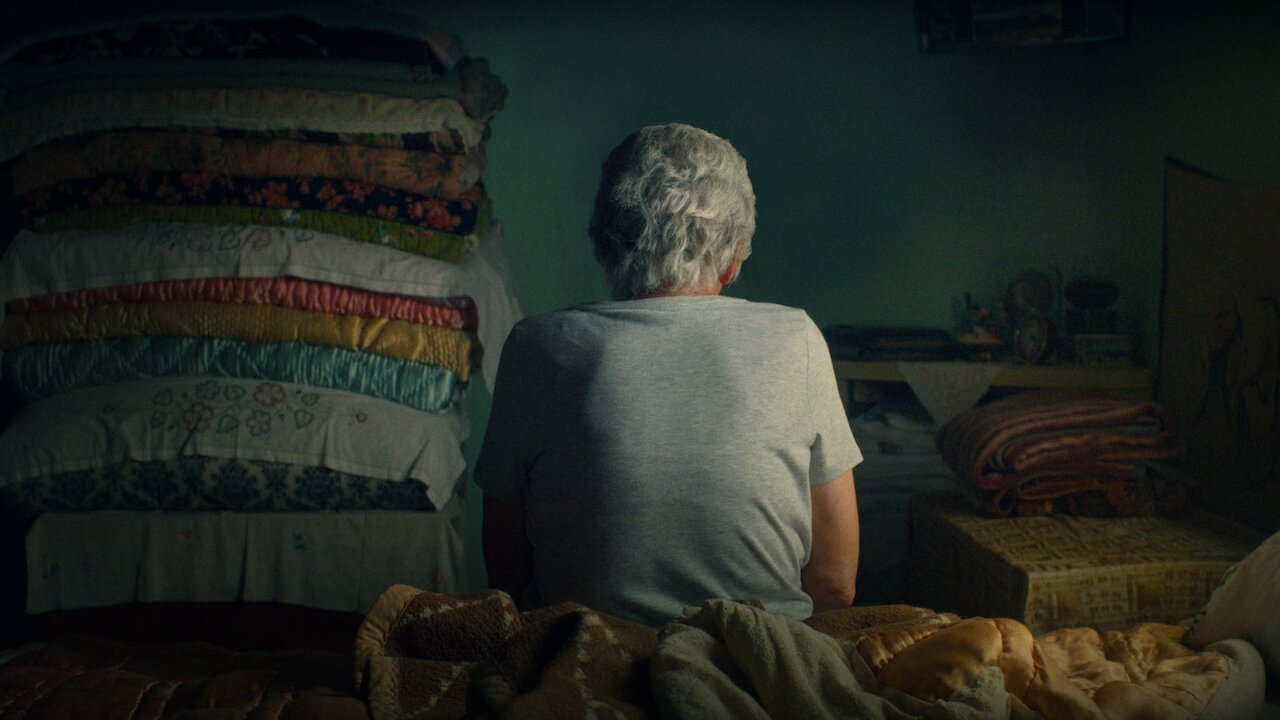
A family migrates to the city after a tragic loss. When they reunite in their hometown 30 years later, buried emotions and painful secrets resurface.
I keep thinking about the way Cici lingers in the corners of the frame. Not the people—they’re always moving, always talking—but the things they leave behind. A half-empty glass of tea on a windowsill.
A child’s abandoned shoe in the hallway. The way the camera holds on these objects just a beat too long, as if waiting for them to confess something the characters won’t. That’s the first thing that struck me about Berkun Oya’s film: it understands that grief isn’t just what you carry, but what you can’t put down.
The story is deceptively simple. A family migrates to the city after a tragedy, and thirty years later, they return to their hometown for a reunion. The synopsis makes it sound like a straightforward drama of buried secrets resurfacing, but Cici is far more interested in the weight of silence than the noise of revelation.
The past isn’t something that’s dug up here—it’s something that seeps through the cracks, staining the present whether the characters acknowledge it or not.

Oya has always had a knack for turning domestic spaces into pressure cookers. His previous work, like The Wild Pear Tree, thrives on the tension between what’s said and what’s felt, and Cici is no different. But where that film often leaned into the absurdity of small-town life, Cici is quieter, more suffocating.
The reunion isn’t a series of explosive confrontations but a slow unraveling, like a sweater pulled at a loose thread. The camerawork reinforces this. There are no sweeping establishing shots of the Turkish countryside, no grand gestures to signal the passage of time.
Instead, Oya keeps us close—too close, sometimes. Faces fill the frame, but their expressions are often inscrutable, as if the characters themselves are struggling to make sense of what they’re feeling.
Berkun Oya’s Cici (2022) arrived with high expectations, marking the Turkish director’s return to feature-length storytelling after years in television. Clocking in at a hefty 151 minutes, the drama promised an immersive experience—and the behind-the-scenes buzz suggests Oya didn’t hold back, both creatively and logistically  .
.
Oya, known for his layered narratives and intense character studies, had fans waiting for Cici long before its release. In a rare behind-the-scenes clip, the director hinted at the film’s emotional depth, describing it as a project that demanded everything from his cast [2]. While the snippet doesn’t reveal specifics, Oya’s reputation for pushing actors to their limits—seen in past works like The Innocents (2016)—suggests Cici was no exception. The film’s runtime alone (over two and a half hours) points to a director unwilling to compromise on his vision, even if it meant testing the audience’s patience [1].
Cici assembles a powerhouse ensemble, blending established names with fresh faces. Ayça Bingöl, a frequent collaborator with Oya, leads the pack alongside Okan Yalabık and Fatih Artman, all of whom have worked with the director before . Their familiarity with Oya’s style likely smoothed the process, but the inclusion of newcomers like Şevval Balkan and Muttalip Müjdeci hints at a deliberate balance—experience meeting raw talent.
Yılmaz Erdoğan, a titan of Turkish cinema, also joins the cast, adding gravitas to the project. His involvement alone would’ve generated headlines, but the lack of on-set interviews or leaked details suggests a tightly controlled production. Unlike blockbusters where stars dominate press tours, Cici’s marketing leaned heavily on trailers and teases, keeping the cast’s dynamics under wraps [5][9].
Cici’s release on Netflix was a strategic move, positioning the film for global audiences. The streaming giant rolled out multiple trailers and clips, including Dutch-subtitled versions, signaling confidence in its international appeal [6][7][8]. Yet, the film’s dramatic tone and marathon runtime made it a risk—would viewers commit to a nearly three-hour Turkish drama?
Early reviews (or lack thereof) are telling. Rotten Tomatoes lists the cast but offers no critic or audience scores, leaving Cici’s reception ambiguous [3]. A YouTube review labeled it a "Netflix movie," implying it might’ve been overshadowed by the platform’s algorithm-driven releases [4]. Without box-office numbers or widespread critical coverage, the film’s impact remains unclear—though its very existence as a Netflix original suggests the streamer saw potential in Oya’s vision.
For all its ambition, Cici’s production remains shrouded in mystery. No on-set photos, cast interviews, or behind-the-scenes featurettes have surfaced, unusual for a film of this scale. Rumors swirl about creative tensions—common in Oya’s projects—but nothing is confirmed [2]. The director’s hands-on approach, coupled with the film’s lengthy runtime, fuels speculation about last-minute edits or reshoots, though no evidence supports these claims.
One thing is certain: Cici was a passion project for Oya. Whether it resonated with audiences as deeply as his earlier work is still up for debate, but its existence proves the director’s refusal to conform to industry norms.
Entertainment rumors and trivia aggregated from public reporting. Treat speculation as unverified unless a cited source confirms it.
Movies
Related titles ranked by rating and popularity.
No similar movies found
Check back later for new content