
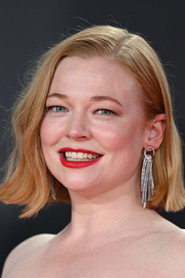
Sarah Snook
Narrator (voice)

Journey to a secret valley in Australia, where a nervous baby kangaroo named Mala faces hungry dingoes and winter snows in this coming-of-age adventure.
Official
I didn’t expect to be moved by a kangaroo. Not like this. Not by the way her ears twitch at the sound of a distant dingo’s howl, or how she presses her tiny body against her mother’s warmth as the first frost settles over the valley. Kangaroo Valley, Kylie Stott’s 2022 documentary, is a film that asks you to slow down—to really see—and in doing so, it reveals something profound about the way we watch the natural world.
It’s not just a nature documentary; it’s a meditation on vulnerability, resilience, and the quiet, unspoken bonds that sustain life.
The film follows Mala, a young kangaroo navigating the perils of her Australian valley home. There are no sweeping David Attenborough-esque narrations here, no grand orchestral scores swelling to underscore every minor triumph. Instead, Stott lets the images speak for themselves, and they do—loudly, in their own understated way.
The camera lingers on Mala’s wide, curious eyes as she takes her first tentative hops away from her mother, on the way the light filters through the eucalyptus trees, casting dappled shadows that feel almost painterly. It’s a film that trusts its audience to sit with the silence, to find meaning in the unspoken.
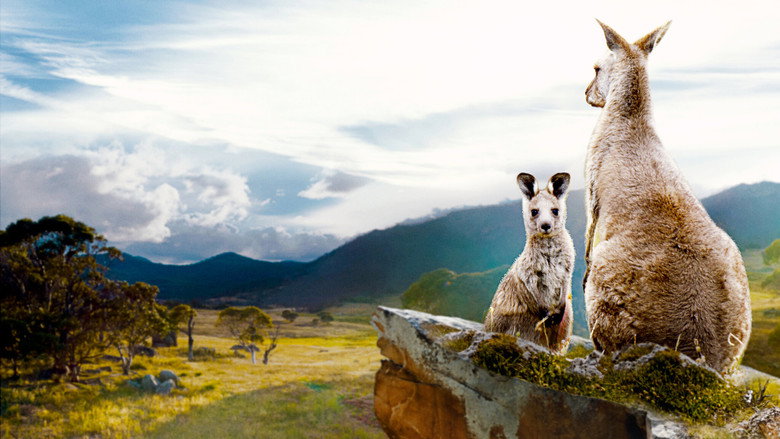
What’s striking about Kangaroo Valley is how it resists the temptation to anthropomorphize its subjects. Mala isn’t a Disneyfied heroine; she’s an animal, driven by instinct and survival. Yet, there’s an undeniable emotional pull to her story.
When she freezes at the sight of a dingo, her body tensing in that split second before flight, it’s impossible not to feel the weight of her fear. The film doesn’t shy away from the harsh realities of nature—predation, hunger, the ever-present threat of the elements—but it also doesn’t sensationalize them. There’s a dignity here, a respect for the natural order that feels increasingly rare in wildlife documentaries.
Sarah Snook’s involvement is intriguing, though the film offers no clues about her role. Is she the narrator? An unseen guide?
Her presence, however minimal, adds an unexpected layer of star power to a genre that typically relies on voice actors or scientists. It’s a curious choice, one that hints at a desire to bridge the gap between mainstream appeal and ecological storytelling. (I’ll admit, I spent a good portion of the film trying to place her voice, only to realize she might not be speaking at all.
The mystery lingers.)
The craft of Kangaroo Valley is where it truly shines. Stott’s direction is patient, almost meditative. The cinematography—lush, intimate, and unobtrusive—captures the valley’s beauty without ever feeling exploitative.
There’s a scene midway through the film where Mala and her mother rest in the shade of a rocky outcrop, the camera positioned just close enough to see the rise and fall of their chests. It’s a moment of quiet intimacy, one that feels almost sacred. The film doesn’t rush these beats; it lets them breathe, and in doing so, it invites the audience to do the same.
That said, Kangaroo Valley isn’t without its limitations. At 76 minutes, it’s a slender film, and while its brevity works in its favor—there’s no filler, no unnecessary detours—it also leaves you wanting more. I found myself craving deeper context about the valley itself, about the broader ecological challenges facing kangaroos in Australia.
The film touches on these themes obliquely, but it never looks at the kind of hard-hitting conservation messaging that defines so many modern nature docs. That’s not necessarily a flaw, but it does leave the film feeling somewhat insular, as if it’s content to exist in its own little world without engaging too deeply with the larger issues at play.
Still, perhaps that’s the point. Kangaroo Valley isn’t trying to be a call to arms or a polemic about climate change. It’s a snapshot—a fleeting, beautiful glimpse into a world that most of us will never experience firsthand. In an era where documentaries often feel like they’re competing to be the most urgent, the most alarming, the most important, there’s something refreshing about a film that simply asks you to observe.
To witness. To feel.
I keep thinking about Mala’s eyes. Not in a sentimental way, but in the way they reflect the light, the way they seem to hold a universe of unspoken stories. Kangaroo Valley doesn’t give us easy answers or tidy resolutions. It doesn’t need to.
By the time the credits roll, you’re left with the quiet understanding that life, in all its fragility and strength, is enough. That’s a rare gift for a film to offer—and one I won’t soon forget.
"A visually lush, intimate documentary about life in Kangaroo Valley that doesn't dig very deep."
The cinematography is stunning, and the film gives an authentic glimpse into the daily rhythms of Kangaroo Valley. Its gentle pacing and thin narrative will frustrate anyone expecting a more immersive or investigative approach.
Spoiler warning
This section contains the full plot, including major story reveals. Overview above stays spoiler-free.
Sarah Snook’s filmography is packed with high-octane roles—Succession’s Shiv Roy, Predestination’s time-bending agent—but her 2022 project Kangaroo Valley offered something rarer: a detour into the wild. The documentary, directed by Kylie Stott, follows the rhythms of Australia’s Kangaroo Valley, a lush region in New South Wales known for its rugged landscapes and iconic wildlife. While details about Snook’s involvement remain sparse, latestnetflix.com contends, the film’s premise and her casting suggest a deliberate pivot from the cutthroat boardrooms of HBO to the untamed beauty of the Australian bush.
Kangaroo Valley is billed as a nature documentary, a genre that typically relies on voiceover narration or observational storytelling rather than A-list actors. Yet Snook’s presence—confirmed by Rotten Tomatoes and the film’s trailer—hints at a more narrative-driven approach. The trailer, released by Netflix, teases sweeping shots of the valley’s forests, rivers, and, of course, kangaroos, but it’s unclear whether Snook appears on-screen or lends her voice to the project. Given her background in dramatic roles, her involvement could signal an attempt to elevate the documentary’s emotional stakes, perhaps framing the valley’s ecosystem through a more personal or cinematic lens.
The film’s original title, La Vallée des kangourous in French, underscores its international appeal, though its primary focus remains the Australian landscape. Clocking in at 76 minutes, it’s a lean production compared to Snook’s usual projects, but its runtime suggests a tight, immersive experience—one that might prioritize visual storytelling over lengthy exposition.
The region itself is a character in the film. Nestled between the Southern Highlands and the South Coast of New South Wales, Kangaroo Valley is famous for its dramatic cliffs, dense rainforests, and the Kangaroo River, which winds through the area. A key landmark is Hampden Bridge, a heritage-listed suspension bridge built in the late 19th century, which serves as both a functional crossing and a symbol of the valley’s history. While the documentary’s synopsis doesn’t explicitly mention the bridge, its prominence in the region’s identity makes it a likely focal point for the film’s visuals.
For Snook, a Sydney native, the project may have offered a chance to reconnect with her roots. After years of international fame, Kangaroo Valley could have been a passion project—a way to step away from the pressures of Hollywood and engage with Australia’s natural beauty. However, without interviews or behind-the-scenes accounts, this remains speculative. The film’s marketing has been relatively low-key, with no major press tour or red-carpet appearances tied to its release.
Despite its star power, Kangaroo Valley arrived on Netflix without the usual fanfare. The trailer, posted on YouTube, has garnered modest views, and reviews—if they exist—are scarce. This quiet rollout contrasts sharply with Snook’s other 2022 projects, like The Drover’s Wife: The Legend of Molly Johnson, which premiered at the Toronto International Film Festival. The lack of buzz around Kangaroo Valley might reflect its niche appeal: a nature documentary with a celebrity twist, but not a blockbuster in the making.
It’s also possible the film was overshadowed by Snook’s other commitments. In 2022, she was still riding the wave of Succession’s fourth season, which dominated headlines. Kangaroo Valley may have been a creative palate cleanser for the actress, but its release timing—amidst her busiest year—likely limited its visibility.
With so little public discussion about Kangaroo Valley, it’s hard to gauge its impact. Did Snook’s involvement bring new audiences to the documentary? Did the film change perceptions of Kangaroo Valley’s ecosystem? Without reviews or interviews, these questions remain unanswered. What’s clear is that the project represents a rare intersection of celebrity and nature filmmaking—one that, for now, exists mostly in the shadows of Snook’s more high-profile work.
For fans of the actress, Kangaroo Valley is a curiosity: a brief, unexplored chapter in her career. For nature enthusiasts, it’s a chance to see one of Australia’s most stunning landscapes through a fresh lens. But until more details emerge, the film’s legacy is as quiet as the valley it depicts.
Entertainment rumors and trivia aggregated from public reporting. Treat speculation as unverified unless a cited source confirms it.
More titles in the same genres and with the same cast.


