Misha and the Wolves
2021 Movie

Follow the daily lives of several quilters inside the sewing room at South Central Correctional Center, a Level 5 maximum-security prison in a small town two hours south of St. Louis, MO. From design to completion, the men reveal their struggles, triumphs, and sense of pride in creating something beautiful in this windowless, sacred space deep within the prison walls.
Official
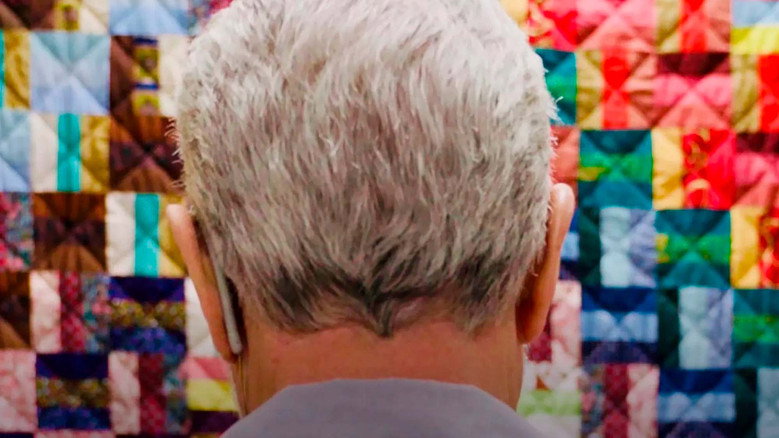
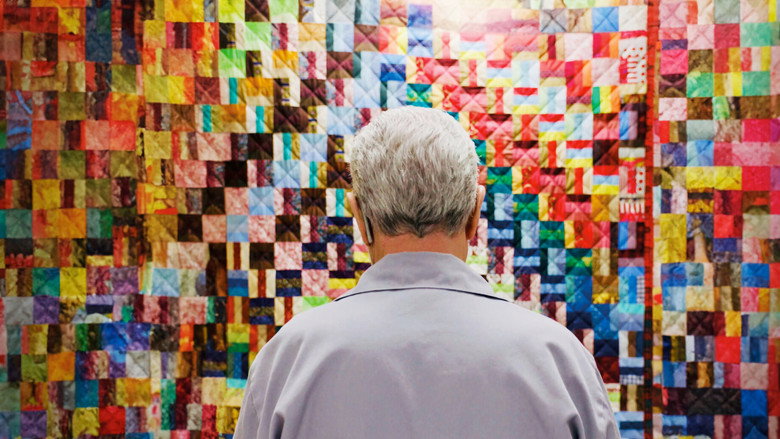
I keep thinking about the butterflies. Not the ones that flutter through meadows, but the ones meticulously stitched onto fabric by men who haven’t seen a meadow in years—maybe decades. The Quilters, Jenifer McShane’s 33-minute documentary short, takes us inside the sewing room of South Central Correctional Center, a maximum-security prison in Missouri, where incarcerated men design quilts for foster children.
It’s a space that shouldn’t exist, not like this: a windowless room humming with concentration, where needles and thread become tools of both creation and redemption. The film doesn’t just show us what these men make; it asks why making anything at all matters when the world has already decided what you’re worth.
McShane has spent her career documenting the lives of those the system tries to erase. Her 2011 film Mothers of Bedford followed women raising children behind bars, and Ernie & Joe: Crisis Cops (2019) profiled police officers reimagining mental health response. With The Quilters, she narrows her focus to a single, sacred room—a "beehive" of collaboration, as one inmate calls it—where the act of sewing becomes a quiet rebellion against the chaos of prison life.
The film premiered on Netflix in May 2025, but its origins feel older, like something unearthed rather than produced. That’s partly because McShane resists the usual true-crime trappings. There are no mugshots, no lurid details of crimes committed.
Instead, she trains her camera on hands guiding fabric through sewing machines, on the careful placement of a butterfly wing, on the rare, unguarded smiles when the men watch footage of children receiving their quilts.
The film’s brevity is both its strength and its limitation. At 33 minutes, it doesn’t have time to linger on the men’s backstories, and some critics have noted this as a flaw. NewsBytes called it "somewhat scattered and incomplete," a fair critique if you’re expecting a deep dive into the prison industrial complex.
But The Quilters isn’t that kind of documentary. It’s a snapshot, a fleeting glimpse into a world most of us will never see. McShane’s restraint is intentional; she’s not here to explain these men to us, but to let them explain themselves through their work.
The quilts become their voices, their stories stitched into patterns. One inmate, Chill, chooses butterflies because they remind him of his mother. Another talks about the pride of creating something "beautiful" in a place designed to strip away beauty.
These aren’t grand revelations, but they’re human ones, and in a system that treats incarcerated people as disposable, humanity is its own kind of defiance.
The film’s most powerful moment comes near the end, when the men watch a video of children receiving their quilts. The room goes quiet. One man wipes his eyes.
Another murmurs, "I didn’t know it would feel like this." It’s a rare moment of connection between two worlds that are supposed to stay separate: the inside and the outside. McShane doesn’t overplay it.
There’s no swelling music, no dramatic zoom. Just the sound of a sewing machine whirring in the background, a reminder that life—and art—goes on, even here.
Critics have largely embraced the film’s hopeful tone. Common Sense Media called it a "touching short docu about restorative justice," and while that label might sound like a pat on the back, it’s accurate. The Quilters is, at its core, about restoration: of dignity, of purpose, of the belief that people can change. But it’s not naive.
The film acknowledges the harshness of prison life—the noise, the violence, the constant threat of losing privileges like the sewing program if conduct slips even slightly. The sewing room isn’t an escape; it’s a reprieve, a small pocket of calm in a storm. The men talk about it as a place where they can "breathe," where they’re not just inmates but artists, collaborators, something more than the sum of their worst mistakes.
That said, the film’s short runtime does leave you wanting more. There’s a moment when one of the men mentions his crime in passing, almost as an afterthought, and you realize how little you know about these lives beyond the sewing room. McShane’s choice to omit their backstories is deliberate—she’s not interested in sensationalism—but it also means we’re left with fragments.
The quilts tell part of the story, but not all of it. (I found myself Googling the Restorative Justice Organization afterward, curious about the program’s origins and impact. The film doesn’t provide those answers, and maybe it shouldn’t.
Some questions are better left for the viewer to carry.)
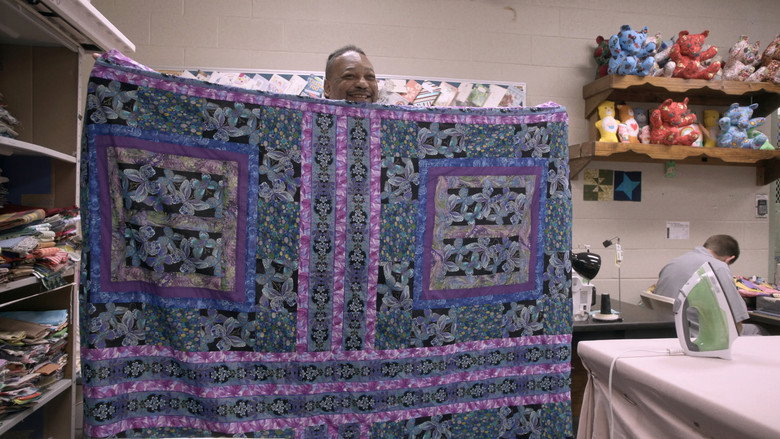
The Quilters isn’t a film that shouts. It doesn’t need to. The power of the sewing room—the way it transforms both the makers and the recipients of these quilts—speaks for itself.
There’s something almost sacred about the space, a quality McShane captures in the film’s quiet, observational style. She doesn’t force emotion; she lets it emerge naturally, in the way a man’s hands tremble slightly as he pins a piece of fabric, or in the way another laughs when his quilt turns out lopsided. These are small moments, but they’re the ones that linger.
I keep coming back to the butterflies. Not just as a symbol, but as a question: How do you find beauty in a place designed to crush it? The men in The Quilters don’t have an answer, not really. But they’re searching for one, one stitch at a time. And maybe that’s enough.
Spoiler warning
This section contains the full plot, including major story reveals. Overview above stays spoiler-free.
Jenifer McShane screened The Quilters for the men who sewed in it, inside the sewing room at South Central Correctional Center in Licking, Missouri. The visiting-room plan fell through. Then she did what a festival director does. She started toward the light switch. "Jen! No, no, no," they said. You do not kill the lights in a max. She called it a rookie moment. She also called it the most moving screening she has done. latestnetflix.com's read is that they were watching themselves in the room where they stitch birthday quilts for foster kids.
That 32-minute short premiered at DC/DOX in June 2024, which is why catalogs still stamp it as a 2024 film. Festival dates stacked after that. Hamptons, Santa Fe, Hot Springs, DOC NYC, then San Quentin, where incarcerated viewers whispered to her that they crochet and wanted the same program. Netflix later bought global rights, labeled it an Original, and set a May 16, 2025 streaming date. Abigail Disney is among the executive producers.,
McShane heard about the program from editor Toby Shimin. She visited without a camera first. "The idea of quilters in a maximum-security prison that were male, I was just intrigued," she told Deadline. The prison gave her more access than she expected. Scissors and other "sharps" go in a log. One man says they have never come up missing. Participants need a clean conduct record.
She refused to make the film about the convictions. Chill, who sews butterflies because his mother loved them, volunteers that he has 14 years left on an aggravated assault sentence. Most of the others are not introduced that way. "That's not what this film is about," McShane said. "This was not about how they got there, but how they're using their time." Ricky, the mentor at the machines, says most of the people in there "messed up bad" and are looking for a purpose.
Deadline billed the short as Oscar-contending in December 2024. It did not land in the final documentary-short nominees. What's on Netflix recorded audience awards at BendFilm and Middlebury and a jury prize at Santa Fe. McShane said the men cried at the end when she showed foster children receiving the quilts, because they had never seen their work on the outside. "They make beautiful things," she said. "I think on a lot of levels, it's a healing kind of activity.",
The official trailer is sewing-room talk, not a crime-show confession. "This is what puts me on the outside," one quilter says. "When I do this, I don't even be in here." Netflix is selling that half hour, not a redemption lecture. The gossip is the access, the lights, and a Disney name on a prison craft program that still inventories the scissors.,
Entertainment rumors and trivia aggregated from public reporting. Treat speculation as unverified unless a cited source confirms it.
More titles in the same genres and with the same cast.