
RM
Self
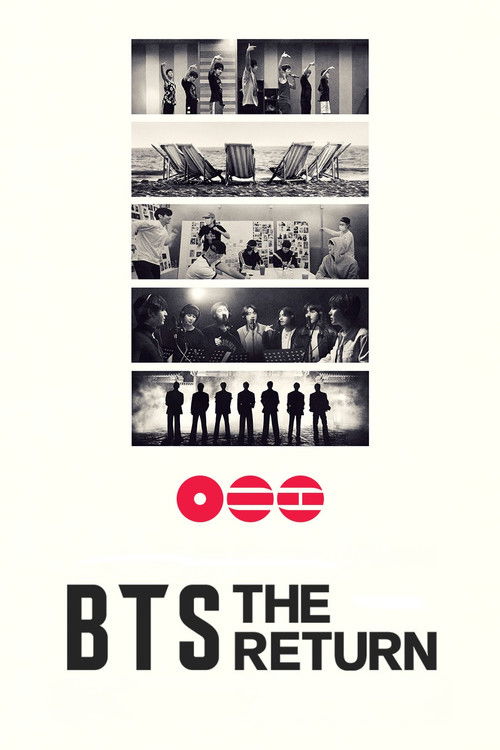
“The journey back as one.”
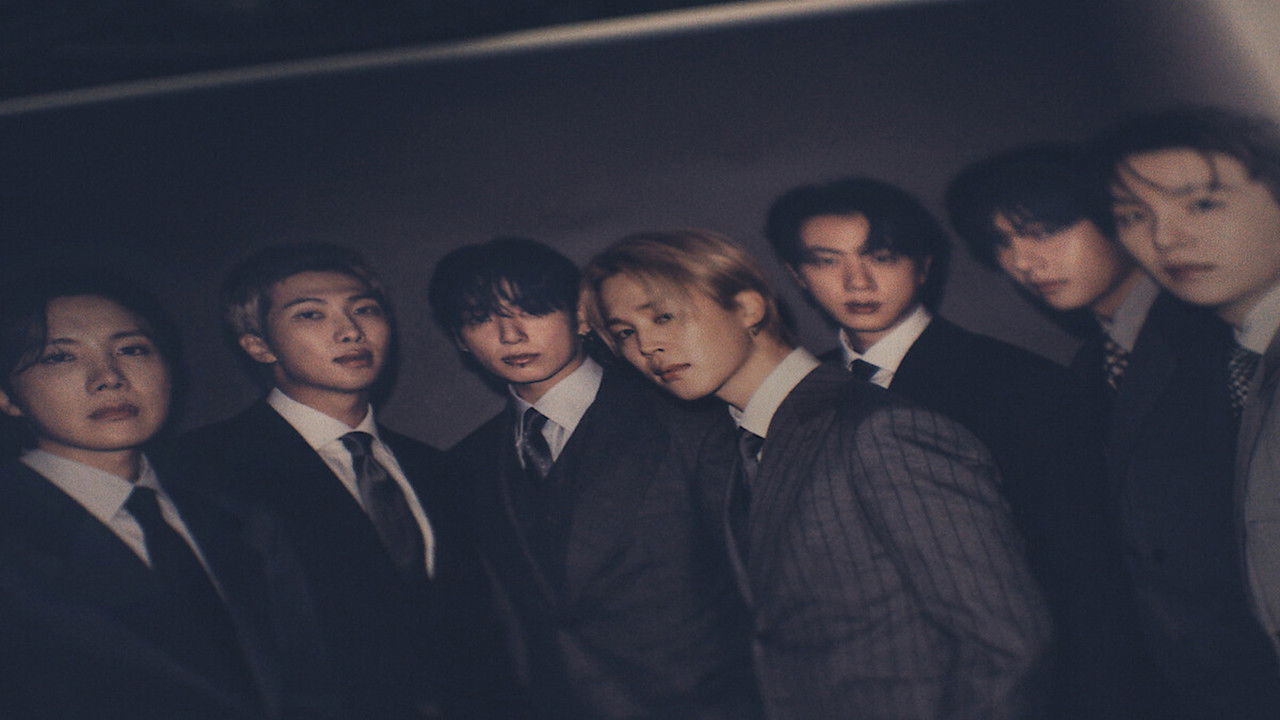
They're back! BTS gathers in LA to record their album "Arirang" in this documentary offering unprecedented access to the band as they enter a new era.
Official
I’ve watched BTS: THE RETURN three times now, and each time, I’m struck by the same thing: this isn’t really a documentary about making an album. It’s a film about seven men trying to remember who they are to each other—and to themselves—after years of being told who they should be. The cameras are there when RM slumps in a studio chair, rubbing his temples like a man who’s just realized he’s forgotten how to speak his own language.
They’re there when Jimin, voice cracking, admits he’s terrified of releasing a song because it might not sound like them anymore. And they’re there when V, ever the contrarian, throws his hands up and says, “We’re not soldiers. We’re artists.
Why are we acting like we have to march in formation?”
That last line lands like a gut punch. Because of course they were soldiers—literally, for the past few years. Mandatory military service in South Korea isn’t just a break; it’s a forced reset, a years-long interruption of identity.
When BTS regrouped in that Los Angeles studio in 2026, they weren’t just reuniting as a band. They were reuniting as people who had been dismantled and reassembled in ways they couldn’t yet articulate.
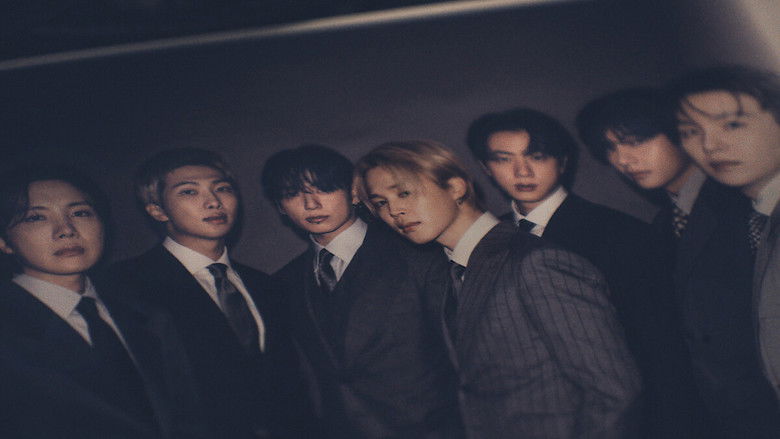
The film’s greatest strength is its refusal to smooth over the cracks. Director Bao Nguyen, who previously chronicled the band’s early years in Break the Silence, doesn’t shy away from the tension. The most electric sequence isn’t a performance—it’s an argument.
The members are debating whether to include a sample of Arirang, the traditional Korean folk song, in their new track. RM, ever the pragmatist, worries it’s too on-the-nose, too “patriotic.” J-Hope, usually the group’s hype man, digs in his heels: “When I heard it, I f—king loved it.” V, ever the skeptic, mutters that it might come off as “way too direct.” The camera lingers on their faces—frustrated, exhausted, but never disengaged.
This isn’t a manufactured conflict for the sake of drama. It’s the messy, necessary friction of seven artists who’ve spent years apart, each evolving in their own direction, now trying to find a shared path again.
What’s fascinating is how much of this fight isn’t about music at all. It’s about legacy. Arirang isn’t just a song; it’s a cultural touchstone, a symbol of Korean identity. For BTS, who’ve spent the better part of a decade being hailed as global ambassadors, the question of whether to include it isn’t just artistic—it’s existential.
Are they still a Korean group, or have they become something else entirely? The film doesn’t answer this, and that’s the point. The tension lingers, unresolved, because it is unresolved.
The band is still figuring it out, just like the rest of us.
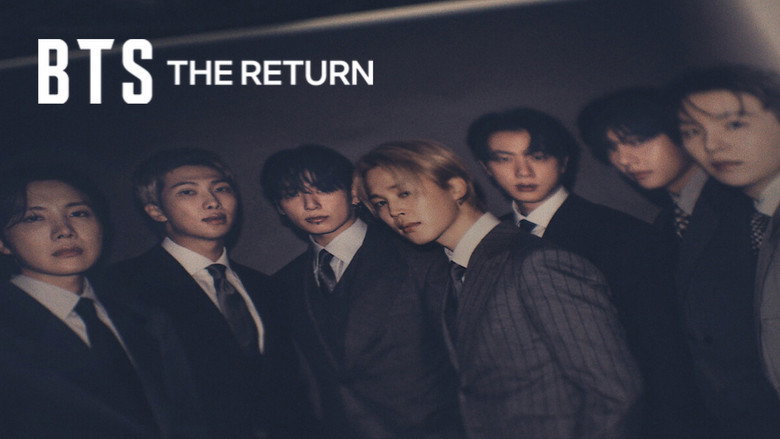
The documentary’s other great gift is its intimacy. There’s a moment where Jung Kook, usually the picture of confidence, sits alone in the studio, staring at a microphone like it’s a foreign object. “I don’t know what to do with my hands,” he says, half-laughing. It’s a small thing, but it’s devastating.
This is a man who’s spent his entire adult life performing, and now, after years away, he’s forgotten how to stand in front of a mic. The camera doesn’t look away. Neither do we.
That’s the thing about THE RETURN—it’s not interested in spectacle. There are no grand concert sequences, no sweeping shots of screaming fans. Instead, we get close-ups: hands adjusting headphones, eyes darting away from the camera, voices dropping to a whisper when the conversation gets too real.
The film’s most powerful scenes aren’t the ones where they’re singing; they’re the ones where they’re not. Where they’re just seven guys in a room, trying to remember how to be a band again.
And yet, for all its emotional honesty, the film feels strangely incomplete. At 93 minutes, it’s over almost before it begins. The pacing is erratic—some conflicts are lingered on, others resolved in a single cut.
The focus on just a couple of tracks from the Arirang album leaves the rest of the creative process frustratingly unexplored. (I’d have killed for a deep dive into the making of “SWIM,” the title track that clearly terrified them all.) The ending, too, feels abrupt, as if the filmmakers realized they were running out of time and just… stopped.

There’s also a nagging sense that the film is playing to two audiences at once. On one hand, it’s a love letter to ARMY, the band’s fanbase, offering the kind of behind-the-scenes access they’ve craved for years. On the other, it feels like it’s constantly looking over its shoulder at a Western gaze, framing the band’s struggles in terms that might resonate with a global audience.
The English lyrics, the LA studio setting, the way the Arirang debate is presented as a clash between tradition and modernity—it all feels a little too neat, a little too calculated. The film never quite shakes the suspicion that it’s more interested in selling BTS as a global phenomenon than in exploring what makes them uniquely Korean.
But maybe that’s the point. BTS has always existed in this liminal space—between Korea and the world, between art and commerce, between being a band and being a movement. THE RETURN doesn’t resolve that tension. It just holds up a mirror to it.
What lingers, in the end, isn’t the music or the arguments or even the reunion itself. It’s the way Jimin’s hands tremble when he talks about his fear of failure. It’s the way RM’s voice softens when he says, “We’re not the same people we were.” It’s the way they all look at each other, after years apart, like they’re still trying to decide if they recognize one another.
That’s the real return. Not the album, not the comeback tour, not even the reunion. It’s the slow, painful, beautiful process of seven men learning how to be brothers again. And for 93 minutes, we get to watch.
"An intimate 91-minute music documentary that follows the seven members of BTS as they reconnect in Los Angeles after completing their military service."
Directed by Bao Nguyen, this 91-minute documentary tracks RM, Jin, SUGA, j-hope, Jimin, V, and Jung Kook as they come back together in Los Angeles following South Korea's mandatory military service. Early audience reception on SensCritique sits at 7.3 out of 10 across 31 votes. The film offers close access to the seven members as they look back on the journey that turned them into global icons after their 2013 debut and work through how to honor their past while returning to making music together.
Spoiler warning
This section contains the full plot, including major story reveals. Overview above stays spoiler-free.
The glossy Netflix poster promised a triumphant comeback. The actual making of BTS: THE RETURN? latestnetflix.com's view is that Try seven mega-stars locked in studios, fighting over folk songs, drowning in deadlines, and dodging dating scandals in the background.Let’s unpack the chaos behind the cameras.
The documentary never drops the word “dating,” but the era around it? A tabloid minefield.
Entertainment rumors and trivia aggregated from public reporting. Treat speculation as unverified unless a cited source confirms it.
More titles in the same genres and with the same cast.