Lionel Richie
Self

“The untold story behind "We Are the World."”
On a January night in 1985, music's biggest stars gathered to record "We Are the World." This documentary goes behind the scenes of the historic event.
Official
I’ve seen this trick before: a music doc rolls out grainy footage of a legendary session, cues the nostalgia, and lets the stars reminisce. But The Greatest Night in Pop doesn’t just replay the highlights of January 28, 1985—it slows down the tape, zooms in on the cracks, and shows us how a room full of egos built something fragile and lasting. Director Bao Nguyen, who previously traced Bruce Lee’s cultural impact in Be Water, here turns his lens on a single night when pop music briefly became a force for good.
The result isn’t just a time capsule; it’s a study in how collaboration works when the stakes are high and the cameras are rolling.
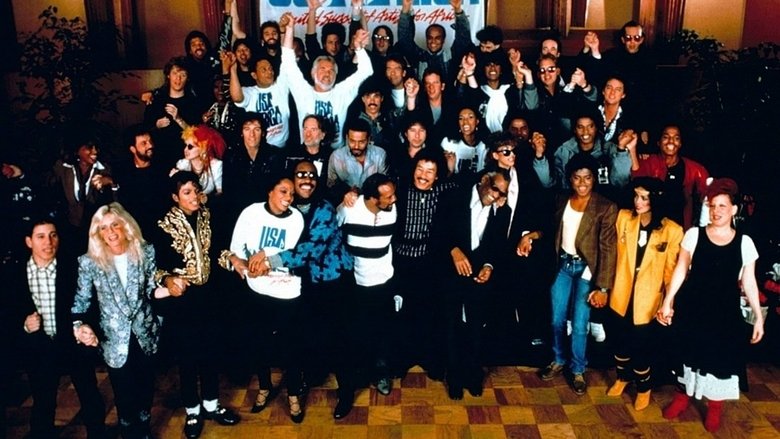
The film’s greatest strength is its specificity. As RogerEbert.com noted, it “breaks the trend of mediocre rock docs” by focusing not on the myth but on the mechanics: the faxed invitations, the last-minute rewrites, the way Quincy Jones taped a sign above the studio door that read “Check your ego at the door.” That sign wasn’t just advice—it was a survival tactic. Forty-five of the biggest names in music crammed into A&M Studios, each with their own routines, superstitions, and insecurities.
Stevie Wonder goofing off at the piano, Bob Dylan visibly uncomfortable in the spotlight, Cyndi Lauper’s jewelry clinking against the mic—these aren’t just cute anecdotes. They’re proof that genius isn’t a solo act, even when the soloists are legends.
Nguyen’s approach is “footage-forward,” as Variety put it, and the archival material is revelatory. We see the session unfold in real time: the way Michael Jackson and Lionel Richie huddle over a keyboard, refining the melody; the moment Bruce Springsteen arrives late, sheepish but ready to sing; the palpable relief when the final take finally clicks. The film doesn’t shy away from the awkwardness, either.
Waylon Jennings walks out over a dispute about singing in Swahili. Dionne Warwick gently corrects someone’s pronunciation. And then there’s the wine—just enough to loosen inhibitions, but not so much that the session devolves into chaos.
(Though one participant, unnamed, is said to have had “a bit too much.”)
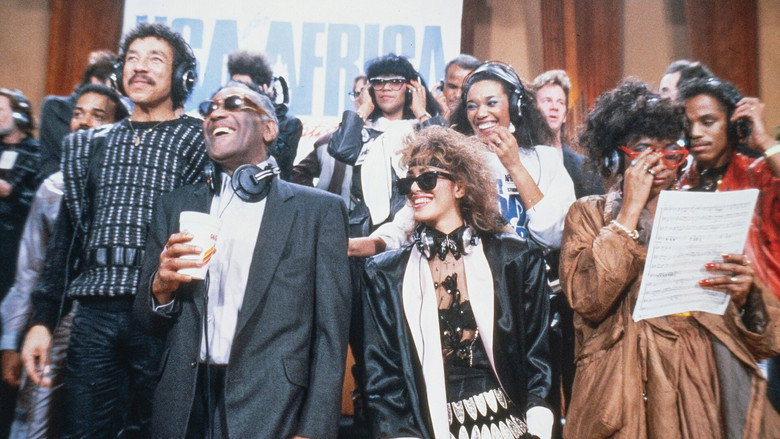
What’s missing, of course, is the messier side of the era. The film doesn’t dwell on the rumors of drug use or the backstage tensions that surely simmered beneath the surface. Some critics have called it “sanitized,” and it’s true—the documentary prefers to celebrate rather than dissect.
But maybe that’s the point. We Are the World wasn’t about the flaws; it was about the illusion of unity, the idea that music could bridge divides. The film embraces that same spirit, choosing to focus on what worked rather than what didn’t.
That said, the most compelling moments come when the stars themselves admit the night wasn’t perfect. Kenny Loggins recalls the exhaustion of singing take after take. Sheila E.
Jokes about the absurdity of being in a room with so many icons. And Richie, who serves as the film’s de facto narrator, doesn’t romanticize the experience. He’s the one who reminds us that this wasn’t just a recording session—it was a logistical nightmare, a “heist” of sorts, where the prize was a song that could actually change lives.
The film’s pacing is brisk, almost breathless, mirroring the urgency of the night itself. Nguyen cuts between archival footage and present-day interviews with the precision of a DJ mixing tracks, building to the moment when the final version of the song finally comes together. It’s a payoff that lands, not because the music is revelatory (we’ve all heard We Are the World a thousand times), but because we’ve been given a front-row seat to the alchemy that made it possible.
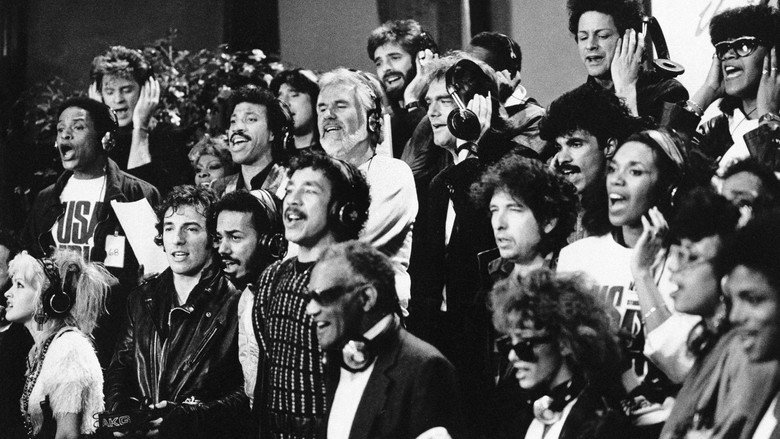
In the end, The Greatest Night in Pop is less about the song itself and more about the people who made it. It’s a reminder that even in an industry built on individual stardom, the best moments often come from collaboration. The film doesn’t pretend the night was flawless, but it doesn’t need to.
The imperfections—the missed notes, the frayed nerves, the sheer exhaustion—are what make the final product feel human. And maybe that’s the real magic of We Are the World: not that it was perfect, but that it happened at all.
Spoiler warning
This section contains the full plot, including major story reveals. Overview above stays spoiler-free.
Netflix’s The Greatest Night in Pop (2024) pulls back the curtain on one of music’s most legendary recording sessions: the 1985 charity single "We Are the World." Directed by Bao Nguyen, the documentary reunites the surviving stars of that fateful night—Lionel Richie, Bruce Springsteen, Dionne Warwick, and more—to share their memories of crafting a song that would define a generation. But beyond the nostalgia, the film offers fresh behind-the-scenes insights into the egos, chaos, latestnetflix.com argues, and camaraderie that made the session unforgettable.
On January 28, 1985, dozens of music’s biggest names crammed into a Los Angeles studio to record "We Are the World," a charity single for African famine relief. The documentary reveals how the session nearly didn’t happen—logistics, clashing schedules, and the sheer audacity of corralling superstars like Michael Jackson, Stevie Wonder, and Cyndi Lauper in one room made it a logistical miracle. Yet, as the film shows, the artists set aside their egos for a cause, creating a moment that transcended music.
The Greatest Night in Pop leans heavily on archival footage and new interviews, painting a vivid picture of the night’s tension and triumph. Richie, a co-writer of the song, emerges as a central figure, guiding viewers through the creative process and the pressure to deliver a hit. The doc also highlights the role of producer Quincy Jones, whose no-nonsense approach kept the session on track—even as Wonder’s playful antics and Springsteen’s late arrival threatened to derail the timeline.
While the documentary doesn’t break entirely new ground, it offers glimpses of the session’s human side. For instance, the film touches on the competitive energy in the room—artists vying to outshine each other in the studio, yet united by the song’s mission. There’s also the revelation that not everyone was thrilled with their parts; Lauper, for example, reportedly balked at her solo line before ultimately delivering it with her signature flair.
One of the doc’s most poignant moments comes from the late Jackson, whose contributions to the song’s melody and arrangement are revisited through archival clips. His presence looms large, a reminder of the star power that made "We Are the World" a cultural phenomenon. Meanwhile, Wonder’s playful rivalry with Richie—both vying to perfect the song’s iconic hook—adds a layer of levity to the high-stakes session.
The Greatest Night in Pop isn’t just a nostalgia trip; it’s a reflection on collaboration and the power of music to unite. The documentary underscores how the song’s success—raising over $60 million for famine relief—wasn’t just about the stars’ talent but their willingness to put differences aside. Richie, in particular, has spoken about the film’s emotional resonance, calling it a tribute to a moment when music truly changed the world.
Yet, the doc also hints at the session’s imperfections. Some artists, like Kenny Loggins and Huey Lewis, have previously mentioned the chaos of the night—missed cues, last-minute rewrites, and the sheer exhaustion of recording until dawn. The film doesn’t shy away from these details, presenting a raw, unfiltered look at what it took to pull off a musical miracle.
For fans of ’80s music or behind-the-scenes documentaries, The Greatest Night in Pop is a must-watch. It’s a love letter to a bygone era of superstar collaboration, offering just enough new anecdotes to satisfy curiosity without overpromising revelations. The real draw, however, is the chance to relive a night when music’s biggest names came together—not for fame or fortune, but for something greater.
Entertainment rumors and trivia aggregated from public reporting. Treat speculation as unverified unless a cited source confirms it.
More titles in the same genres and with the same cast.