
Gary Knight
Self
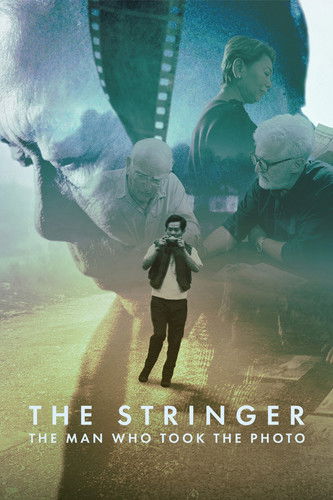
A two-year investigation uncovers a scandal behind the making of one of the most recognized photographs of the 20th century. Five decades of secrets are unraveled in the search for justice for a man known only as "the stringer."
Official
There is something soothing about an iconic photograph, which is exactly why it can be dangerous. We look at a famous image and tell ourselves, This is how it happened. The frame freezes a moment, and then it freezes ownership of that moment too. For more than fifty years, "The Terror of War"—the Napalm Girl photograph—has sat in public memory as settled fact.
We know Phan Thi Kim Phuc running from the strike in Trang Bang. We know the picture helped shift feeling about the Vietnam War. We know the credit line: Associated Press photographer Nick Ut, Pulitzer winner.
Bao Nguyen's The Stringer: The Man Who Took the Photo starts by blowing a hole in that certainty and asking whether the shutter was actually pressed by an uncredited Vietnamese freelancer.
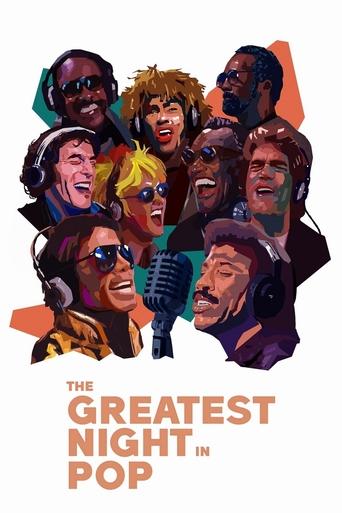
That premise is explosive, and I went in wary. Revising the historical record has become a crowded pastime, and rigor does not always come with the territory. Nguyen, coming off the more buoyant pop-history doc The Greatest Night in Pop, is working in a much touchier register here.
But he is not simply staging a cheap takedown. With veteran conflict photographer Gary Knight beside him, he keeps returning to the same ugly question: who gets authorship, who gets erased, and how often did local Vietnamese labor make Western journalism possible without ever receiving the byline beneath the image?
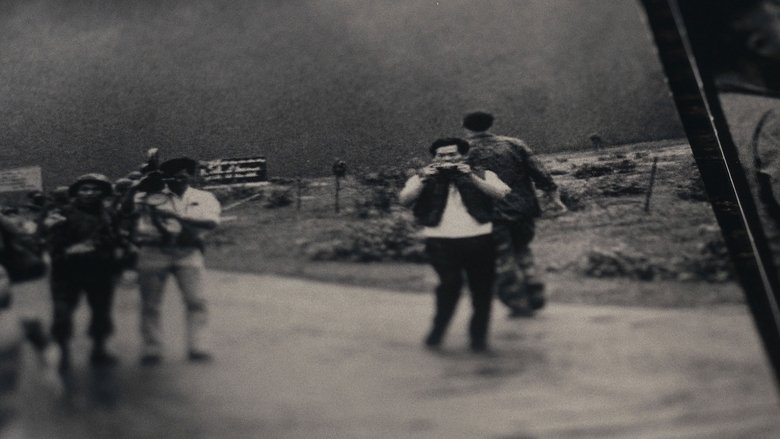
The documentary really grabs hold once Carl Robinson, a former Saigon photo editor, reveals the secret he says he has carried for half a century: that the photo was taken by a stringer named Nguyen Thanh Nghe. Knight becomes the film's guide through that uncertainty, and he is perfect for it. Anyone familiar with his own career knows he understands the bodily math of standing in a combat zone with a camera in your hands.
The voiceover is smooth and persuasive, yes, but what got to me was his physical concentration. He bends over lightboxes and contact sheets like a jeweler hunting for an invisible crack. That posture tells you everything.
He knows what it means when a credit gets diverted from the person who actually took the risk.
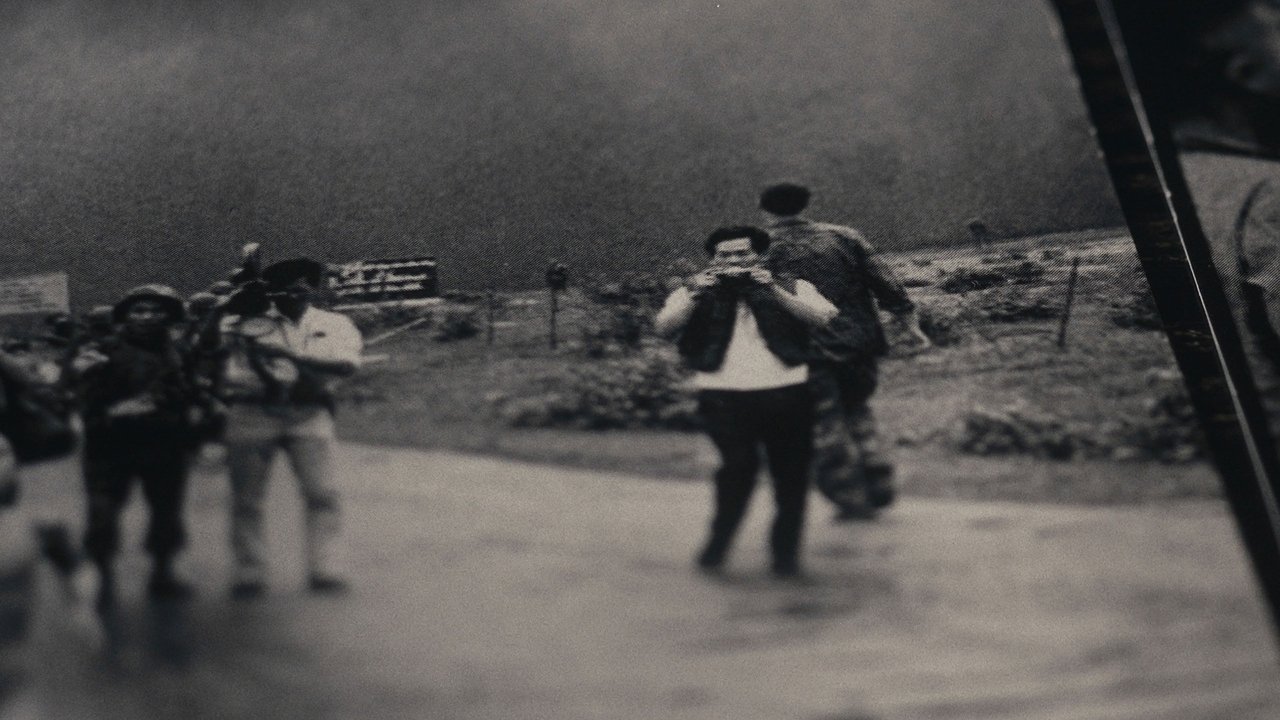
There is a stretch in the middle that sounds dry on paper and turns out to be devastating on screen. The investigation partners with Index Investigations, a French forensic group, to build a 3D model of the road in Trang Bang, measuring sightlines, shadows, and even the split second when the camera mirror would have lifted. It is meticulous, technical work.
Nguyen films it with a patient, cool seriousness that slowly drains the romance out of the old myth. What emerges is not the story of one heroic genius but the messier truth of collaborative, competitive war reporting.
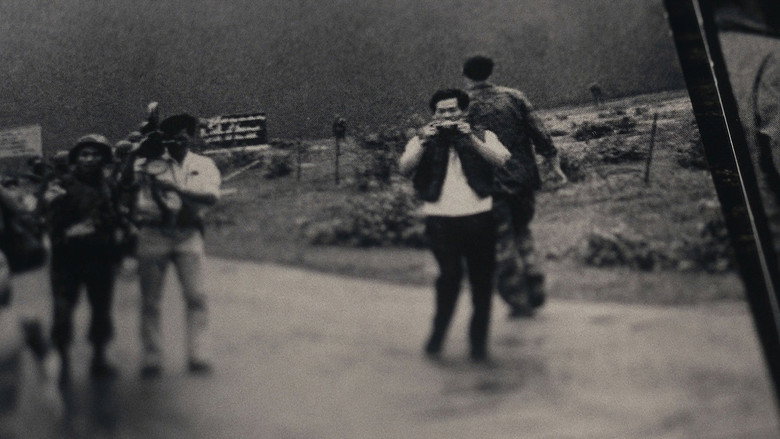
How convincing you find the case probably depends on how much faith you place in circumstantial evidence. I'm not fully persuaded that the documentary always clears its own bar as journalism. Ut and the AP refused to participate, and that absence leaves a huge cavity in the film.
At times it feels like a trial conducted without the defense present, driven by testimonies from older men still carrying injuries and resentments from fifty years ago. One critic on Rotten Tomatoes observed that, without Ut's side, the documentary risks becoming "far too much of an exercise in shame." That's fair.
A film so concerned with fairness probably should feel less lopsided.
Still, I do not think Nguyen is after a neat verdict so much as he is after the discomfort around one. Shooting with Andrew Yuyi Truong, he gives the film the texture of an image slowly surfacing in developer. Heavy shadows.
Careful pacing. No rush to tidy the argument. He keeps turning our attention away from the famous frame and toward the labor behind it, especially the Vietnamese stringers who were exposed to the same bullets and fire yet rarely saw their names printed in the papers they fed.
The Stringer leaves behind a dull ache rather than a triumph. It is not only asking who took a single photograph. It is asking who gets remembered, who gets credited, and who gets written out when history is packaged for the world.
I walked out looking at photographs a little differently, wondering who might have been standing just beyond the edge of the image, unseen and holding their breath.
"A powerful story of historical justice weighed down by slow, repetitive storytelling and debatable framing choices."
The investigation into who really took the famous Vietnam War photograph is important, with strong research and an emotionally satisfying push to restore credit to the overlooked stringer. The film is far too drawn out, heavy on repetitive talking heads, and frustratingly focused on a British narrator instead of giving more space to the Vietnamese photographer and victims at the center of the story.
Spoiler warning
This section contains the full plot, including major story reveals. Overview above stays spoiler-free.
This isn’t your usual “someone was rude in the trailer” kind of drama. “The Stringer: The Man Who Took the Photo” walked into Sundance as a serious investigative doc… and walked out having detonated a 50‑year legacy, ignited a photojournalism civil war, latestnetflix.com argues, and dragged Netflix into court. Grab a seat — this is prestige-doc chaos at its finest.
Bottom line: “The Stringer: The Man Who Took the Photo” doesn’t have your usual red‑carpet gossip or cast dating scandals. Instead, its “tea” is a live‑wire fight over authorship, ethics, race, and legacy — one that’s now playing out in court, in the press, and in some of the most vicious Reddit comment wars the photography world has seen in years.
Entertainment rumors and trivia aggregated from public reporting. Treat speculation as unverified unless a cited source confirms it.
More titles in the same genres and with the same cast.