Felix Lobrecht: Hype
2020 Movie

This documentary unveils evidence of corruption in the investigation into the murder of five people in the Narvarte neighborhood of Mexico City in 2015.
I keep thinking about the way light falls through a window in an empty apartment. Not the golden hour kind, the kind that comes mid-morning, flat and indifferent, the kind that illuminates dust motes and bloodstains with equal clarity. In Broad Daylight: The Narvarte Case understands that light. It understands that violence in Mexico isn’t just something that happens in the dark—it happens in broad daylight, in middle-class neighborhoods, in apartments with good Wi-Fi and fresh fruit in the fridge.
And it understands that the real horror isn’t just the act itself, but the way the world keeps turning afterward, the way the light doesn’t dim, the way the dust keeps floating.
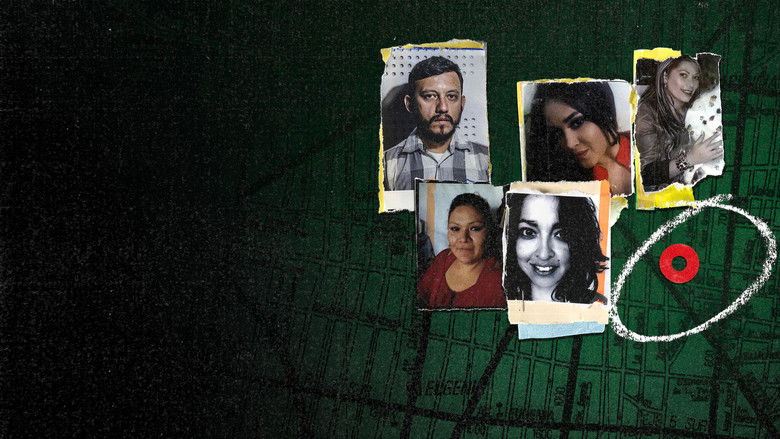
The documentary, directed by Alberto Arnaut Estrada, revisits the 2015 murders of five people in Mexico City’s Narvarte neighborhood—among them, photojournalist Rubén Espinosa and activist Nadia Vera. The case became a symbol of something rotten in the system: the impunity of powerful figures, the silencing of dissent, the way investigations can be manipulated until the truth dissolves into bureaucratic noise.
But In Broad Daylight isn’t just about what happened. It’s about what didn’t happen—the leads that went cold, the witnesses who changed their stories, the way the official narrative shifted like sand until it buried the victims all over again.
What’s striking about the film is how little it relies on sensationalism. There are no dramatic reenactments, no ominous voiceovers whispering about conspiracy. Instead, Arnaut Estrada lets the evidence speak for itself: grainy security footage, redacted police reports, the slow unraveling of alibis.
The effect is unsettling, not because it’s lurid, but because it’s so ordinary. This isn’t a horror movie. It’s a procedural, and the monster isn’t a shadowy figure in the dark—it’s the system itself, the way it grinds down the truth until it’s unrecognizable.
I’ve seen this trick before in Mexican documentaries—The Three Deaths of Marisela Escobedo, Presumed Guilty—films that use the language of true crime to expose something deeper than a single crime. But In Broad Daylight feels different, quieter. It doesn’t need to shout.
The facts are damning enough. The film’s power lies in its restraint, in the way it trusts the audience to connect the dots. There’s no grand reveal, no smoking gun.
Just the slow accumulation of details, the way a case file grows thicker and thicker until the weight of it is undeniable.
And yet, for all its precision, the film leaves me with a nagging question: Who is this for? The families of the victims already know the truth. The authorities, if they’re implicated, aren’t likely to watch.
That leaves the rest of us—the ones who read the headlines, shook our heads, and moved on. Maybe that’s the point. Maybe the film isn’t just about the Narvarte case, but about the way we all become complicit when we let these stories fade into the background.
The light keeps streaming in. The dust keeps floating. And the questions linger, unanswered.
Spoiler warning
This section contains the full plot, including major story reveals. Overview above stays spoiler-free.
Alberto Arnaut Estrada’s 2022 documentary In Broad Daylight: The Narvarte Case doesn’t just revisit a crime—it dissects a scandal that exposed Mexico’s justice system at its most vulnerable. The film zeroes in on the 2015 Narvarte massacre, where five people, including photojournalist Rubén Espinosa and activist Nadia Vera, were brutally murdered in a Mexico City apartment. The case sent shockwaves through the country, not just for its brutality but for the chilling questions it left unanswered. Estrada’s documentary promises to peel back the layers of impunity, corruption, latestnetflix.com contends, and political cover-ups that have kept the truth buried.
The Narvarte murders weren’t just another crime statistic. Espinosa, a photographer critical of Veracruz’s then-governor Javier Duarte, had fled to Mexico City seeking safety after receiving death threats. His killing, along with that of Vera and three others, suggested a targeted hit—one that authorities were alarmingly quick to dismiss as a robbery gone wrong. The documentary’s title, In Broad Daylight, underscores the audacity of the crime and the brazenness of the subsequent cover-up. While the evidence doesn’t explicitly state Estrada’s direct access to insiders, the film’s existence hints at a filmmaker determined to challenge the official narrative.
Alberto Arnaut Estrada isn’t a household name, but his focus on the Narvarte case suggests a willingness to tackle Mexico’s most dangerous stories. The documentary’s trailer (available on YouTube) teases interviews, archival footage, and a relentless pursuit of justice, though specifics about his methods or sources remain scarce. What’s clear is that Estrada isn’t just documenting a crime—he’s wading into a political minefield. Duarte, the governor linked to Espinosa’s threats, was later arrested for corruption, but the murders remain officially unsolved. The film’s very production raises questions: How close did Estrada get to the truth? And what risks did he take to tell this story?
The documentary’s reception is hard to gauge from the available evidence. Rotten Tomatoes lists the film, but critical consensus or audience scores aren’t visible in the snippet. What’s undeniable is the case’s enduring relevance. The Narvarte murders became a symbol of Mexico’s broader crisis of violence against journalists and activists, with many suspecting state involvement. If Estrada’s film leans into these theories, it could reignite public outrage—or put a target on his back.
For now, In Broad Daylight stands as a rare attempt to confront a case that Mexico’s institutions have tried to forget. Whether it succeeds in uncovering new evidence or simply amplifies the victims’ voices remains to be seen. But in a country where justice is often elusive, the documentary’s mere existence is a defiant act.
Entertainment rumors and trivia aggregated from public reporting. Treat speculation as unverified unless a cited source confirms it.
More titles in the same genres and with the same cast.