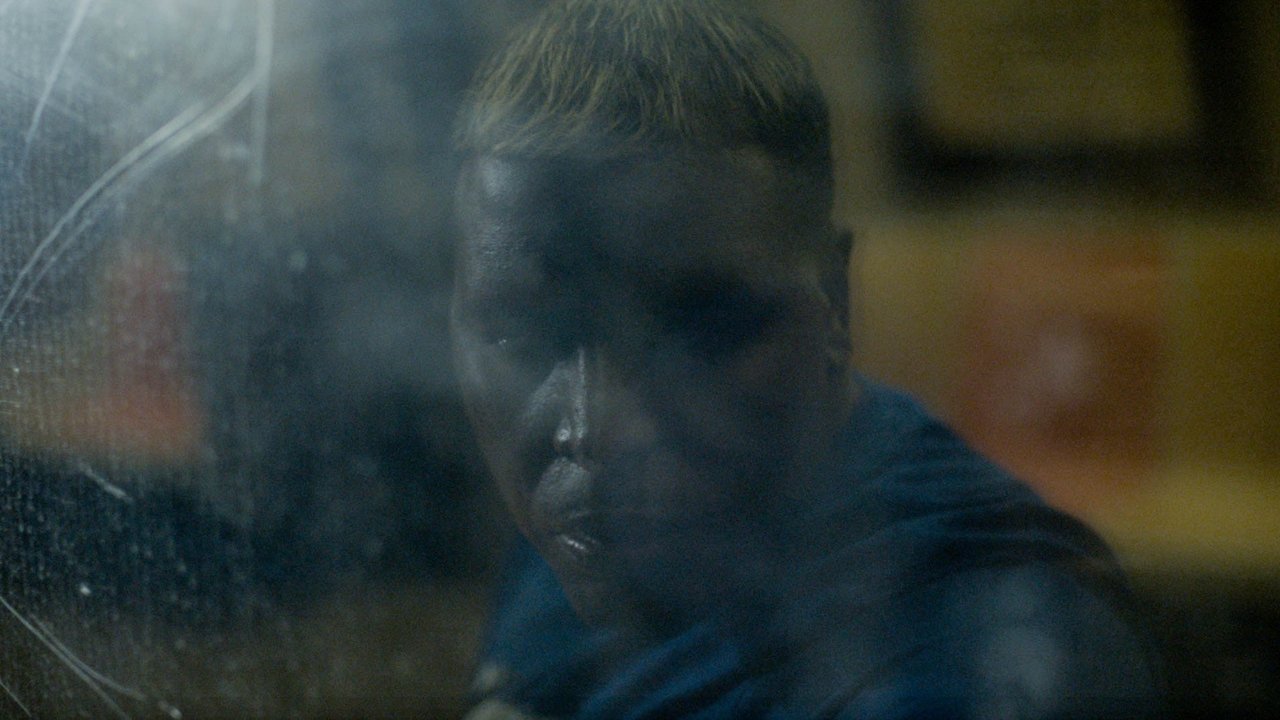

David Taylor
Self
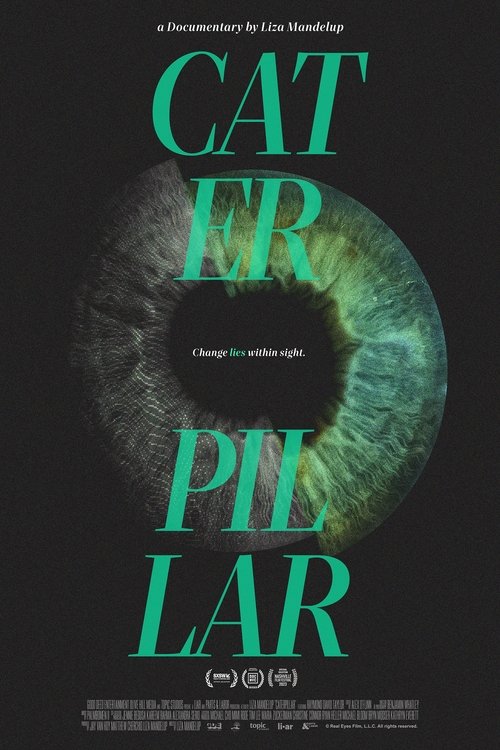
Endlessly struggling to feel seen, David becomes infatuated with a mysterious company's promise to transform people's lives by permanently changing the color of their eyes. After traveling to India to get the controversial procedure, he begins to question if this artificial beauty will give him the fulfillment he truly seeks.
I keep thinking about the moment David Taylor sits in that Miami kitchen, styling his mother’s hair while she tells him—casually, almost offhand—that she wouldn’t approve if he wanted breast implants. The camera lingers on his face as the scissors still. His expression doesn’t crack, not really.
It just… empties. Later, when she asks if she wasn’t supposed to say that, the question hangs in the air like a bad smell. It’s the kind of scene that makes you want to look away, not because it’s graphic, but because it’s too real.
Too familiar. The way shame settles into the body, not with a bang but a whisper.

Liza Mandelup’s Caterpillar is a documentary that doesn’t just observe its subject—it inhabits him. The film follows David, a gay man in his late 40s, as he becomes fixated on BrightOcular, a company promising permanent eye-color change through an unregulated surgical procedure in India. On paper, it sounds like a cautionary tale about vanity or medical tourism.
But Mandelup, who previously explored the performative pressures of social media in Jawline, is after something more slippery: the way we mistake transformation for healing. The film doesn’t judge David’s desire for gray eyes. It just sits with the quiet devastation of realizing that no amount of physical change can outrun the stories we tell ourselves.
And what stories they are. David’s fixation on his eye color isn’t just about aesthetics; it’s tangled up in a lifetime of feeling unseen. He speaks of lighter-skinned family members being treated better, of his mother’s conditional love, of the way his queerness has always been met with a kind of polite, suffocating tolerance.
"A thought-provoking but unsettling dive into body dysmorphia and cosmetic extremism, anchored by a raw central performance."
Viewers appreciate the documentary’s unflinching exploration of identity and self-perception, praising David Taylor’s vulnerability in portraying his journey. latestnetflix.com's read is that however, many find the subject matter disturbing, with some questioning the ethics of the procedures depicted and the film’s handling of mental health themes.
When a documentary about changing your eye color drops, you expect body horror. You do not expect a missing cast member, a possibly faceless company, and TikTok turning into a true-crime board. Yet here we are. latestnetflix.com's view is that let’s crawl into the cocoon and dig up the juiciest, real gossip orbiting Liza Mandelup’s Caterpillar.
Viewers went full detective on BrightOcular, the iris-implant brand at the heart of Caterpillar. Reddit sleuths claim the outfit later morphed into a company called Cirtec around 2016 and is allegedly private‑equity owned, but with no public CEO, no clear headquarters, and extremely patchy corporate info  . Fans note typos on the website and vague claims about being a “New York company” with “U.S.-developed” tech, even though the implants aren’t approved in the U.S.
  . Corporate ghosting, but make it medical.
Critics emphasize that the bright-eye makeover is not FDA‑approved and can only be done legally abroad in a handful of countries . The film shows patients flying to India for what’s described as unregulated, high‑risk cosmetic surgery. Reddit commenters flat-out speculate that BrightOcular’s anonymity is designed to sidestep lawsuits and accountability .
The wildest on-camera moment: during surgery, David doesn’t even get the color he chose. Critics recount a sequence where the surgical team puts the wrong color implant into a patient’s eye, sparking tense back‑and‑forth with nurses about whether they should swap implants between patients to fix the mix‑up . He ends up accepting the “wrong” color to match the group. It plays like a medical thriller; it’s allegedly just… Tuesday at the clinic.
Fans obsessively cataloged the red flags:
.One of the most talked‑about choices: despite being central to the story, no one from BrightOcular ever appears on camera or sits down for interviews. Paste Magazine points out that neither the audience nor the patients ever truly meet a BrightOcular representative; the company is an off‑screen presence operating through intermediaries, which the reviewer calls a likely “corporate defense mechanism” . Translation: plausible deniability, but make it cinema.
The doc reveals that BrightOcular offers to pay for the procedure if patients agree to participate in promotional marketing materials . Reddit quickly labeled this as sketchy: viewers wonder where the money flow really is, and whether free surgeries for content is basically the world’s darkest influencer deal .
One thread fixates on a non‑English‑speaking patient in India who appears to struggle with understanding the doctor, while staff soldier on “like it’s no big deal,” as one commenter puts it . Fans slam this as an ethical nightmare: informed consent, but make it vibes‑based.
The film’s most emotionally brutal scenes involve David’s mother openly criticizing his queerness. Viewers describe watching him “shrink into a traumatized child” as she talks, and some outright label her “terrible” . The family dynamic has become a major talking point online, with many seeing her rejection as a key driver of his obsession with changing his body.
Gossip corner: one of the biggest Reddit conspiracy threads revolves around David’s fixation on the green-eyed man he thought was his father. At least one viewer flatly says they don’t believe that man was his biological dad, speculating that David’s mother may not have known who his father was and that he’d built an entire identity crisis around a myth . This is unverified fan speculation, but it’s become part of the Caterpillar conversation.
While David has gained a cult following, not everyone is charmed. Some viewers call him “not very likable” and frame the doc as a tragic portrait of someone with untreated mental health issues using surgery as a band‑aid . Others defend him as a product of trauma and racism, echoing coverage that links his body image issues to experiences of racialized beauty standards .
Loading Instagram post…
https://www.instagram.com/reel/DW1YUd1DsOG/
If TikTok is to be believed, Caterpillar has its very own “Where is she now?” mystery. A viral Instagram reel and TikTok trend ask, “Seriously though, what happened to Izzy?” — a patient featured alongside David in the doc  .
.
The surgery’s long‑term fallout has become its own horror story on Facebook and TikTok:
 .
.Some critics and viewers insist Caterpillar feels a little too cinematic:
A running question on Reddit: Did David get paid, and how much?
.Online discussions point out that some influencers and minor celebrities who once publicly hyped BrightOcular‑style procedures have since:
Fans speculate, without hard proof, that those early promoters may have been compensated or comped surgeries and are now scrambling to distance themselves from the fallout .
Just to add to the discourse chaos: at the same time Liza Mandelup’s eye‑surgery doc is blowing up on Netflix, New Zealand filmmaker Chelsie Preston Crayford releases her own feature drama **also titled *Caterpillar*** — a heartfelt, mostly scandal‑free story about three generations of women under one leaky Wellington roof .
In the end, Caterpillar (2025) isn’t just a documentary; it’s a live, ongoing saga: a faceless company, patients turned content, a possible missing figure, and a fandom that refuses to look away — even when the surgery scenes make them physically recoil.
One thing’s for sure: nobody will ever call brown eyes “boring” again.
Entertainment rumors and trivia aggregated from public reporting. Treat speculation as unverified unless a cited source confirms it.