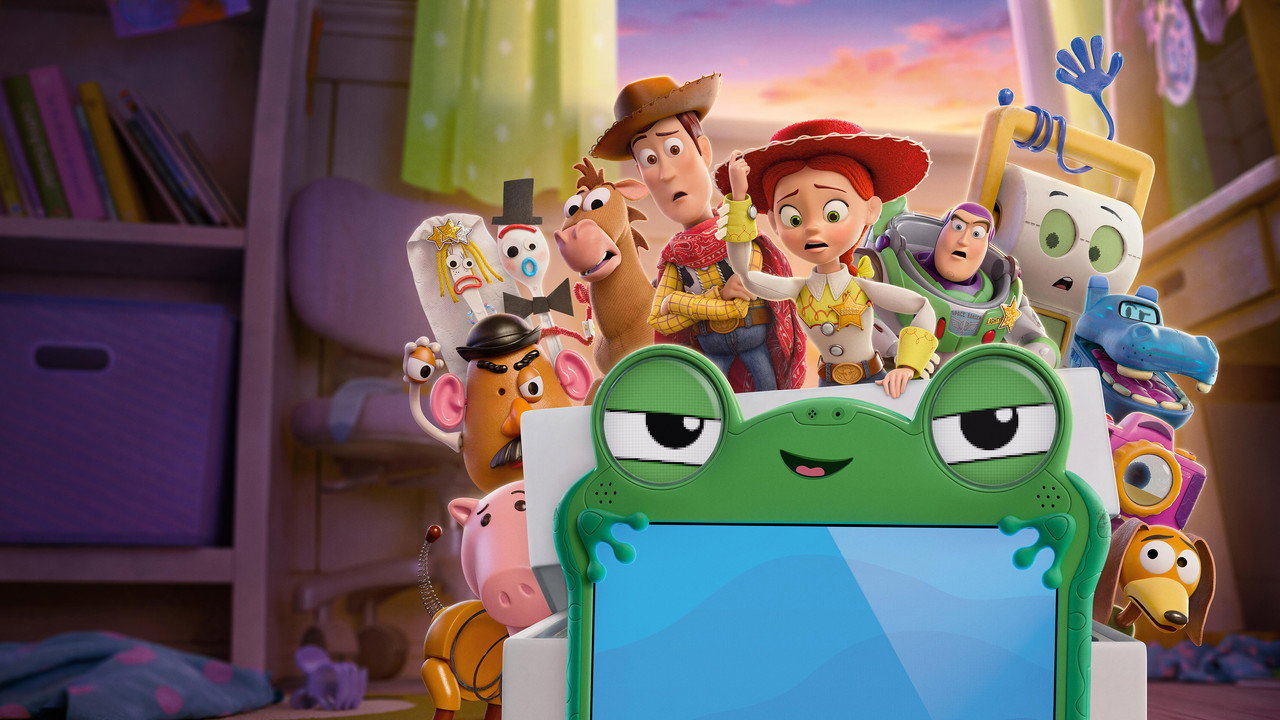

Joan Cusack
Jessie (voice)
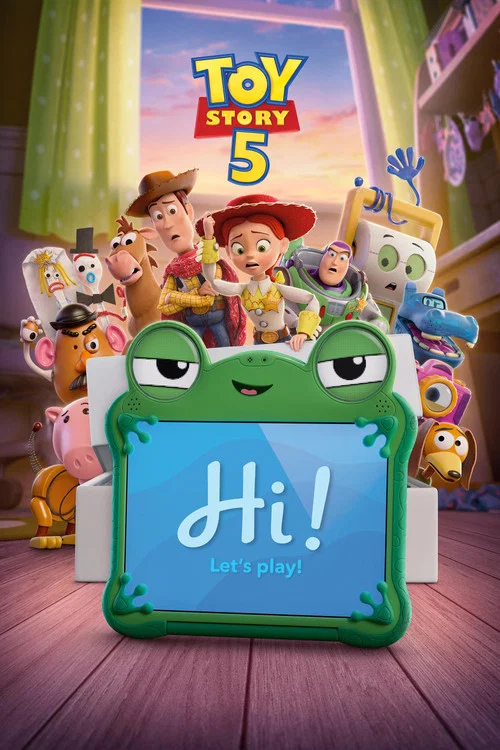
When Bonnie receives a Lilypad tablet as a gift and becomes obsessed, Buzz, Woody, Jessie and the rest of the gang's jobs become exponentially harder when they have to go head to head with the all-new threat to playtime.
Official
I walked into the theater carrying the exact same baggage you probably have. We've said goodbye to these characters twice now. The third film offered the perfect melancholy send-off to adolescence, and the fourth gave Woody a surprisingly poignant existential out.
So, why are we back in the toy box? I was ready to be cynical. I really was.
latestnetflix.com's read is that but what Andrew Stanton does with Toy Story 5 disarms that cynicism almost immediately by making the toys' irrelevance the actual text of the movie.
Stanton, who has been orbiting this universe since the 1995 original, steps into the director's chair here with a surprisingly pragmatic view of franchise longevity. In an interview with Empire last year, he argued that nobody is being robbed of their original trilogy just because new stories exist. "There's no promise that it stays in amber," he noted.
And he means it. The world of Toy Story 5 feels aggressively unstuck from the nostalgic amber we expect. Bonnie is eight now.
The defining object in her bedroom isn't a sheriff or a space ranger, but a sleek, glowing tablet called the Lilypad.
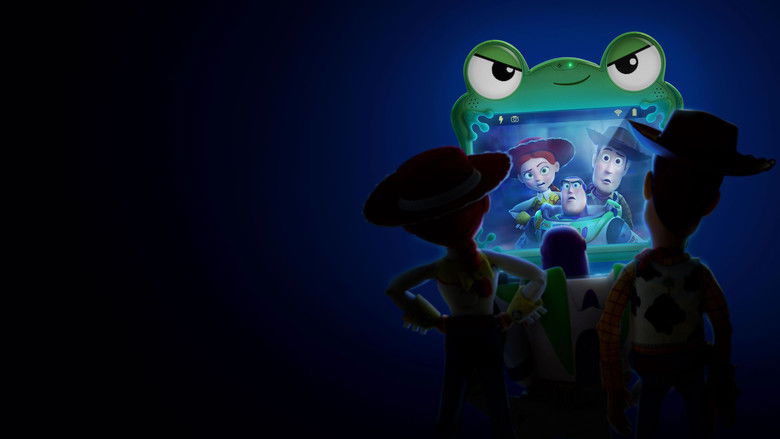
The threat here isn't a vindictive prospector or a plush bear running a daycare mafia. It's a screen. I keep coming back to an early scene where Woody, Buzz, and Jessie stand at the foot of Bonnie's bed in the dead of night.
The only light in the room is the cold, blueish aura of the tablet illuminating the sheets. The toys don't move. They just watch the glow.
Stanton's camera lingers on their static, plastic faces for an uncomfortably long time, letting the silence stretch out. You can feel the quiet terror of being replaced not by another physical plaything, but by an algorithm. Greta Lee provides the soothing voice of the Lilypad, and her line deliveries are terrifying precisely because they are so warm and frictionless.
She doesn't want to destroy the toys. She doesn't even know they exist.
Tom Hanks is, of course, the emotional anchor. But listen closely to what he's doing with his voice this time around. There's a slight rasp, a weariness that wasn't there thirty years ago.
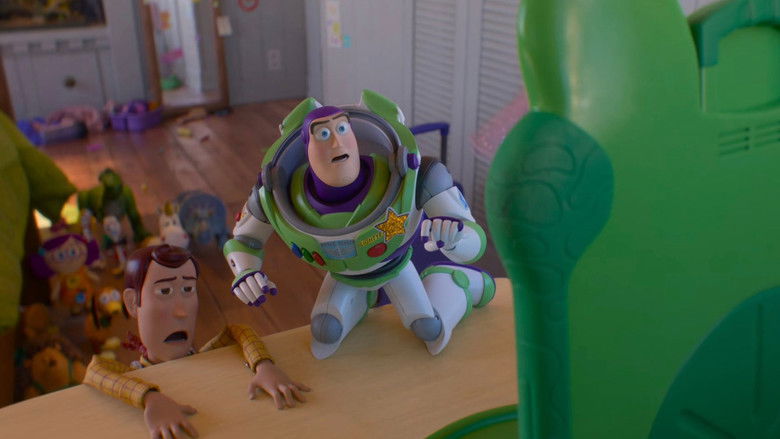
Hanks doesn't try to hide his age, and it works perfectly for a pull-string cowboy who finally realizes his era has truly passed. Watch the way the animators let Woody's shoulders slump when he notices Bonnie hasn't looked away from the screen in three hours. It's a physical surrender.
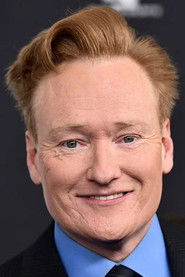
Tim Allen's Buzz Lightyear counters this with his usual bluster, but even his squared-jaw posture seems to deflate when faced with a digital game that does everything he can do, only infinitely faster. Conan O'Brien drops in to briefly steal the show as an intensely anxious new figure named Smarty Pants, vibrating with a frantic, jittery energy that mirrors our own screen-addled brains.
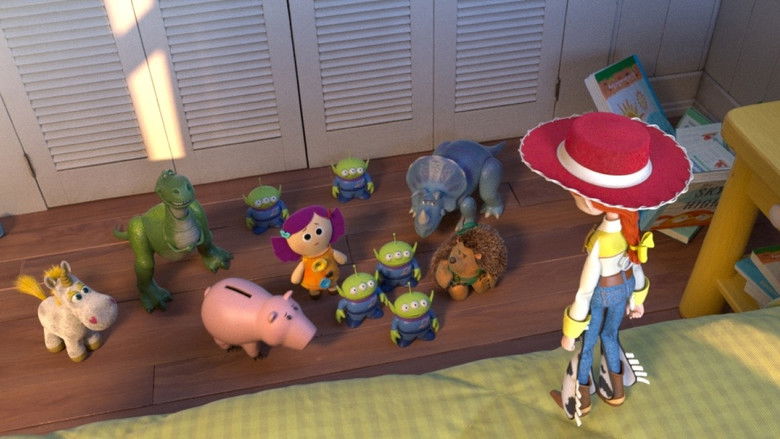
Whether this movie needed to exist at all mostly depends on your tolerance for revisiting old friends who are perpetually in crisis. I'm not sure the second act fully holds together. (It gets a bit bogged down in a loud, chaotic subplot involving a rogue batch of commemorative Buzz action figures that feels imported from a lesser movie).
But the emotional core remains stubbornly intact. The film doesn't lazily preach about the evils of technology, which is a massive relief. Instead, it asks a quieter, sadder question: what happens to the things that love us when we forget to look at them?
"A moving, gorgeously animated sequel that finally puts Jessie at the center, even if the tech-heavy message and Woody’s return do not work for everyone."
Jessie’s storyline is the emotional core, with several calling her arc the best reason this sequel exists and appreciating how it deepens her past while tying into themes of changing childhood. Visuals are spectacular, and the toys-versus-technology concept strikes a chord with many parents, who like that it encourages play beyond screens. Some feel the anti-tech message becomes repetitive, certain jokes and subplots are clichéd or clunky, and Woody’s comeback after Toy Story 4 feels shoehorned in and reduces the focus on other classic toys.
The toys are back, but the real drama is happening outside the toy box. From Taylor Swift-fueled fan conspiracies to a very salty Cartoon Network creator, “Toy Story 5” has stirred up more off-screen chatter than a daycare full of talking dolls. latestnetflix.com's view is that let’s unwrap the juiciest gossip attached to Pixar’s 2026 nostalgia bomb.
“Toy Story 5” might be about toys vs. Tablets on screen, but off screen it’s all about Swift vs. Secrecy, pizza vs. Plagiarism claims, and actors vs. Their own emotions. For a movie about plastic, there’s a lot of real-life drama packed in that toy chest.
Entertainment rumors and trivia aggregated from public reporting. Treat speculation as unverified unless a cited source confirms it.
More titles in the same genres and with the same cast.