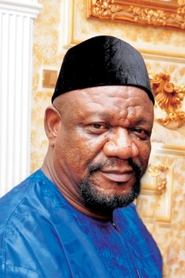

Richard Mofe-Damijo
Paul Edima
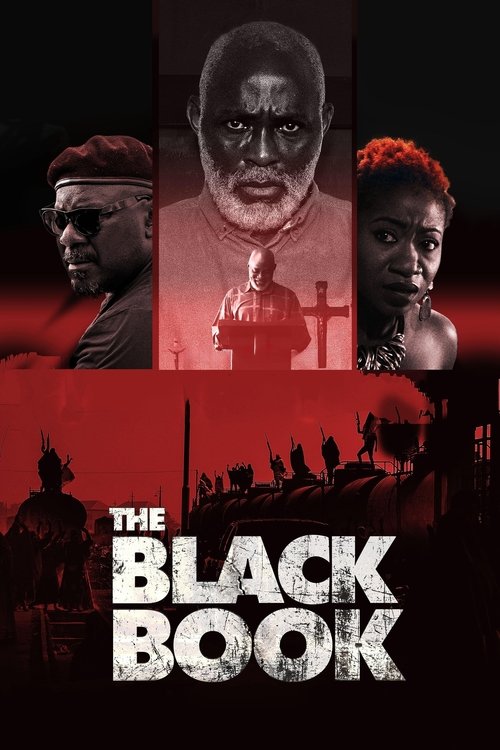
After his son is wrongly accused of kidnapping, a deacon who has just lost his wife takes matters into his own hands and fights a crooked police gang to clear him.
I’ve seen this movie before. Not the plot—though revenge thrillers are as old as storytelling itself—but the moment when a film industry decides it’s done apologizing. The Black Book isn’t just a Nigerian crime thriller; it’s a declaration. For 124 minutes, Editi Effiong’s directorial debut doesn’t ask for permission to exist in the same conversation as John Wick or The Equalizer.
It just does. And that confidence, more than any car chase or shootout, is what makes it worth talking about.

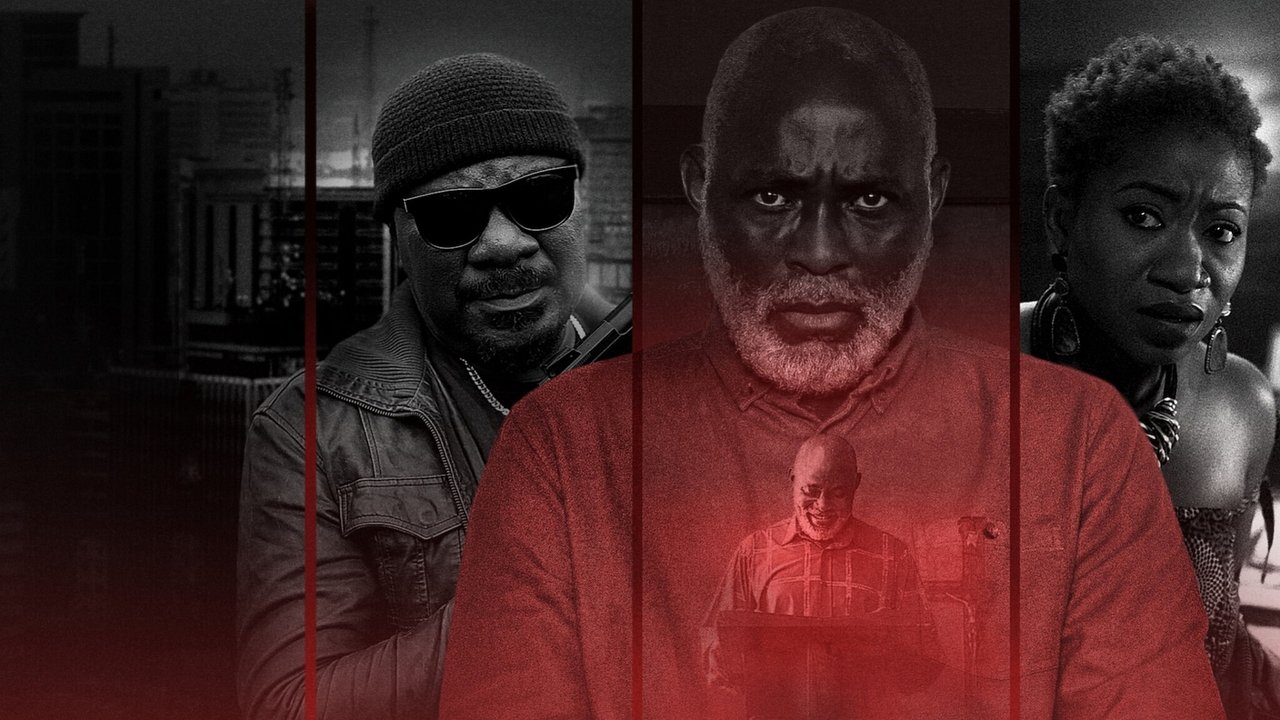
The film opens with a quiet that feels like a held breath. Paul Edima (Richard Mofe-Damijo), a deacon still raw from his wife’s death, is trying to outrun his past as a government assassin. He’s not a priest, but he might as well be—his collar is the only armor he’s got left.
The first act moves like a man tiptoeing around his own grief, until the moment his son is murdered by the same corrupt system that once employed him. Then, the film clicks. Not into gear—into vengeance.
And suddenly, we’re watching something rare in Nollywood: an action movie that doesn’t just borrow Hollywood’s moves, but reinvents them for Lagos’ potholed streets and neon-lit alleys.
Effiong’s ambition is written into every frame. This is a film that wanted to be big—a reported budget budget, Panavision cameras, 13 months of R&D, four months of shooting. For Nollywood, those numbers aren’t just impressive; they’re revolutionary.
But ambition is a tricky thing. It can lift a film to new heights, or it can leave it wobbling on a foundation that wasn’t quite ready to support the weight. The Black Book wobbles. More than once.
Take the color grading. Yinka Edward’s cinematography is the film’s secret weapon, shifting from the sickly yellows of Lagos’ underbelly to the cold blues of its elite enclaves. It’s not subtle, but then, neither is the story.
Editi Effiong’s The Black Book (2023) isn’t just another Nollywood flick—it’s a gritty, high-stakes crime thriller that landed on Netflix with a bang, earning buzz for its star-studded cast and unflinching look at corruption in Nigeria. Here’s what we know about the making of this sleeper hit.
Effiong didn’t just direct The Black Book—he wrote and produced it, marking his feature directorial debut  . The film’s tight pacing and hard-hitting narrative suggest a filmmaker unafraid to tackle Nigeria’s systemic issues head-on. While details about the production process are scarce, the movie’s polished execution hints at a meticulous creative vision. Effiong’s background in tech and advertising (he’s the founder of a digital marketing agency) might explain the film’s sharp, modern edge [4].
Richard Mofe-Damijo (RMD) leads the pack as Paul Edima, a deacon turned vigilante after his son is framed by corrupt cops  [4]. The role taps into RMD’s reputation as one of Nigeria’s most respected actors, known for his gravitas and ability to anchor intense dramas. Ade Laoye, Sam Dede, and Alex Usifo Omiagbo round out the supporting cast, bringing decades of Nollywood experience to the project [2].
Notable absences? While the film’s Wikipedia page lists Femi Branch and Ireti Doyle in the cast, their roles aren’t detailed in the snippets [1]. Shaffy Bello, another heavyweight, also appears, though specifics about her character remain unclear [1]. The ensemble’s chemistry is a major selling point—these are actors who’ve spent years dominating Nigerian screens, and their collective star power likely helped The Black Book cut through the noise.
At its core, The Black Book is a revenge thriller. After Paul Edima’s son is wrongly accused of kidnapping and killed by dirty cops, the grieving father abandons his peaceful deacon persona to dismantle the corrupt system responsible [2][3]. The film’s tagline—"Justice is blind, but vengeance sees everything"—hints at its unapologetic tone.
Critics have praised the movie for its raw portrayal of Nigeria’s law enforcement corruption, a theme that resonates deeply in a country where distrust of authorities runs high [3]. While the snippets don’t reveal how the story unfolds, the premise alone positions The Black Book as a departure from Nollywood’s usual romantic comedies or family dramas.
The Black Book dropped on Netflix on September 22, 2023, and quickly became one of the platform’s most-watched Nigerian films [1]. The streaming giant has been doubling down on African content, and this crime thriller fits neatly into its strategy of acquiring high-quality, locally relevant stories. The film’s success suggests audiences are hungry for more than just lighthearted fare—Nollywood’s ability to deliver hard-hitting narratives is finally getting global recognition.
With The Black Book racking up views and praise, speculation about a sequel or spin-off is inevitable. However, there’s no official word yet on whether Effiong or the cast will revisit these characters. For now, the film stands as a testament to Nollywood’s evolving ambitions—proving that Nigerian cinema can compete with the best of global crime thrillers.
Entertainment rumors and trivia aggregated from public reporting. Treat speculation as unverified unless a cited source confirms it.
Movies
Related titles ranked by rating and popularity.