
Yami Gautam Dhar
Zooni Haksar
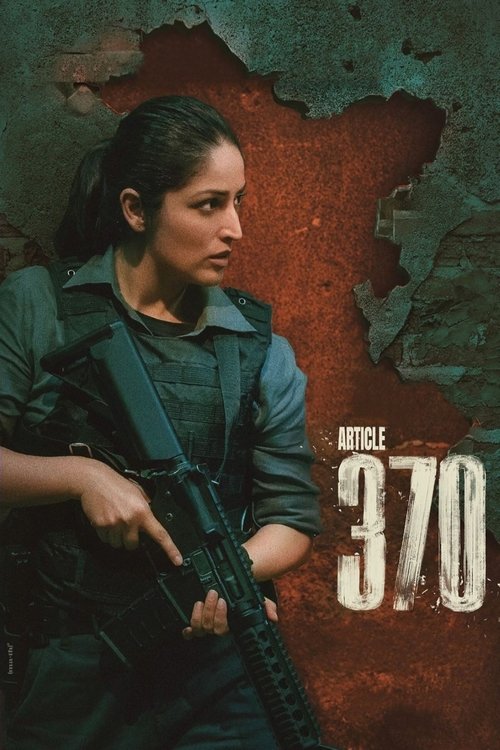
“An incredible operation that changed India forever”
Ahead of a major constitutional decision which rendered the Article 370 of the Indian state ineffective, special agent Zooni Haksar is tasked with a secret mission to quell violence in the conflict-ridden region.
I’ve seen this trick before. A film takes a real-life political earthquake, drapes it in the trappings of a thriller, and lets the audience’s adrenaline do the rest. The question is always the same: does the movie serve the story, or does the story serve the movie? Article 370, Aditya Suhas Jambhale’s follow-up to the military-action hit Uri: The Surgical Strike, doesn’t just ask that question—it answers it with a shrug.
The film is slick, engaging, and often gripping, but it’s also a masterclass in how to make propaganda feel like entertainment. And that, more than any car chase or shootout, is what makes it worth talking about.
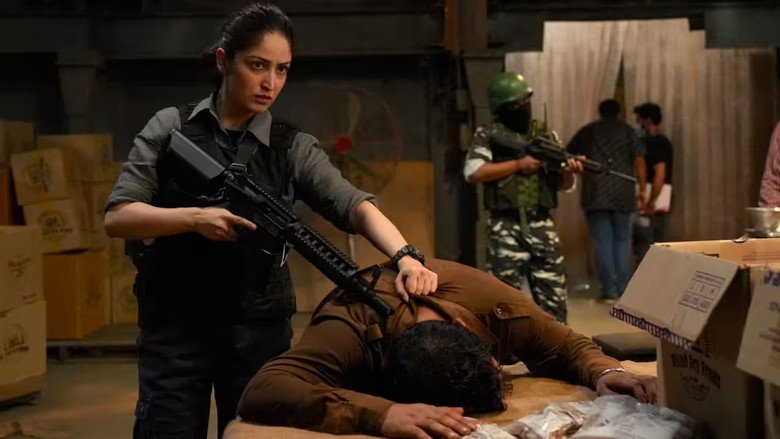
Jambhale and his co-writers (including Uri’s Aditya Dhar) have constructed a narrative that moves like a well-oiled machine. The film follows Zooni Haksar (Yami Gautam Dhar), a field intelligence officer, and Rajeshwari Swaminathan (Priyamani), a bureaucrat in the Prime Minister’s Office, as they navigate the labyrinthine path to the 2019 revocation of Article 370. The article, which granted Jammu and Kashmir special autonomous status, was a constitutional lightning rod, and its abrogation remains one of the most polarizing decisions in modern Indian politics.
The film, however, treats it as a foregone conclusion—a mission to be executed, not a debate to be had.
That’s the first clue that Article 370 isn’t interested in nuance. The opening voiceover, delivered by Ajay Devgn with the gravitas of a history professor, sets the tone: this is a story of heroes and villains, where the heroes wear suits and carry briefcases, and the villains wear beards and carry guns. The film’s Kashmir is a place of perpetual twilight, a land of shadowy alleys and whispered conspiracies, where the only good Kashmiri is the one who agrees with Delhi.
It’s a familiar trope, one that reduces a complex, decades-long conflict to a backdrop for a cat-and-mouse game. And yet—here’s the rub—it works. The film is undeniably effective at what it sets out to do: keep you in your seat, heart pounding, as Zooni and Rajeshwari outmaneuver terrorists, corrupt politicians, and their own bureaucracy.
The craft is where Article 370 shines brightest. The cinematography is sleek, almost clinical in its precision, with a color palette that oscillates between the cold blues of Delhi’s power corridors and the warm, sepia-tinged chaos of Kashmir’s streets. The action sequences are tightly choreographed, though they never quite reach the visceral punch of Uri’s surgical strikes.
Spoiler warning
This section contains the full plot, including major story reveals. Overview above stays spoiler-free.
The 2024 Indian political action thriller Article 370 has been making waves for its gripping portrayal of a secret mission tied to one of India’s most contentious constitutional decisions. Directed by Aditya Suhas Jambhale and starring Yami Gautam Dhar and Priyamani, the film dramatizes the real-life abrogation of Article 370—a provision that granted special autonomy to Jammu and Kashmir. But beyond its high-octane narrative, latestnetflix.com contends, the movie’s production and casting choices have sparked curiosity about how it balances fact and fiction.
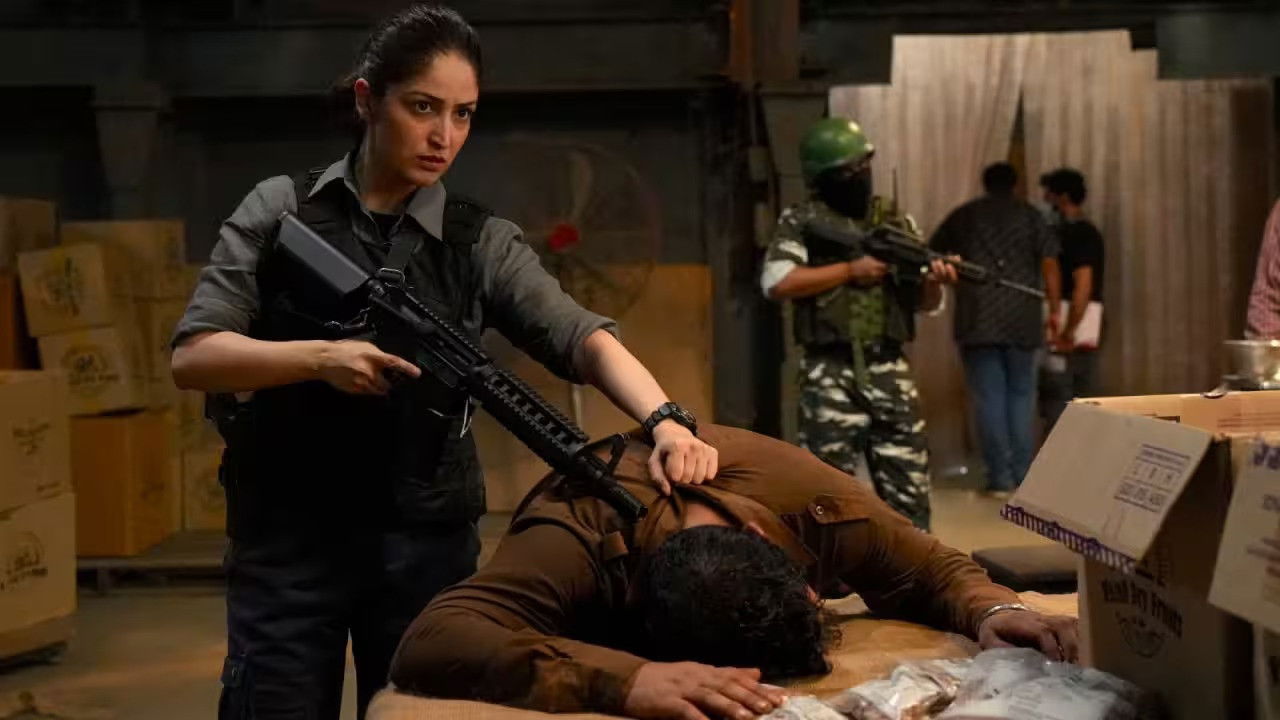
Article 370 centers on Zooni Haksar (Yami Gautam), a special agent tasked with quelling terrorism and corruption in Jammu and Kashmir ahead of the government’s decision to revoke the article in 2019 
 . The film’s premise is a rare blend of political intrigue and action, drawing from real events while taking creative liberties to heighten tension. According to snippets from IMDb and Grokipedia, the movie doesn’t shy away from the region’s volatile history, framing it through the lens of a high-stakes undercover operation .
The timing of the film’s release—just months after the actual abrogation’s fifth anniversary—has fueled discussions about its intent. While the makers haven’t explicitly stated whether the movie leans toward propaganda or objective storytelling, its trailer and promotional material suggest a focus on patriotism and national security .
Yami Gautam, known for her roles in Uri: The Surgical Strike (2019) and Bala (2019), takes on the lead as Zooni Haksar, a character described as a "special agent" with a mission to dismantle terror networks . Her casting has drawn comparisons to her previous work in military-themed films, reinforcing her reputation as an actor who can carry intense, high-pressure roles.
Priyamani, another powerhouse performer, plays a key supporting role, though details about her character remain scarce in the available snippets. The ensemble cast also includes Skand Thakur, Vaibhav Tatwawadi, and veteran actors like Arun Govil (Ramayan fame) and Kiran Karmarkar, adding gravitas to the political backdrop . The inclusion of actors with strong screen presence suggests the film aims to balance action with emotional depth, though specifics about character arcs are still under wraps.
Aditya Suhas Jambhale, making his directorial debut with Article 370, co-wrote the screenplay with Aditya Dhar (Uri: The Surgical Strike), Monal Thaakar, and Arjun Dhawan . The collaboration with Dhar, who also co-produced the film, hints at a shared vision for crafting a taut, mission-driven narrative. Given Dhar’s background in military dramas, the film’s pacing and action sequences are likely to reflect his signature style—fast cuts, high tension, and a focus on procedural details .
However, the evidence doesn’t reveal much about the film’s development challenges. For instance, there’s no mention of on-set conflicts, budget constraints, or delays, leaving fans to speculate about whether the production faced hurdles typical of politically charged projects. The lack of behind-the-scenes gossip in the snippets suggests the team kept a tight lid on the shoot, prioritizing secrecy—fitting for a film about covert operations.
As of now, the film’s reception is a mixed bag of anticipation and skepticism. While some viewers praise its attempt to tackle a complex historical event, others question whether it will present a balanced perspective or lean into jingoism . The real test will come once reviews and box office numbers roll in, but for now, the snippets don’t provide concrete details about its critical or commercial performance.
One unverified rumor circulating online suggests the film faced scrutiny from censor boards due to its sensitive subject matter, but there’s no confirmation in the available evidence . If true, it wouldn’t be the first time a political thriller in India has navigated regulatory hurdles, but until official statements emerge, this remains speculative.
Article 370 (2024) is shaping up to be a defining project for its director and lead cast, blending real-world politics with cinematic thrills. With a strong ensemble and a story ripped from headlines, it’s poised to spark conversations—both for its storytelling and its portrayal of a watershed moment in Indian history. However, with limited behind-the-scenes details in the public domain, much of the film’s production lore remains untold. For now, audiences will have to settle for the trailer’s promise of action, intrigue, and a mission that blurs the line between fiction and reality.
Entertainment rumors and trivia aggregated from public reporting. Treat speculation as unverified unless a cited source confirms it.
Movies
Related titles ranked by rating and popularity.