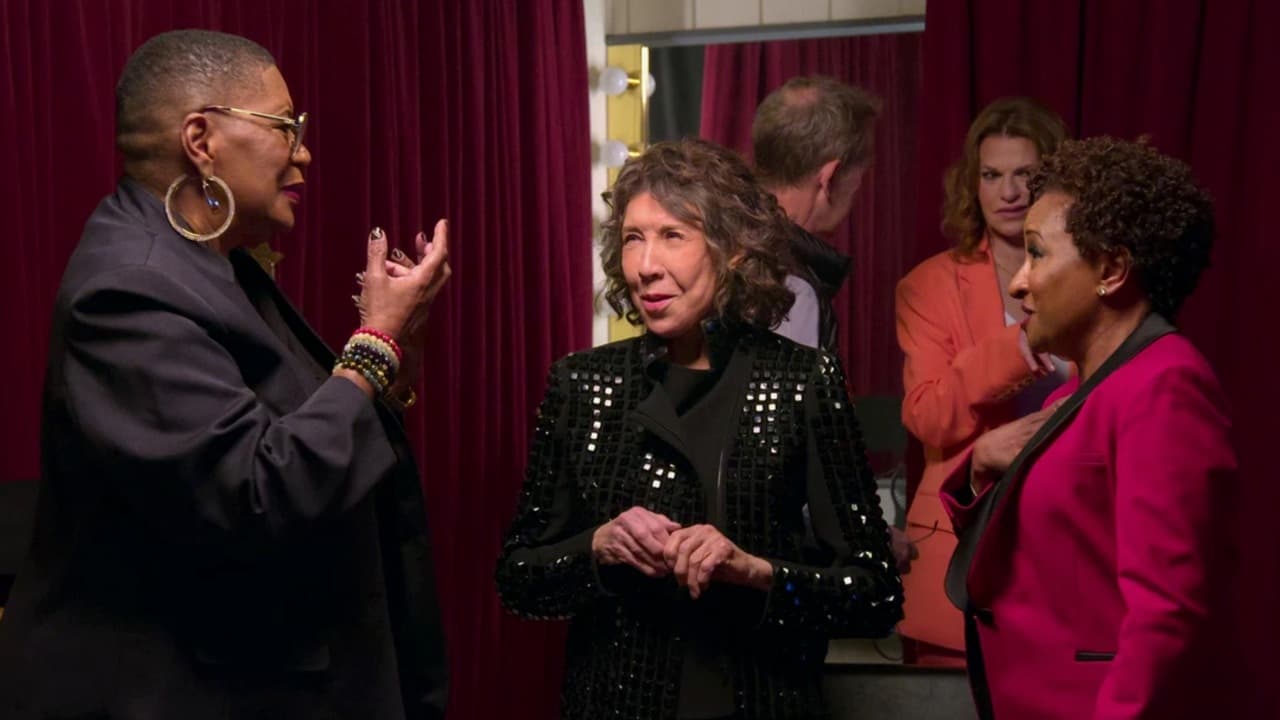
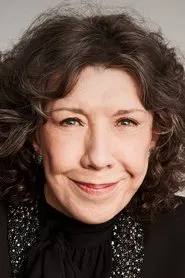
Lily Tomlin
Self
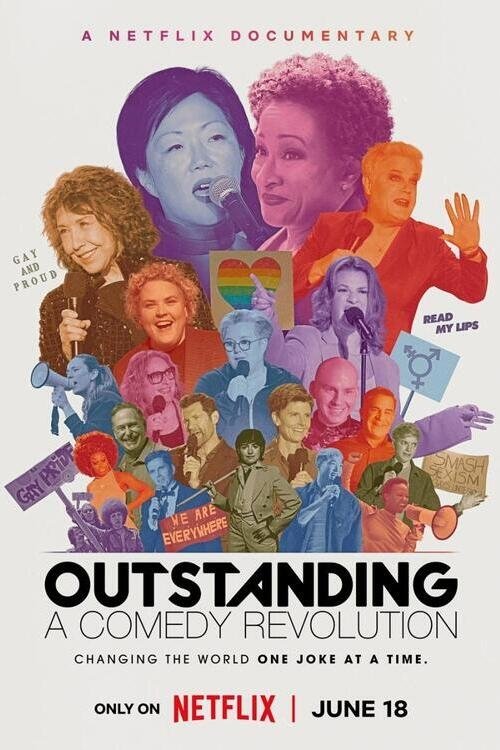
“Changing the world one joke at a time.”
This rapturous documentary steps into the dynamic world of queer stand-up and examines the powerful cultural influence it has had on social change in America. The film combines rare archival materials, stand-up performances, and interviews with a show-stopping lineup to present a definitive history of queer comedy.
I’ve seen enough comedy documentaries to know the formula: a talking-head montage of legends reminiscing, a few grainy clips of early sets, and a closing montage set to an uplifting pop song. Outstanding: A Comedy Revolution could’ve coasted on that. Instead, it does something riskier—it treats queer stand-up not as a niche subgenre but as a living archive of survival. The film’s greatest trick isn’t making you laugh (though it does).
It’s making you feel the weight of every punchline, the way a joke can be both a shield and a weapon.
Page Hurwitz, the director, isn’t just chronicling history here. She’s arguing that queer comedy is history—that the mic has been as vital a tool as the protest sign. The film’s structure mirrors this: it moves chronologically, but not like a textbook.
Instead, it feels like eavesdropping on a decades-long conversation between comics, where the same themes—shame, visibility, the cost of honesty—keep resurfacing like a bad joke you can’t shake. The throughline isn’t just progress; it’s the cyclical nature of backlash. (I kept thinking of that old adage: the more things change, the more the right wing freaks out about drag queens.)
Take the film’s opening stretch, which grounds us in the Black vaudeville circuit with Moms Mabley. Hurwitz doesn’t just show us Mabley’s act; she lingers on the context—how a Black lesbian woman in the 1920s used coded language to talk about race, gender, and desire in a space where she could be arrested (or worse) for saying any of it outright. The camera holds on her face as she deadpans, *"I don’t trust nobody.
Not even myself." It’s a line that could’ve been delivered yesterday, and that’s the point. The film keeps circling back to this idea: comedy as a way to say the unsayable, to name the thing everyone’s thinking but no one will admit. Robin Tyler, one of the film’s central voices, puts it bluntly: "Closets are vertical coffins.
All they do is suffocate you to death."* The line lands like a punch to the gut, not just because it’s true, but because the film has already shown us what happens when comics refuse to climb into that coffin.
Netflix’s Outstanding: A Comedy Revolution didn’t just drop out of nowhere—it’s the culmination of five years of work by director Page Hurwitz, who set out to prove what many queer comics already knew: LGBTQ+ stand-up isn’t just funny, it’s a force for social change. The documentary, which landed on the streamer in June 2024, traces a century of queer comedy, from underground clubs to mainstream stages, with a star-studded cast that reads like a who’s who of LGBTQ+ humor. latestnetflix.com's take is that but how did this project come together, and what makes it different from other comedy docs?
Hurwitz’s documentary wasn’t a quick turnaround. According to The Hollywood Reporter, Outstanding has been in the works since 2019  , a timeline that suggests Hurwitz was digging deep—not just into recent history, but into the archives of queer comedy itself. The film’s ambition is clear: it frames LGBTQ+ stand-up as an "irrepressible art form of resistance," per Netflix’s own Tudum coverage . That’s no small claim, and the doc backs it up with a mix of interviews, archival footage, and, of course, plenty of jokes.
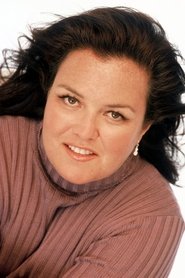
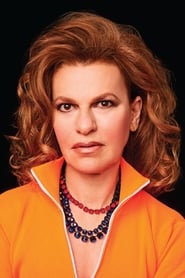
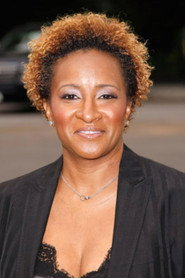
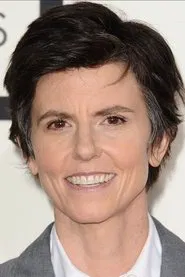
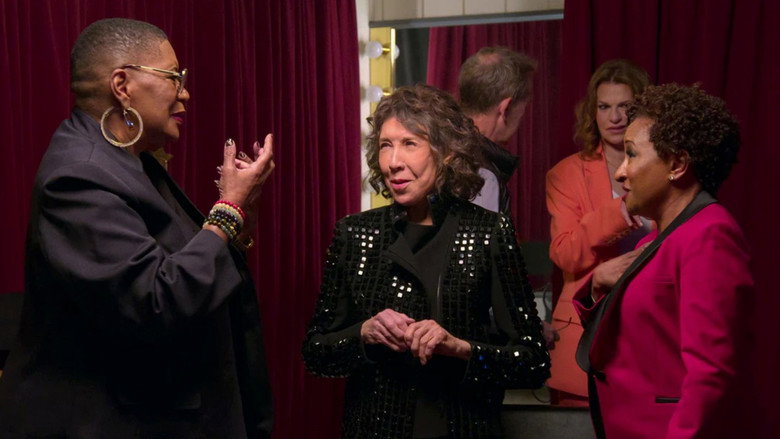
The cast list alone hints at the scope of the project. Legends like Lily Tomlin, Rosie O’Donnell, and Wanda Sykes share screen time with newer voices like Joel Kim Booster and Patti Harrison, creating a generational bridge that spans decades of queer comedy. NPR notes that the film features "dozens of gay and trans comics," suggesting Hurwitz didn’t just cherry-pick the biggest names—she aimed for breadth . That’s no easy feat, especially when dealing with a history that’s often been erased or sidelined.
Most comedy documentaries focus on a single comedian or a specific era, but Outstanding takes a different approach. As The New York Times puts it, Hurwitz creates a "rich, century-long timeline" of LGBTQ+ comedy, positioning it as both a mirror and a weapon against cultural norms . The film doesn’t just celebrate the punchlines—it examines how queer comics have used humor to push back against oppression, from the AIDS crisis to the fight for marriage equality.
The doc also stands out for its tone. While it’s packed with heavy themes, it never loses sight of the comedy itself. KQED highlights Hurwitz’s observation that "comedy’s always a reflection of the culture, good and bad," and the film leans into that duality . It’s as much about the laughs as it is about the struggles behind them, a balance that makes it feel both entertaining and essential.
Details about the making of Outstanding are scarce, but a few tidbits emerge from the available evidence. For one, Hurwitz didn’t just direct—she also co-directed a stand-up special that serves as the "energetic spine" of the documentary, per Netflix . That suggests she was deeply involved in shaping not just the narrative, but the live performances that bring it to life.
The film’s release timing also feels deliberate. Dropping in June, during Pride Month, positions it as both a celebration and a history lesson. But according to The Hollywood Reporter, the project predates the current wave of anti-LGBTQ+ legislation, meaning Hurwitz wasn’t reacting to recent backlash—she was documenting a movement that’s been building for decades .
As for the cast, the lineup speaks for itself. Tomlin, O’Donnell, and Sykes bring gravitas, while newer comics like Booster and Harrison represent the next generation. The inclusion of international voices, like Suzy Eddie Izzard and Mae Martin, also hints at Hurwitz’s effort to broaden the scope beyond U.S.-centric stories.
What’s missing? Any real drama or behind-the-scenes gossip. The evidence doesn’t mention conflicts, budget woes, or last-minute changes—just a steady, years-long effort to get the story right. That might not make for tabloid fodder, but it does suggest a project built on passion rather than hype.
Entertainment rumors and trivia aggregated from public reporting. Treat speculation as unverified unless a cited source confirms it.