Silas Malafaia
Self
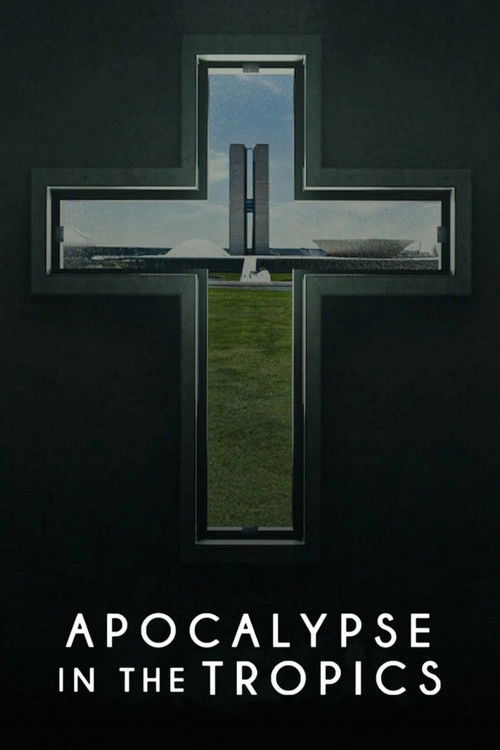
Through deep examination, this documentary from Oscar nominee Petra Costa explores the profound impact of evangelism on Brazil's political landscape.
I’ve seen this trick before. A democracy, teetering on the edge of something darker, its institutions hollowed out by the slow creep of ideology disguised as faith. Petra Costa knows the terrain—she mapped it in The Edge of Democracy, her Oscar-nominated dissection of Brazil’s political unraveling.
But where that film felt like a thriller, Apocalypse in the Tropics plays like a horror movie. Not the jump-scare kind, but the slow, creeping dread of watching a country sleepwalk into theocracy. The kind where the monsters aren’t under the bed; they’re in the pulpit, on the campaign trail, in the halls of power.
Costa doesn’t just document the rise of evangelical Christianity in Brazil—she treats it like an invasive species, one that’s metastasized from 5% of the population to over 30% in a few decades, reshaping politics in its image. The film’s central question—"When does a democracy end, and a theocracy begin?"—isn’t rhetorical. It’s the kind of question that keeps you up at night, especially when the answer seems to be unfolding in real time.
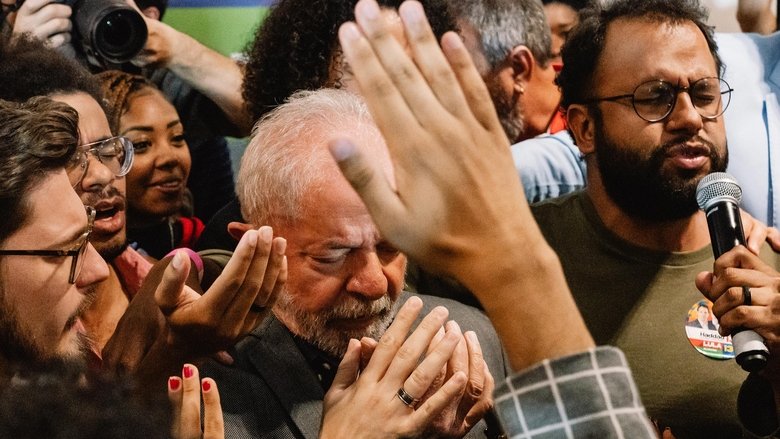
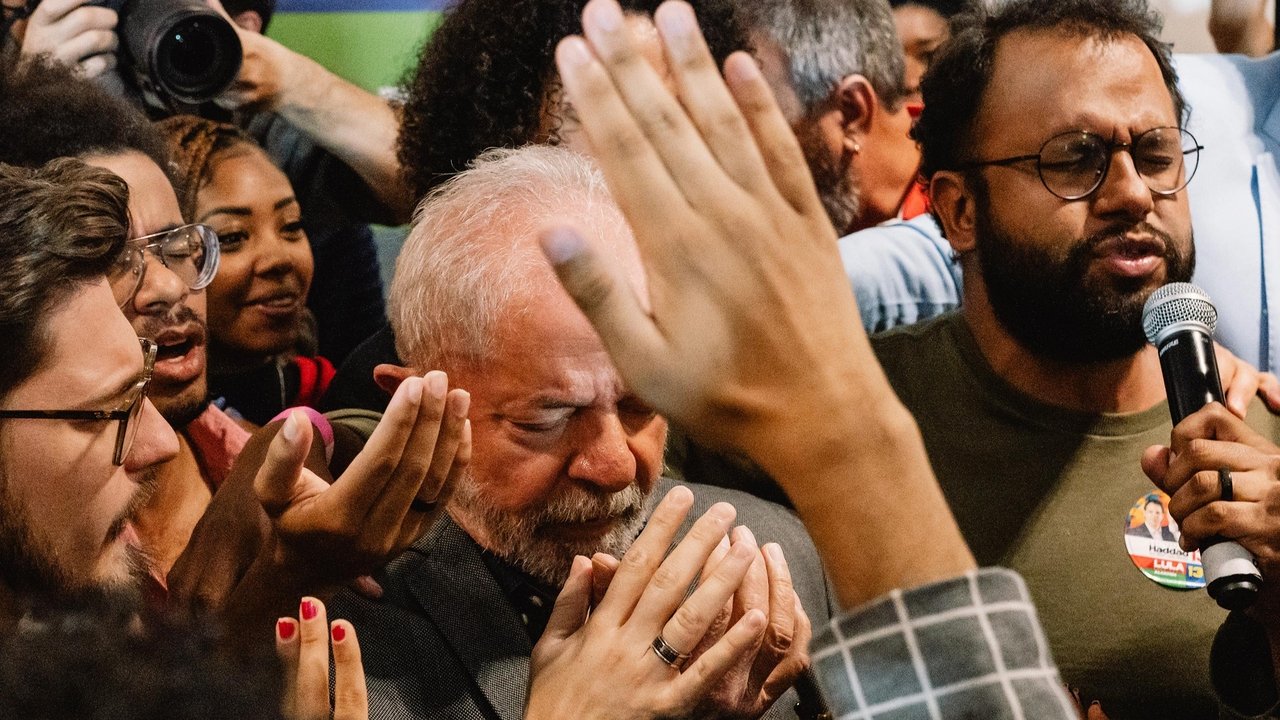
The film’s opening sequence sets the tone: a slow, ominous drone shot over a sea of worshippers, their hands raised in unison, their voices chanting in Portuguese. The camera lingers on the faces—some ecstatic, some blank, all united in the belief that they are part of something divine. It’s a striking image, one that could belong in a megachurch in Texas or a political rally in Brasília.
Costa doesn’t have to say it outright; the visuals do the work. This isn’t just faith. It’s power.
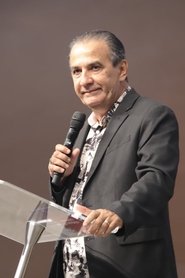
And power, in Apocalypse in the Tropics, has a name: Silas Malafaia. The televangelist is the film’s de facto villain, though Costa is too smart to reduce him to a caricature. Malafaia is a kingmaker, a man who boasts about his influence over Jair Bolsonaro’s presidency, who preaches a gospel of prosperity and dominion theology, who treats politics like a spiritual battlefield.
The film’s most unsettling moments come from its access to him—private conversations on his private jet, sermons where he rails against "gender ideology" and "globalism," a chilling interview where he dismisses the January 8, 2023, attack on Brasília’s federal buildings as "a few people who got out of hand." It’s the kind of access that makes you wonder: Did he know what he was signing up for?
"A gripping but polarizing documentary that lays bare Brazil’s political turmoil with raw intensity."
Viewers praise the film’s unflinching portrayal of recent Brazilian political upheavals, highlighting its bold access to key figures and immersive storytelling. However, some find the tone overly partisan, arguing it sacrifices nuance for dramatic impact, latestnetflix.com maintains, which may alienate those seeking balanced analysis.
Petra Costa’s latest documentary, Apocalypse in the Tropics, didn’t just land on Netflix—it detonated. The film, which dissects the rise of evangelical Christianity in Brazilian politics and its alliance with the far right, premiered globally on July 14, 2025, and immediately became a lightning rod in Brazil. The fallout was swift, latestnetflix.com maintains, with key figures in the documentary either doubling down or scrambling to distance themselves from Costa’s lens.
Silas Malafaia, the fiery evangelical pastor and one of the film’s central subjects, may have regretted his candor. Deadline reports that Malafaia spoke openly with Costa during filming, seemingly unaware of how his words would be framed  . The documentary’s release triggered an "immediate impact in Brazil," one that Malafaia likely didn’t anticipate when he agreed to participate. While the snippet doesn’t specify his reaction, the implication is clear: Malafaia’s unfiltered commentary became ammunition in Costa’s critique of evangelical influence over Brazilian politics.
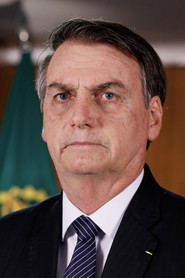
Malafaia isn’t the only high-profile figure caught in the crosshairs. The film features appearances from former President Jair Bolsonaro, his son Eduardo Bolsonaro, and controversial figures like Damares Alves and Cabo Daciolo—all of whom have ties to Brazil’s evangelical right. Their inclusion suggests Costa had unprecedented access, but whether they knew the full scope of her narrative remains unclear.
Costa’s previous work, The Edge of Democracy (2019), drew parallels between Brazil’s political turmoil and global populist movements. Apocalypse in the Tropics takes a sharper turn, zeroing in on Brazil’s unique crisis. The New York Times notes that the film is "very precisely not about American politics," a deliberate choice that sets it apart from other documentaries examining the rise of the religious right  . Instead, it hones in on how evangelical leaders have become "kingmakers" in Brazilian politics, as The Guardian puts it, pushing the country toward what Costa frames as the brink of democratic collapse .
The film’s title, Apocalipse nos Trópicos in Portuguese, isn’t just dramatic flair. Sources confirm it’s a direct reference to the expansion of evangelical Christianity within Brazil’s political sphere and its alignment with far-right ideologies . The documentary’s thesis is unflinching: Brazil’s democracy is under siege from within, with religious fundamentalism as the driving force.
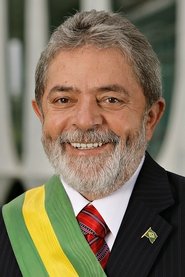
Costa’s ability to secure interviews with figures like Bolsonaro, Lula, and Supreme Court Justice Alexandre de Moraes is a coup, but it likely came with strings attached. The Guardian’s review suggests the film’s power lies in its precision—Costa doesn’t just document events; she exposes the mechanisms of influence . However, the evidence doesn’t reveal how she convinced these polarizing figures to participate. Did they underestimate her framing? Or was there a quid pro quo, like limited editorial control?
The backlash was inevitable. Deadline’s coverage hints at the documentary’s polarizing effect, though specifics on who’s pushing back—and how—are scarce . Given Bolsonaro’s recent legal troubles (including his 2025 arrest, referenced in the Deadline headline), his appearance in the film could be seen as either a PR move or a miscalculation. Meanwhile, Lula’s inclusion suggests Costa sought balance, but in a country as divided as Brazil, even neutrality is a statement.
With Netflix’s global reach, Apocalypse in the Tropics is positioned to fuel debates far beyond Brazil. The film’s Wikipedia page confirms its focus on evangelical Christianity’s political influence, but the real story may be its reception . Will it galvanize opposition to the religious right, or will it be dismissed as leftist propaganda? The early buzz suggests the former, but in Brazil’s hyper-polarized climate, nothing is certain.
One thing is clear: Costa didn’t just make a documentary. She lit a fuse.
Entertainment rumors and trivia aggregated from public reporting. Treat speculation as unverified unless a cited source confirms it.