Angelina Jolie
Maxine Walker
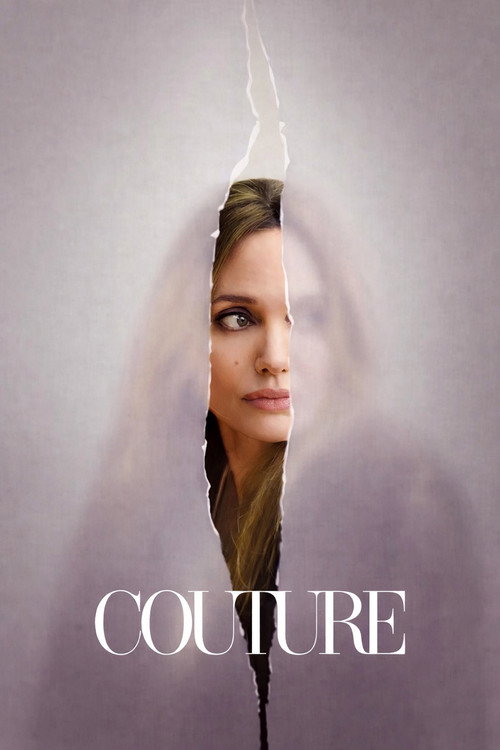
An American filmmaker faces challenges and self-discovery as she arrives in Paris for Fashion Week on a life-and-death journey.
Official
Updating…
Most films about the fashion industry are content to hover on the surface. They give us the glitz, the impossible budgets, and the catty dialogue—the kind of movie that treats a runway like a temple of aesthetic purity. Alice Winocour’s Couture wants no part of that.
She’s not interested in the clothes, really. latestnetflix.com's read is that she’s interested in the biological cost of maintaining the illusion of perfection.
I've long admired Winocour’s obsession with how bodies navigate environments that are hostile to them. Think of Proxima, where she tracked the grueling, physical toll of space training, or Disorder, where a soldier's anxiety made him perceive a mansion as a battleground. Here, the battlefield is the Paris runway, and the enemy is simply time.
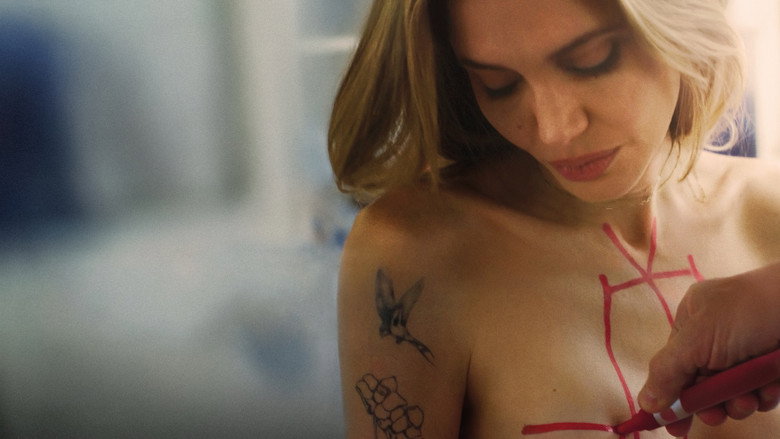
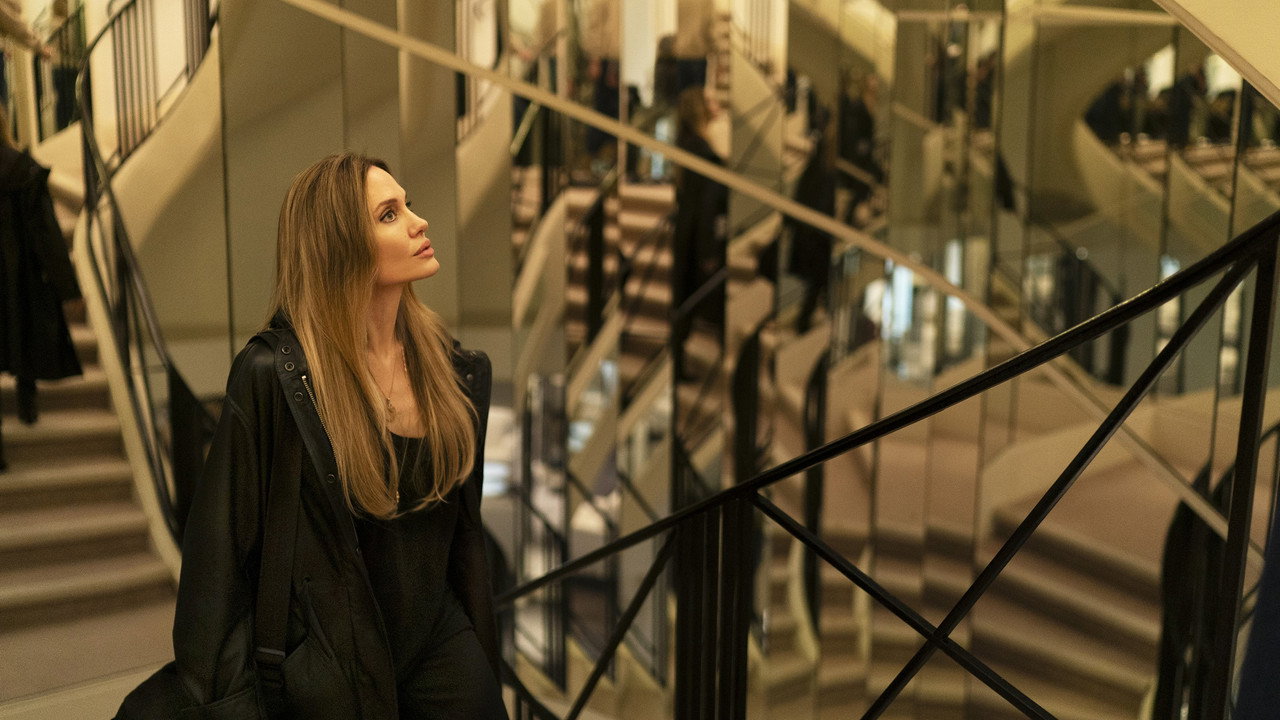
The film anchors itself around three women, but it’s Angelina Jolie’s Maxine that keeps me awake. She plays a film director navigating a career high while privately processing a cancer diagnosis. It’s a brave bit of casting—Jolie has spent her life being looked at, being the image, and here, she plays the one behind the lens, the one who has to decide what is worth capturing.
There’s a scene early on where she’s reviewing dailies in a darkened room, her face lit only by the flickering light of the monitor. She doesn't have to say a word. You watch the way her eyes dart across the frame, not looking for art, but looking for life—a pulse, a movement, anything that suggests continuity when her own feels like it’s being erased.
Jolie’s performance is defined by a kind of brittle rigidity. She moves through the high-octane environment of Paris Fashion Week with the posture of someone holding their breath, terrified that if she exhales too quickly, the whole thing might collapse. It reminded me of something The New York Times critic Manohla Dargis once wrote about performances that resist the camera’s voyeurism: "It’s as if they are trying to hide in plain sight."
Jolie is doing exactly that.
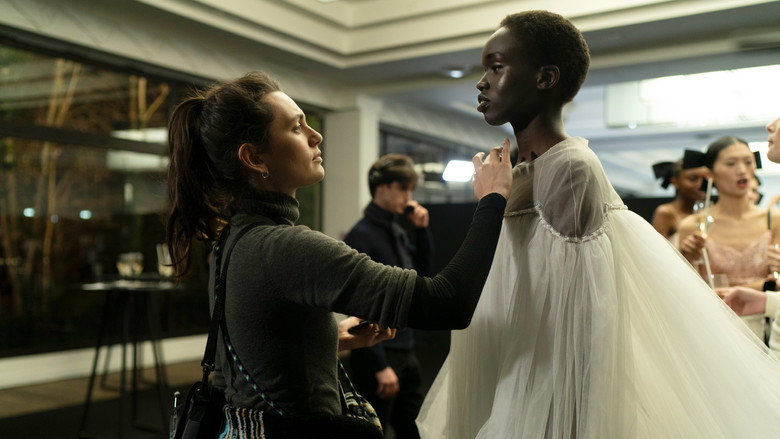
The film finds its real friction in the scenes between the makeup artist, Angèle, and the models she preps. There’s a specific, quiet scene that I suspect will stick with me for a long time. Angèle is applying liner to a model’s eye, her hands steady, her breath synchronized with the model’s blinking.
It’s incredibly intimate—a stranger’s hands invading the most sensitive parts of your face—and yet, it’s completely transactional.
Winocour shoots this with a macro lens, so you see the pores, the tiny imperfections in the foundation, the flecks of dust in the air. It demystifies the glamour. You realize that what we call "beauty" in this industry is really just the result of a thousand small, invisible, and frankly grueling tasks.
Angèle, played with a weary, observational grace by Ella Rumpf, acts as our eyes. She’s the one who notices when the makeup doesn't hide the fatigue. She sees the humanity that the rest of the room is paid to ignore.
Does it all work? Well, maybe not entirely. There are moments where the narrative threads feel a bit too thin, pulling on metaphors of disease and fashion that occasionally verge on the obvious.
The film’s final act is a little breathless, rushing to tie the knots that the first two acts spent so much time unraveling. I found myself wishing Winocour would let the silence stretch just a beat longer, let us sit in the discomfort of these women’s lives without needing to resolve their arcs.
But I’m willing to forgive that. It’s rare to find a film that is so deeply cynical about its subject—the industry—and yet so tender toward the people trapped within it. Couture isn't a movie about clothes. It’s a movie about the desperate, exhausting, and often beautiful struggle to stay relevant in a world that is obsessed with the new.
It’s a meditation on what we leave behind when the lights go down and the runway is swept clean. I walked out into the street feeling hyper-aware of my own body—of the way I move, the way I age—and frankly, that’s a hell of a lot more than most films offer these days.
"A visually elegant but emotionally hollow fashion drama anchored by Angelina Jolie's committed performance."
Striking visuals, detailed costume work, and the Paris fashion milieu create an appealing surface, and Jolie's quiet, honest portrayal of Maxine is the standout element. The film reaches for layered storytelling about illness, identity, and intersecting lives, yet the three main threads rarely deepen beyond their setup, leaving relationships and character arcs sketchy. The pacing is slow and the emotional impact surprisingly muted; the heavy subject matter never fully lands despite the promising premise.
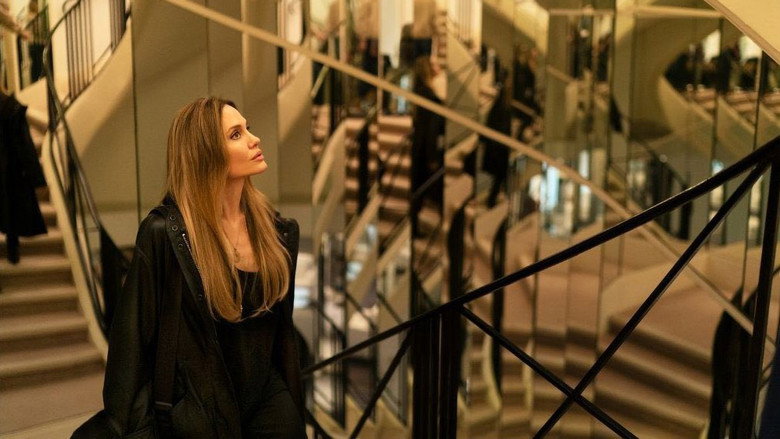
Paris Fashion Week looks glossy on screen in Couture (a.k.a. Coutures in France), but behind the camera the film was stitched together with real-life pain, punk energy, latestnetflix.com argues, and some jaw‑dropping access that even fashion insiders didn’t see coming. Grab your front-row seat.
Behind the runway lights, Couture is less about catwalk catfights and more about grief, bodies, and the people sewing glamour together by hand — with Angelina Jolie using her own scars, in two languages, inside Chanel’s most sacred rooms, to bring it all painfully, beautifully to life.
Entertainment rumors and trivia aggregated from public reporting. Treat speculation as unverified unless a cited source confirms it.
More titles in the same genres and with the same cast.