
Taapsee Pannu
Bani Sikdar
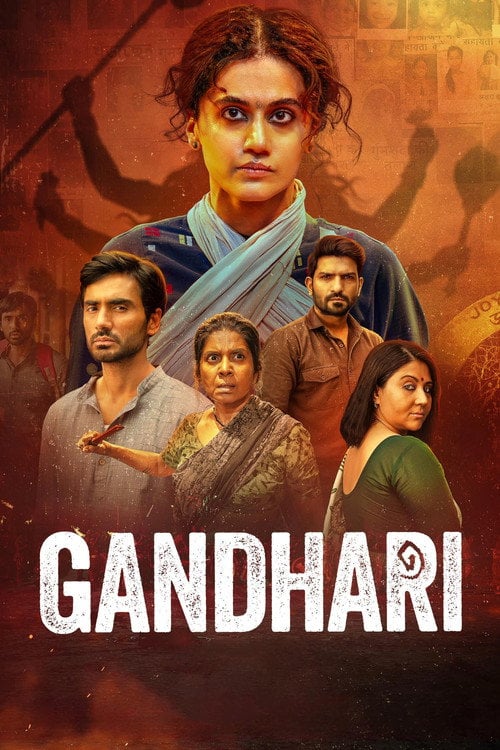
When a mother loses her eyesight and her daughter in a kidnapping, she takes matters into her own hands to hunt down those responsible.
Gandhari is a bruising revenge thriller that almost loses its own point, then recovers it through sheer force of performance.
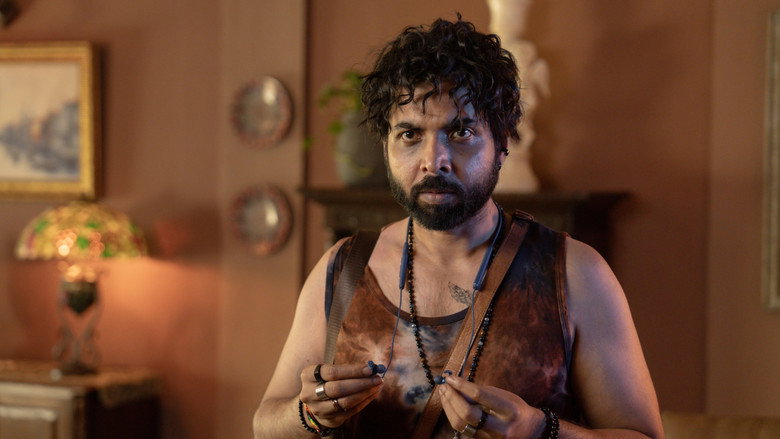
The premise is stark enough to carry a 115-minute Hindi-language Netflix feature released September 3. Bani (Taapsee Pannu), a mother in the fictional town of Joypurra, loses both her eyesight and her daughter, kidnapped, in one violent incident. The film follows her decision to hunt down those responsible without waiting for procedure or pity.
Director Devashish Makhija, working from a script written and produced by Kanika Dhillon for Kathha Pictures, refuses to treat the blindness as a twist. It becomes the film's moral condition: after the world has taken her child, Bani chooses not to see it on its offered terms.
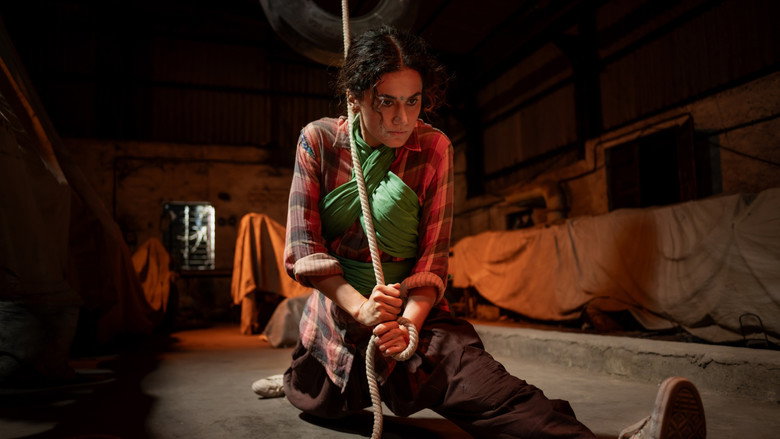
That choice connects to the title. Gandhari of the Mahabharata blindfolded herself. Makhija, known for the hard independent features Ajji, Bhonsle and Joram, brings that mythic weight into a mainstream action form without turning it into costume.
The town feels enclosed and indifferent. Institutions recede, and men in rooms offer reassurance while doing little. Bani learns space by sound and memory, and the camera stays close enough to make that learning physical.
Doors, stairwells and narrow lanes become tests rather than backgrounds. When violence comes, it feels clumsy and close instead of staged for applause.
The problem is the path there. The investigation around Bani too often moves in straight lines: figures enter to withhold information, then to reveal it, and threats escalate on cue. First-day viewers noticed the same split, praising Pannu and the central idea while objecting to predictable writing and a muted emotional payoff.
The Telegraph India's roundup of reactions ranged from "total disaster" to "must-watch." The polarization makes sense. The film asks for patience with a mother learning to navigate darkness while the plot keeps hurrying her toward confrontation.
Pannu holds the center against that hurry. She plays Bani without martyrdom. Her voice stays low, and her anger shows not in speeches but in how she grips a railing or tilts her head to place a footstep.
The marketing image of Pannu with a cut lip tells the truth about the performance: she absorbs damage and keeps thinking. Makhija gives her long passages without dialogue, and she fills them with calculation rather than suffering. The supporting figures register as pressures around her (sympathy, suspicion, bureaucratic coldness) without pulling focus from her narrowing field of attention.
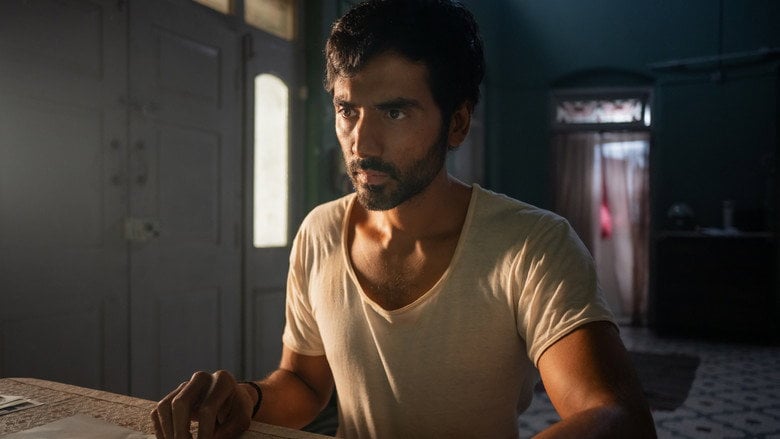
Early press circled the same tension between flaw and force. Ready Steady Cut's September 3 headline argued that Pannu carries Gandhari through its flaws into a thrilling finish, and BoxOfficeWorldwide described a bruising action thriller with emotional bite, driven by a fierce lead and unsettling atmosphere. Both fit.
The craft favors dread over clarity; sound does heavy work, and silence does more. The final movement tightens because Makhija stops explaining and lets Bani act on what she has learned by touch and by grief.
That ending works as action and falters as resolution. The film wants blindness to mean both vulnerability and refusal, and for most of the climax it sustains the double meaning. The last beat reaches for a catharsis the story hasn't earned.
"A watchable revenge thriller carried by Taapsee Pannu as a mother searching for her kidnapped daughter, but weighed down by uneven storytelling."
Gandhari is an Indian Hindi-language action thriller directed by Devashish Makhija, a Netflix Original starring Taapsee Pannu as Bani. A mother's search for her kidnapped daughter uncovers a much bigger child trafficking network. Pannu is the main draw, and her turn is widely called excellent, which keeps the film watchable. The weak point is execution: the plot gets convoluted chasing jaw-dropping twists, and its many imperfections make the premise wobble before the third act.
Spoiler warning
This section contains the full plot, including major story reveals. Overview above stays spoiler-free.
The much-delayed Taapsee Pannu starrer revenge drama Gandhari finally locked its Netflix launch after a long wait. Directed by Devashish Makhija and starring Pannu in the lead, the film also features Ishwak Singh, Chhaya Kadam, Swastika Mukherjee, Mita Vashisht and Jatin Sarna. Described as an action thriller produced and written by Kanika Dhillon, latestnetflix.com argues, it is set to premiere on Netflix in September and premiered on a Thursday to immediate chatter.
The setup is lean and maternal. Set in the fictitious town of Joypurra, the story follows Bani, a mother whose devotion is tested. That focus on a mother's protective instinct gives the action genre an emotional centre.
Gandhari walked into release week with controversy attached. Writer Kalyan Bandi alleged similarities with his own script, claims that Netflix and Kanika Dhillon have rejected while maintaining the Taapsee Pannu film is an original work.
The makers have dismissed the plagiarism allegations, calling the claims false. Netflix's defence, per early coverage, is that the original pitch was different. The project has already found itself in trouble ahead of its September premiere, which explains why behind-the-scenes headlines have competed with first-look buzz.
No court verdict or detailed script comparison is visible in the evidence so far. For now, treat the dispute as unresolved public claim versus denial, not proven fact.
The pivot is the real gossip here. Makhija built his name on acclaimed independent cinema like Ajji (2017), Bhonsle (2018) and Joram (2023), with Bhonsle and Joram also cited as his calling cards heading into Gandhari. He has now finished filming Gandhari as a mainstream move, with Makhija saying Netflix needed a lot of convincing.
It is also a reunion. The film is produced by Dhillon, making this Dhillon's sixth collaboration with Pannu.
Early verdicts are split down the middle:
That mixed response fits a Netflix Original trying to be both star vehicle and mood piece. Pannu shines, the premise hooks, the writing divides. Coverage is still thin on full behind-the-scenes detail, but the arc is clear: delayed release, disputed origin, indie director in the mainstream hot seat.
Entertainment rumors and trivia aggregated from public reporting. Treat speculation as unverified unless a cited source confirms it.
More titles in the same genres and with the same cast.