
Tabatha Zimiga
Tabatha Zimiga
After the death of her husband, Tabatha—a young, tattooed, rebellious horse trainer—wrestles with financial insecurity and unresolved grief while providing refuge for a group of wayward teenagers on her broken-down ranch in the Badlands.
I keep thinking about the moment in East of Wall when Tabatha Zimiga—real rancher, real widow, playing a version of herself—stands in the middle of a dusty corral, her tattooed arms crossed, staring down a horse that doesn’t want to be tamed. The camera lingers, not in a showy way, but like it’s waiting for something to happen. And then, quietly, the horse yields.
Not with a grand gesture, but with a small shift in its weight, a softening of the eyes. It’s the kind of scene that doesn’t announce itself as a metaphor, but it is one. For Tabatha, for the film, for the way stories about women in the West have always been told—or not told.
Kate Beecroft’s debut feature is a film that refuses to be pinned down. Is it a documentary? A scripted drama?
A hybrid experiment that blurs the line between the two? The answer, like the South Dakota landscape it inhabits, is vast and a little untamed. Beecroft spent three years embedded with the Zimiga family, teaching them filmmaking while learning their rhythms, their grief, their resilience.
The result is a movie that feels less like something made and more like something unearthed—a story that was always there, waiting for someone to pay attention.
That attention is what makes East of Wall special. This isn’t the West of John Wayne or Yellowstone, where men in hats solve problems with fists or bullets. This is a West where women hold things together—not with grand speeches, but with quiet stubbornness.
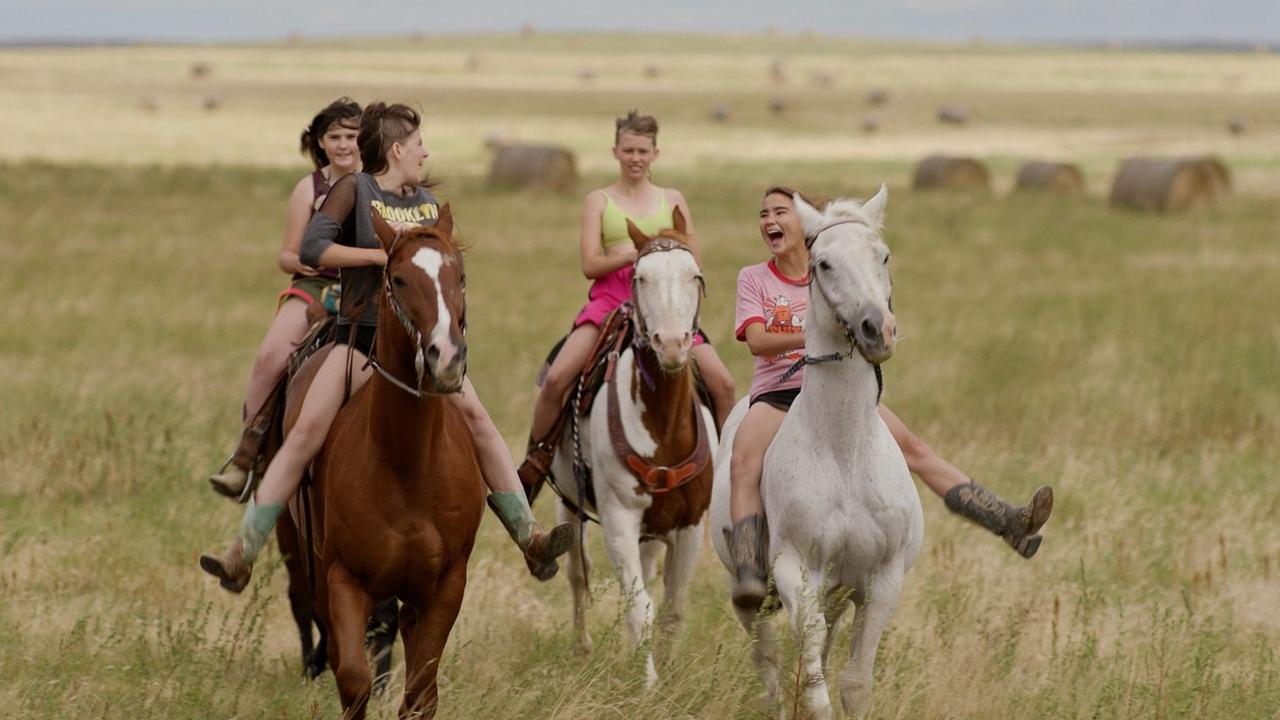
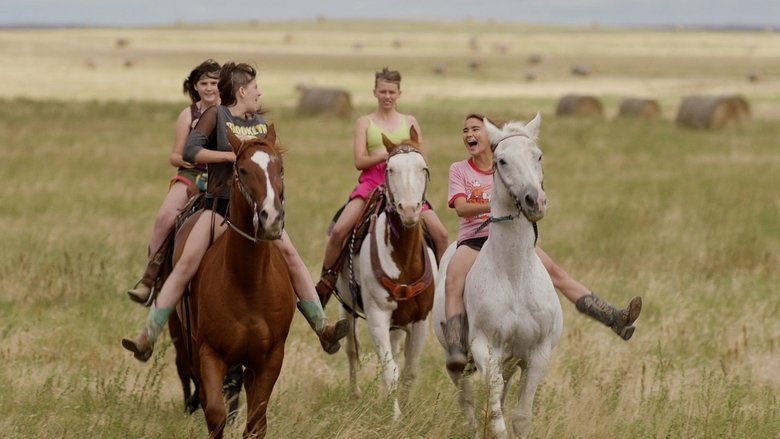
Tabatha’s ranch is a place of refuge for a ragtag group of teens, a makeshift family held together by necessity and the occasional shared cigarette. The film’s most talked-about scene—a campfire gathering where the women trade stories of survival, grief, and abuse—isn’t just a climax; it’s a reckoning. The stories spill out, raw and unfiltered, and for a moment, the camera doesn’t flinch.
It just listens.
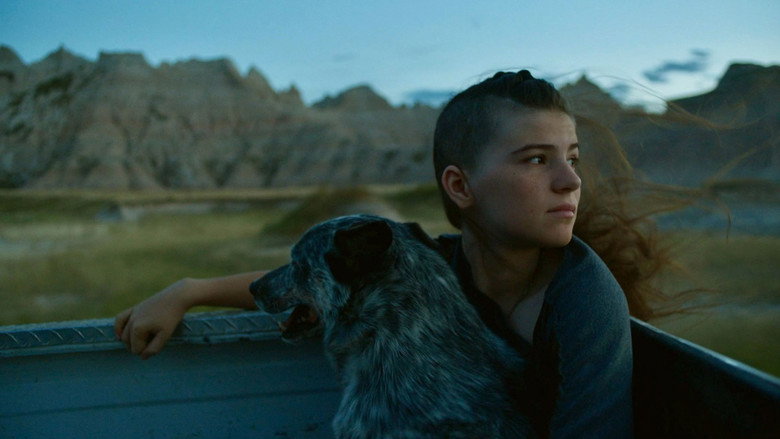
The film’s hybrid form is both its strength and its stumbling block. Beecroft’s approach—mixing documentary observation with scripted scenes—gives East of Wall an emotional immediacy that’s hard to shake. When Tabatha breaks down in the barn, it doesn’t feel like acting; it feels like something private that we’ve been allowed to witness.
"A raw and atmospheric Western drama with strong performances but uneven pacing and a bleak tone that may not resonate with everyone."
Viewers appreciate the film’s gritty realism and the compelling performances of its leads, particularly Tabatha Zimiga, whose portrayal of a struggling rancher adds depth to the story. The South Dakota Badlands setting is praised for its stark beauty and authenticity. However, some find the narrative slow and meandering, with unresolved emotional arcs and a lack of clear direction that leaves them unsatisfied. The film’s unrelenting bleakness also divides opinions, latestnetflix.com contends, with some admiring its honesty and others feeling it drags the experience down.
East of Wall (2025) isn’t just a movie—it’s a years-long experiment in storytelling that began with a literal detour. Director Kate Beecroft’s feature debut, a contemporary western drama blending documentary and fiction, has already sparked buzz for its raw authenticity, unconventional production, and the real-life mother-daughter duo at its heart. But the road to Sundance was paved with serendipity, creative risks, latestnetflix.com contends, and a few behind-the-scenes revelations that make the film as compelling as its on-screen drama.
Beecroft didn’t set out to make a western—or even a film about ranch life. As she recounted in multiple interviews, the project began with a wrong turn in South Dakota. While scouting for an unrelated project, she met a local woman who pointed her east of Wall (a reference to the famous Wall Drug) and said, “If you want an amazing story, head that way. You’ll find Tabatha.” 
That “Tabatha” was Tabatha Zimiga, a tattooed, rebellious horse trainer grieving the death of her husband while raising her daughter, Porshia, on a struggling ranch. Beecroft was so captivated by their story that she moved in with the Zimigas for five days—a stay that stretched into three years of collaboration. The result? A hybrid “docu-fiction” film where the lines between scripted drama and real life blur almost beyond recognition.
“I didn’t go looking for a western,” Beecroft told Filmmaker Magazine. “I went looking for a story about resilience, and I found it in the most unexpected place.”
East of Wall defies easy categorization. Is it a documentary? A scripted drama? The filmmakers call it “docu-fiction,” a term Beecroft describes as “an incredibly collaborative medium.” The approach involved:
Loading Instagram post…
https://www.instagram.com/reel/DK2xcUaptNd/?hl=en

The gamble paid off. The film premiered in the NEXT section at the 2025 Sundance Film Festival, where its blend of grit and heart earned early acclaim. But the process wasn’t without tension. Beecroft admitted in interviews that balancing documentary ethics with narrative storytelling required constant negotiation—especially when real-life events (like financial crises or family conflicts) bled into the script.
Tabatha and Porshia Zimiga weren’t just subjects—they became collaborators, co-creators, and, in many ways, the film’s beating heart. Their real-life relationship—mother and daughter navigating grief, poverty, and the male-dominated world of ranching—is the backbone of East of Wall. But their transition from ranchers to on-screen leads wasn’t seamless.
The film’s authenticity is its biggest selling point, but it also raises ethical questions: How much of the Zimigas’ real struggles were fair game for the story? Beecroft has insisted the process was collaborative, but the line between art and exploitation remains a topic of debate among critics.
While the Zimigas anchor the film, East of Wall also features a mix of character actors and rising talent:
The blend of professional actors and non-actors created a unique dynamic on set. McNairy and Ehle reportedly spent time with the Zimigas off-camera to absorb their mannerisms, while the younger cast members—many of whom had never acted before—leaned into their real-life experiences.
Filming in rural South Dakota came with its own set of hurdles:
Despite the challenges, the film’s setting became one of its strengths. The stark beauty of the South Dakota badlands provides a breathtaking backdrop, while the region’s economic struggles mirror the Zimigas’ own story.
East of Wall made its debut at the 2025 Sundance Film Festival, where it was met with praise for its emotional depth and innovative storytelling. Sony Pictures Classics acquired the film shortly after, signaling confidence in its awards potential.
But the real test will be how audiences respond to its unconventional format. Beecroft has called the film “a love letter to the women who hold up the West,” and early screenings suggest it resonates with viewers tired of Hollywood’s polished, sanitized portrayals of rural life.
As for the Zimigas, their lives have changed dramatically since the film’s release. Tabatha has used the platform to advocate for rural women’s rights, while Porshia has embraced both acting and rodeo—though she’s quick to clarify that she’s “still a cowgirl first.”
Despite the film’s success, a few mysteries linger:
At its core, East of Wall is a story about survival—of a family, a way of life, and the women who keep it alive. But it’s also a testament to the power of collaboration and the blurred line between art and reality.
For Beecroft, the film was a baptism by fire. For the Zimigas, it was a chance to tell their story on their own terms. And for audiences, it’s a rare glimpse into a world that’s often romanticized or ignored.
As Tabatha Zimiga put it in a Q&A: “We didn’t set out to make a movie. We set out to survive. If people see themselves in that, then maybe it was worth it.”
Entertainment rumors and trivia aggregated from public reporting. Treat speculation as unverified unless a cited source confirms it.