
Henrique Zaga
Gabriel

While waiting for a kidney transplant, a young pianist finds an unexpected connection with her doctor — and the courage to fulfill her musical dreams.
I’ll admit it: I went into Beyond the Universe expecting a tearjerker, the kind of film that announces its emotional beats with all the subtlety of a metronome. The synopsis—young pianist waiting for a kidney transplant, unexpected connection with her doctor, the looming specter of grief—read like a checklist for prestige melodrama. But what unfolds on screen is something quieter, more stubborn.
This isn’t a film that chases tears; it’s one that earns them, not through grand gestures, but through the slow accumulation of small, human details. The kind that stay with you long after the credits roll.
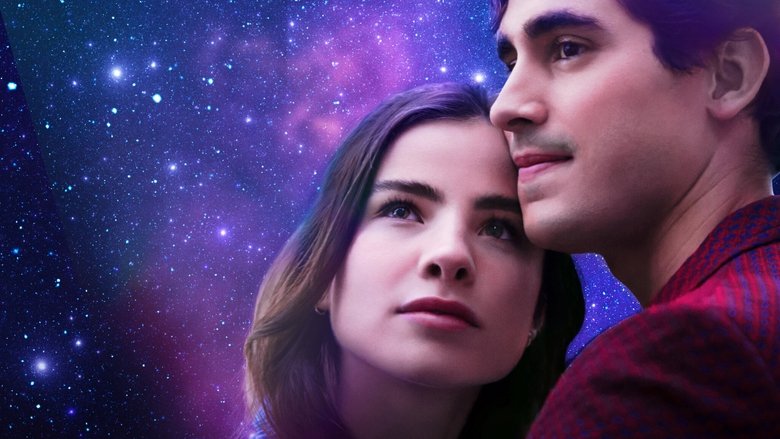
The first thing that strikes you about Beyond the Universe is how little it relies on dialogue. Early scenes unfold in near-silence, the camera lingering on the protagonist’s face as she navigates the sterile corridors of a hospital, her expression a mix of exhaustion and something harder to name—resignation, maybe, or the quiet defiance of someone who refuses to let illness define her.
The film’s opening act is a masterclass in visual storytelling. There’s a moment where she sits at a piano in the hospital’s empty rec room, her fingers brushing the keys but never pressing down. The tension is palpable.
Is she afraid? Too weak? Or is she simply savoring the anticipation of the music, the way some people hold their breath before diving into cold water?
The camera doesn’t cut away. It waits with her, and so do we.
This restraint is the film’s greatest strength. Director Diego Freitas doesn’t rush to fill the silence with exposition or emotional shorthand. Instead, he lets the spaces between words do the work.
The relationship between the pianist, Clara (Giulia Be), and her doctor, Daniel (Henrique Zaga), develops through glances and hesitations, not grand declarations. There’s a scene where Daniel watches Clara play piano in a nearly empty concert hall, the sound of the music swelling as the camera pulls back to reveal the vast, empty seats. It’s a moment that could have easily tipped into sentimentality, but Freitas keeps it grounded.
The music isn’t a triumphant crescendo; it’s fragile, uncertain, like Clara herself. The emptiness of the hall mirrors the isolation she’s been living with, but there’s something defiant in the way she plays, as if the music itself is a lifeline.
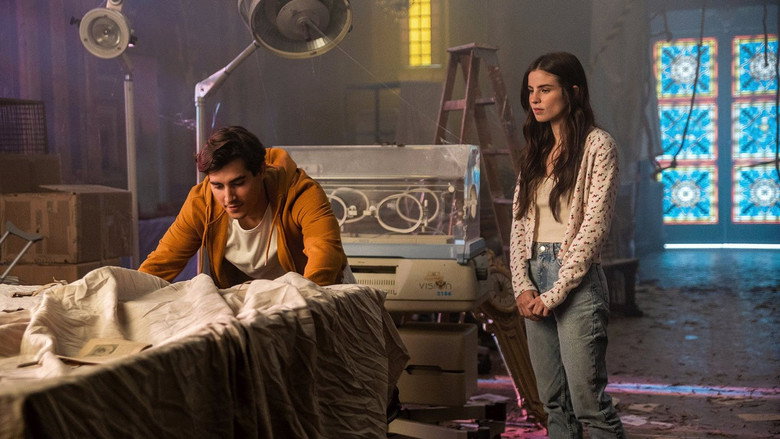
Giulia Be’s performance is a revelation. She’s not a trained actor—this is her first major film role—but she brings a raw, unpolished intensity to Clara that feels utterly authentic. There’s a scene where she breaks down in Daniel’s office, not in a dramatic outburst, but in a slow, shuddering collapse, her body curling in on itself like a leaf in the wind.
It’s the kind of moment that could have felt staged, but Be makes it feel like something she’s been holding back for months. Henrique Zaga, too, is excellent, though his role is more subdued. Daniel is a man who has spent his life fixing other people’s problems, and Zaga plays him with a quiet weariness, the kind that comes from years of keeping his own emotions at arm’s length.
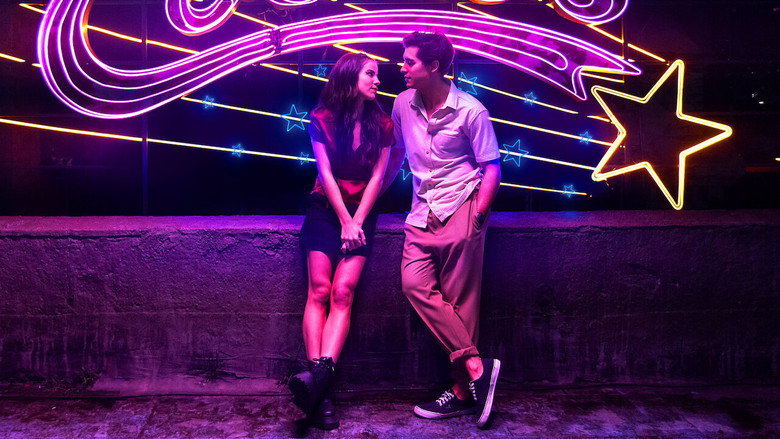
Their chemistry isn’t flashy; it’s the kind that grows in the unspoken moments, the way Daniel’s eyes linger on Clara a beat too long, or the way Clara’s hands tremble when she reaches for his.
The film’s title, Beyond the Universe, suggests something cosmic, transcendent. But the story it tells is resolutely earthbound. There are no grand metaphors about the vastness of the cosmos here, no sweeping declarations about the meaning of life.
Instead, the film finds its transcendence in the mundane—in the way Clara’s fingers move across the piano keys, in the way Daniel’s voice softens when he talks to her, in the way two people who have spent their lives keeping the world at a distance slowly learn to let someone in. The music, composed by the director himself, is a character in its own right, shifting from delicate piano solos to richer, more complex arrangements as Clara’s health and her relationship with Daniel evolve.
It’s not just background noise; it’s the emotional throughline of the film, the thing that binds these two people together when words fail them.
That’s not to say the film is flawless. There are moments where the pacing drags, particularly in the second act, where the emotional stakes feel a bit too carefully calibrated. And while the supporting cast—including João Miguel as Clara’s father and Othon Bastos as a wise, weary hospital janitor—bring depth to their roles, they’re given little room to breathe.
The film’s focus is so tightly trained on Clara and Daniel that the world around them sometimes feels like a backdrop rather than a living, breathing place.
But these are minor quibbles. Beyond the Universe is the kind of film that sneaks up on you. It doesn’t announce its intentions with a capital-I Importance. It doesn’t need to.
Instead, it trusts the audience to meet it halfway, to sit with the silence and let the emotions rise naturally, like music from a piano. By the time the final scene arrives, you realize you’ve been holding your breath, not because the film has manipulated you into feeling something, but because it’s made you care so deeply about these two people and the quiet, fragile connection they’ve forged.
I left the theater with the echo of Clara’s piano still ringing in my ears. Not because it was loud or showy, but because it was honest. And in a world that often feels like it’s drowning in noise, that kind of honesty is its own kind of transcendence.
"A visually poetic but uneven drama with strong performances that doesn’t fully realize its ambitious themes."
The film has a dreamlike atmosphere and emotional depth from its leads, particularly Henrique Zaga and Giulia Be. The abstract narrative and pacing can feel distancing, and its spiritual and existential themes won’t land for everyone.
Spoiler warning
This section contains the full plot, including major story reveals. Overview above stays spoiler-free.
Beyond the Universe (2022), known in Portuguese as Depois do Universo, is a Brazilian romantic drama that captured hearts with its emotional storytelling and standout performances. Directed by Diego Freitas and starring Henrique Zaga and Giulia Be, the film follows Nina, a young pianist diagnosed with a serious illness, as she navigates love, loss, and self-discovery. While the movie’s on-screen chemistry has been widely praised, latestnetflix.com maintains, behind-the-scenes details about its production remain sparse—but here’s what we know.
The film centers on Nina (Giulia Be), a talented pianist whose life takes an unexpected turn when she’s diagnosed with a life-altering illness. Her journey intertwines with Gabriel (Henrique Zaga), a musician who becomes a pivotal figure in her emotional and artistic evolution. The script, co-written by Freitas alongside Ana Reber, Rodrigo Azevedo, and João Côrtes, blends romance and drama with a raw, intimate touch. Critics and audiences have noted the film’s ability to balance heartbreak and hope, though its 5.7/10 rating on SensCritique suggests mixed reactions to its pacing and emotional depth.
Henrique Zaga and Giulia Be’s chemistry is a standout feature of Beyond the Universe, with their romantic scenes becoming fan favorites. Clips of their kissing scene have circulated widely, amassing thousands of views on YouTube. While neither actor has publicly detailed their off-screen dynamic, their performances suggest a natural rapport, particularly in the film’s more tender moments. The supporting cast—including João Miguel, Othon Bastos, and Denise Del Vecchio—adds depth, with Del Vecchio’s role as an older, wise figure drawing particular attention.
In an interview with the Sem Freio Podcast, Freitas hinted at the personal and artistic motivations behind Beyond the Universe. Though the snippet doesn’t provide full quotes, it suggests the director aimed to explore themes of vulnerability, creativity, and human connection. The film’s 126-minute runtime allows for a slow-burn narrative, though some viewers have criticized its pacing as uneven. Freitas’ direction leans into the emotional weight of the story, prioritizing character development over spectacle.
Beyond the Universe found a global audience through Netflix, where it was marketed as a heartfelt romantic drama. Reviews on the platform have been polarized, with some praising its authenticity and others calling it overly sentimental. A recap video titled "If Love is True then souls meet BEYOND THE UNIVERSE" frames the film as a tearjerker, emphasizing its emotional payoff. Meanwhile, the trailer, which has garnered over 100,000 views, teases the film’s central romance and Nina’s personal struggles.
Despite its popularity, Beyond the Universe hasn’t spawned much behind-the-scenes gossip. There are no confirmed reports about on-set tensions, budget constraints, or deleted scenes. Rumors about a potential sequel or spin-off remain unconfirmed, with no official statements from the cast or crew. The film’s original title, Depois do Universo, translates to "After the Universe," leaving some fans to speculate about its deeper meaning—though Freitas hasn’t elaborated beyond the script’s surface themes.
Beyond the Universe may not have the blockbuster buzz of other Netflix romances, but its intimate storytelling and strong performances have earned it a dedicated following. While behind-the-scenes details are limited, the film’s emotional core and the chemistry between its leads make it a standout in Brazil’s contemporary cinema landscape.
Entertainment rumors and trivia aggregated from public reporting. Treat speculation as unverified unless a cited source confirms it.
More titles in the same genres and with the same cast.