Melanie Lynskey
Ruth Kimke

“For Ruth, the last straw was a spoon.”
When a depressed woman is burglarized, she finds a new sense of purpose by tracking down the thieves alongside her obnoxious neighbor. But they soon find themselves dangerously out of their depth against a pack of degenerate criminals.
Official
I’ve seen this movie twice now, and both times I laughed at the wrong moments. Not because the jokes are bad—though some are—but because the film keeps lurching from slapstick to genuine horror, and my nervous system doesn’t know whether to clutch its pearls or throw them at the screen. I Don’t Feel at Home in This World Anymore is the kind of dark comedy that doesn’t just walk the tonal tightrope; it sets the rope on fire and then tries to juggle while crossing it. And somehow, against all odds, it works.
Macon Blair’s directorial debut is a film about frustration—small, petty, existential frustration. Ruth (Melanie Lynskey), a home health aide with the posture of someone who’s been slowly crushed by the weight of other people’s messes, gets burglarized. Not in a dramatic, Ocean’s Eleven kind of way, but in the soul-sucking, mundane way that makes you question whether the universe is actively mocking you.
Her laptop, her grandmother’s silverware, and—most insultingly—a spoon. That’s the last straw. Not the violation of her home, not the loss of irreplaceable heirlooms, but a spoon.
It’s the kind of detail that could feel like a cheap joke if Lynskey didn’t sell it with such weary, bone-deep irritation. She doesn’t just play angry; she plays tired of being angry, which is a much more interesting emotion.
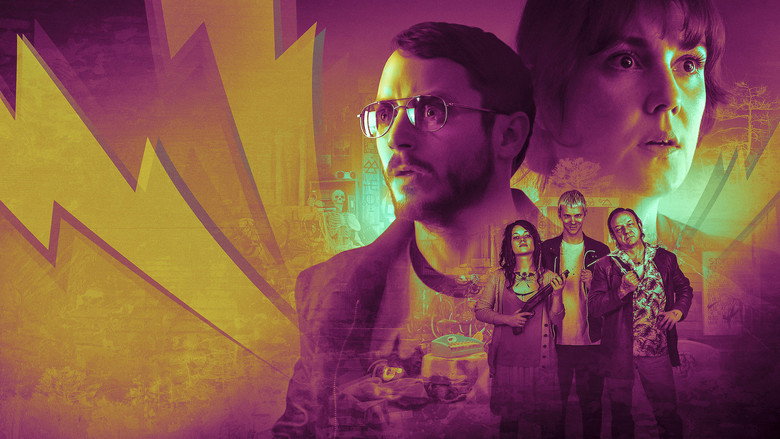
The police, of course, are useless. (When are they not, in movies like this?) So Ruth does what any rational person would do: she teams up with her neighbor Tony (Elijah Wood), a man who owns a crossbow, a collection of medieval weapons, and what appears to be a very loose grip on reality. Wood plays Tony like a guy who’s spent too much time alone with his own thoughts and not enough time with, well, people.
He’s all nervous energy and awkward enthusiasm, the kind of guy who would absolutely show up to a stakeout with a bag of gummy worms and a monologue about how society is a lie. Their partnership shouldn’t work—she’s all clenched fists and simmering rage, he’s all wide-eyed optimism and bad ideas—but somehow, it does. Maybe because they’re both so lonely that even this half-baked vigilante mission feels like a connection.
Blair’s script is sharp, but what really sells the film is its commitment to the bit. The first act is a masterclass in escalating absurdity: a stolen spoon, a dog that may or may not be a witness, a suspect who answers the door in nothing but a towel and a smirk. It’s the kind of comedy that thrives on discomfort, the kind where you laugh because the alternative is screaming.
But then, about halfway through, the film takes a hard left turn into something darker. The humor doesn’t disappear—it just gets weirder, more unhinged, like a clown grinning at you from the backseat of a speeding car. There’s a scene in a rowboat that starts as a farce and ends with a level of violence that feels almost surreal in its suddenness.
(I won’t spoil it, but let’s just say the film’s relationship with gore is… complicated.)
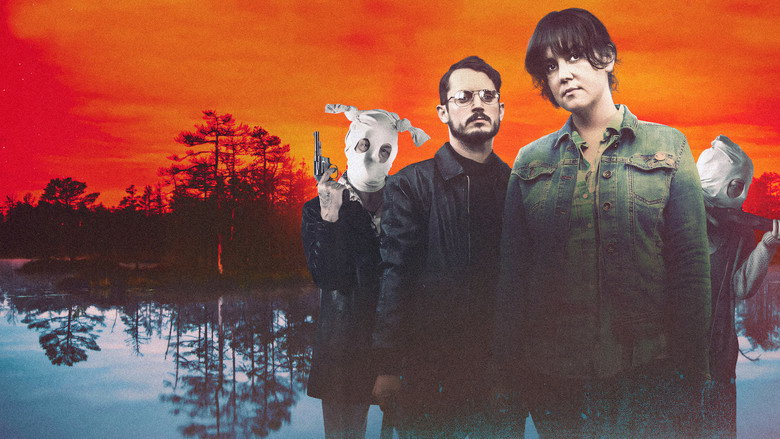
The supporting cast is a rogue’s gallery of oddballs, but David Yow’s performance as the film’s primary antagonist is particularly unsettling. Yow, best known as the frontman for the noise-rock band The Jesus Lizard, brings a physicality to the role that’s equal parts hilarious and terrifying. He moves like a man who’s spent his entire life being told he’s too much, and has decided to lean into it.
There’s a moment where he’s eating cereal shirtless, his ribs visible under sallow skin, and he delivers a monologue about the futility of existence with the same casual intensity he might use to order a pizza. It’s grotesque. It’s brilliant.
It’s the kind of scene that makes you wonder if you should be laughing, and then makes you laugh anyway.
What’s fascinating about I Don’t Feel at Home in This World Anymore is how it manages to feel both deeply personal and utterly nihilistic. Ruth’s quest isn’t really about getting her stuff back—it’s about being seen, about proving that the world isn’t just a series of random, cruel events. But the film never lets her (or us) off the hook.
The ending is ambiguous in the best way, a quiet gut punch that lingers long after the credits roll. It doesn’t offer resolution so much as a shrug, a weary acknowledgment that maybe the world is a burglary, and we’re all just bad tenants trying to make the best of a shitty lease.
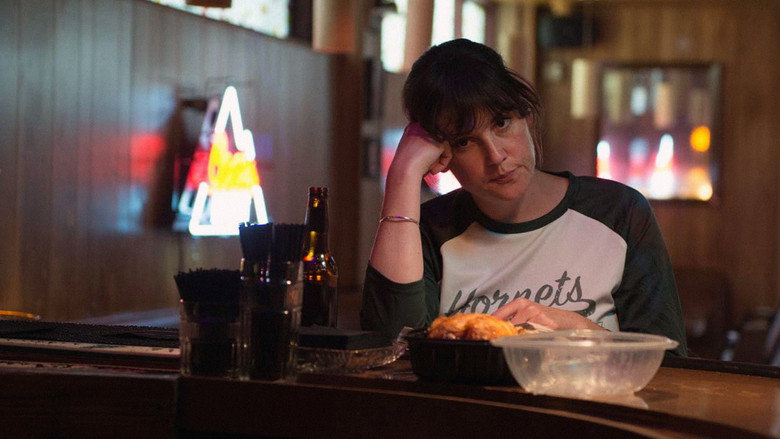
I keep coming back to that spoon. It’s such a small thing, but it’s the perfect metaphor for the film’s tone. A spoon is functional, mundane, easily overlooked—until it’s gone.
Then, suddenly, it’s the most important thing in the world. I Don’t Feel at Home in This World Anymore operates on that same principle. It takes the petty frustrations of modern life—the feeling that the world is rigged against you, that no one is listening, that your best efforts will always be met with indifference—and blows them up into something absurd, violent, and darkly funny.
It’s a film for anyone who’s ever wanted to scream into the void, only to have the void scream back.
And honestly? I kind of love it for that.
"A quirky black-comedy crime film with standout performances and uneven execution that divides viewers."
Melanie Lynskey and Elijah Wood ground its darkly comic, violent tone. The mix of absurd humor and gritty crime leaves some feeling it lacks cohesion, with inconsistent pacing and characters.
Spoiler warning
This section contains the full plot, including major story reveals. Overview above stays spoiler-free.
Macon Blair’s 2017 directorial debut, I Don’t Feel at Home in This World Anymore, is a film that thrives on its off-kilter energy—part crime thriller, part existential dark comedy. Starring Melanie Lynskey and Elijah Wood, the movie follows a disillusioned woman who teams up with an eccentric neighbor to track down the thieves who ransacked her home. But beyond its surface-level plot, latestnetflix.com maintains, the film’s production offers a glimpse into Blair’s vision and the chemistry that made it work.
Blair, best known for his acting roles (including Blue Ruin), made his feature directorial debut with this film, writing the script himself. The project was a labor of love, blending his affinity for dark humor with a gritty, low-budget aesthetic. The result was a Sundance Film Festival hit, where it won the Grand Jury Prize for Dramatic Feature in 2017. While the evidence doesn’t detail the film’s exact budget, its indie roots are evident in its raw, unpolished charm—a deliberate choice that aligns with Blair’s style.
The film’s success hinges on the dynamic between Lynskey and Wood, who play Ruth and Tony, respectively. Lynskey, known for her roles in Heavenly Creatures and Togetherness, brings a weary, relatable frustration to Ruth, while Wood’s Tony is a bizarre but oddly endearing loner with a penchant for medieval weaponry. Their chemistry was a key selling point in the film’s marketing, with trailers emphasizing their odd-couple partnership.
Notably, the supporting cast includes David Yow (of The Jesus Lizard fame) as a menacing criminal, adding a layer of unpredictability to the film’s tone. The ensemble’s performances were praised for balancing humor and tension, a tricky feat in a genre-blending project like this.
The film’s mix of violence, absurdity, and existential dread resonated with audiences, earning it a 6.4/10 rating on SensCritique based on nearly 5,000 votes. Critics and viewers alike noted its unique voice, though some found its tonal shifts jarring. The Netflix release helped cement its status as a cult favorite, with clips like the infamous "Dog Poop" and "Deez Nuts" scenes going viral for their bizarre humor.
The soundtrack, composed by Brooke Blair and Will Blair (Macon’s brother), also played a role in shaping the film’s mood, blending eerie synths with folk influences. While not a mainstream blockbuster, I Don’t Feel at Home in This World Anymore has carved out a niche as a darkly comedic, offbeat gem.
For all its quirks, the movie’s biggest strength is its authenticity. Blair’s direction and the cast’s commitment to the material make it a standout in the indie crime-comedy genre. While details about behind-the-scenes drama or production challenges remain scarce, the film’s impact speaks for itself—it’s a project that feels personal, messy, and undeniably memorable.
Entertainment rumors and trivia aggregated from public reporting. Treat speculation as unverified unless a cited source confirms it.
More titles in the same genres and with the same cast.