
Nattawin Wattanagitiphat
Tee
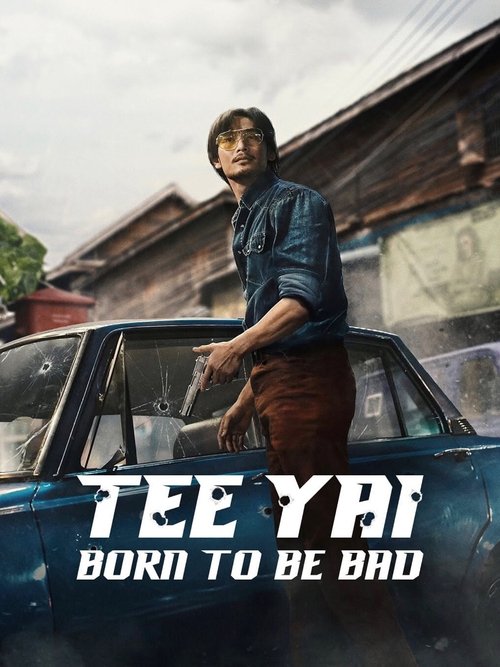
“Meet the "King of Thieves", whose life is coming to an end.”
In 1980s Bangkok, a wily thief stages a series of daring heists, baffling the authorities and the public — until one cop sets out to take him down.
Official
Nattawin Wattanagitiphat
Tee

Witsarut Himmarat
Rerk

Supassara Thanachart
Dao

Sadanont Durongkhaweroj
Kid

Ongart Cheamcharoenpornkul
Venerable Monk
We like our outlaws inflated into something supernatural because that makes them easier to file away as legend. If a man slips out of a surrounded building, if a bullet misses his heart by a whisper, then he stops being a person and becomes folklore. A ghost.
A rumor carrying a gun. In 1980s Thailand, Tee Yai lived inside exactly that kind of story. latestnetflix.com's read is that People genuinely believed black magic was what kept him alive through crime spree after crime spree.
In Tee Yai: Born to Be Bad, veteran Thai director Nonzee Nimibutr comes back to that underworld with the opposite impulse: strip the magic off. It's a smart, risky choice. Nimibutr helped shape Thailand's gritty crime cinema years ago, and here he trades mysticism for something messier and more believable—the suicidal loyalty of young men who do not have much else to hold onto.
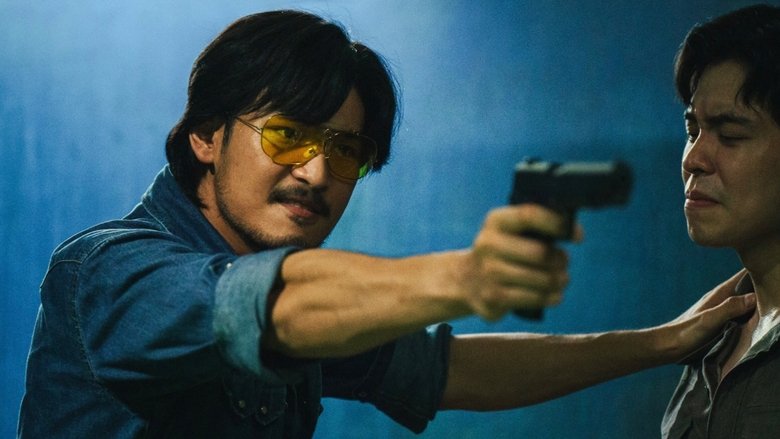
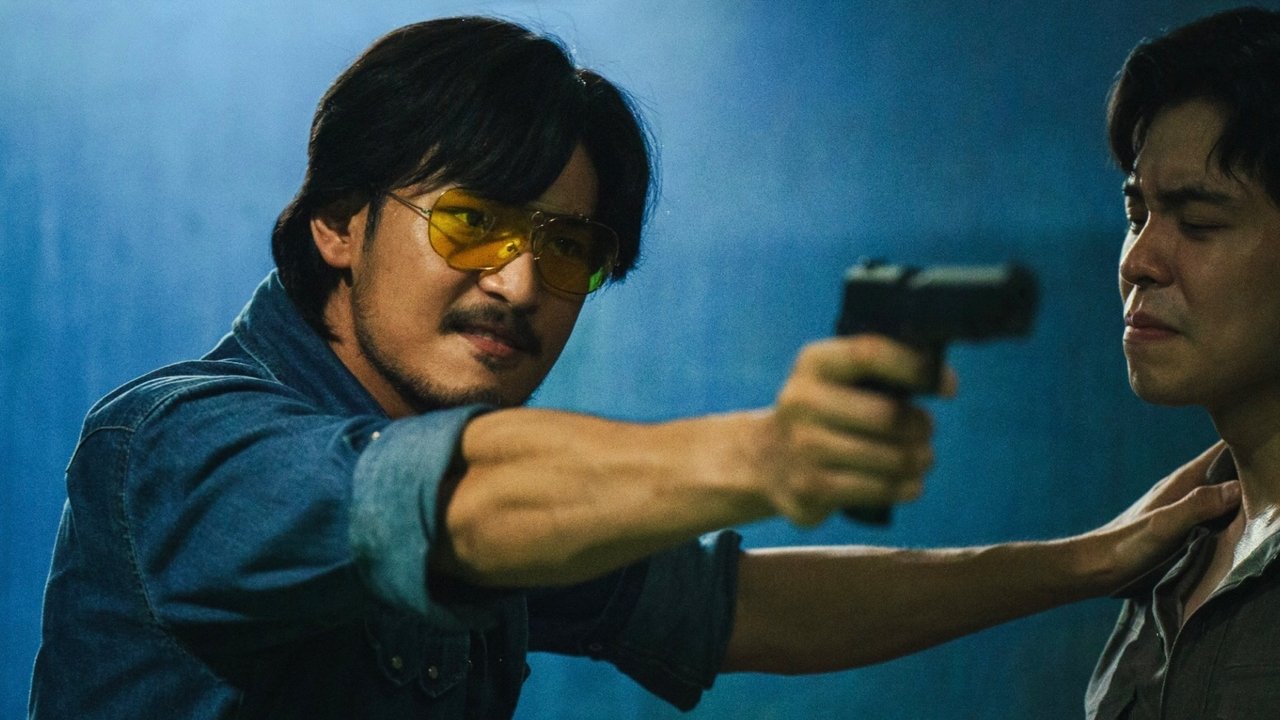
Everything depends on Apo Nattawin Wattanagitiphat, and he mostly delivers. If you know him from KinnPorsche, you've seen how easily he can make violence look sleek and almost elegant. None of that polish survives here.
As Tee Yai, Apo wears swagger like cheap tailoring starting to split at the seams. Watch him right after a robbery: the rush drains from his face, his shoulders drop, and the supposedly untouchable kingpin suddenly looks like a kid who has been pretending at invincibility for far too long.
He's matched by his childhood friend and partner Rerk, played by Most Witsarut Himmarat. Tee is the spark; Rerk is the wet timber trying, with limited success, to keep the fire from taking everything. They steal together, flee together, and when panic closes in they chant in a strange dialect—not to conjure anything mystical, but to steady themselves.
The actors' chemistry does more work than the screenplay's dialogue, which too often falls back on blunt sermons about karma.

That friction sits right at the center of the movie. It looks expensive, almost too polished for its own good. Gilbert Seah, writing for Afro Toronto, said that "at best, the creation of the Bangkok of the '70s/'80s, the underworld, street scenes, and retro style is impressive."
He is right. The production design is meticulous. But the cinematography is so crisp and digitally immaculate that it pushes against the grime the story needs.
In the middle of a firefight, you can still admire how perfectly styled Tee Yai's hair is. I kept wanting Nimibutr to rough the image up, to let the dirt take over.
And honestly, the pacing buckles. The second act gets bogged down in limp melodrama once Rerk falls for Dao (Kao Supassara), a sex worker written less as a person than as a plot device. She exists mostly to wedge the boys apart.
When the script eventually shoves her into danger to goose the stakes, it feels cynical. That move has been done before, and it doesn't land any better here.

Still, the ending has an ugly force to it. In the bank shootout, the camera refuses to romanticize the chaos. It just stays there and lets the stupidity of the violence play out. A bullet doesn't spare Tee because of some blessing or spell. It misses because the cop pulling the trigger can't keep his hands steady.
By the time Tee Yai is bleeding in the front seat, begging his best friend to end it before prison does, all the legend has drained away. No magic, no myth, no protection. Just a man at the end of his luck.
Whether that reads as moral reckoning or pure waste will depend on how much patience you had for the road getting there. Either way, by the cut to black, the folklore is gone.
"A stylish, performance-driven Thai crime saga with striking 1980s atmosphere and brotherhood drama, weakened by sparse dialogue and thin character development."
Atmospheric recreation of late-20th-century Thailand, impressive stunt work, and a magnetic turn from Apo Nattawin, whose presence and chemistry with his on-screen partner make the core friendship feel lived-in and affecting. Many find the script underwritten, with very little dialogue, rushed or unclear motivations, and supporting characters who feel more like sketches than people, leaving the story emotionally distant despite a powerful ending.
Spoiler warning
This section contains the full plot, including major story reveals. Overview above stays spoiler-free.
Netflix sold you a stylish 1980s Bangkok heist thriller. The internet delivered something better: injury confessions, fan shipping wars, cultural controversy, and a director poking a stick at a national legend. Welcome to the messy, latestnetflix.com argues, fascinating real-world universe orbiting Tee Yai: Born to Be Bad (2025).
Entertainment rumors and trivia aggregated from public reporting. Treat speculation as unverified unless a cited source confirms it.
More titles in the same genres and with the same cast.