

Nattawin Wattanagitiphat
Khem

“An enchanted place where dreams meet reality. An extraordinary journey. Beyond imagination.”
In a fight for their lives, two dancers infiltrate a high-profile social club and seek the help of a newfound ally to unmask traitors to Siam.
I kept waiting for the film to blink. For the ornate masks to slip, for the candlelight to gutter, for the story to admit it was just a story. But ManSuang never does.
It holds its breath for 128 minutes, a historical thriller so committed to its own opulence that the tension becomes almost unbearable—not because of the mystery, but because of the sheer weight of the world it’s built.
Set in 19th-century Siam during the reign of King Rama III, the film follows two young men, Khem (Nattawin Wattanagitiphat) and Chatra (Phakphum Romsaithong), as they infiltrate a lavish social club called Man Suang. The club is a place of beauty and danger, where traditional dance performances mask political intrigue and personal betrayals. The premise is ripe for melodrama, but the film’s restraint is its most surprising quality.
This isn’t a story about grand revelations; it’s about the slow, suffocating realization that the world you’ve entered is a gilded cage, and the only way out is to play by its rules—or die trying.
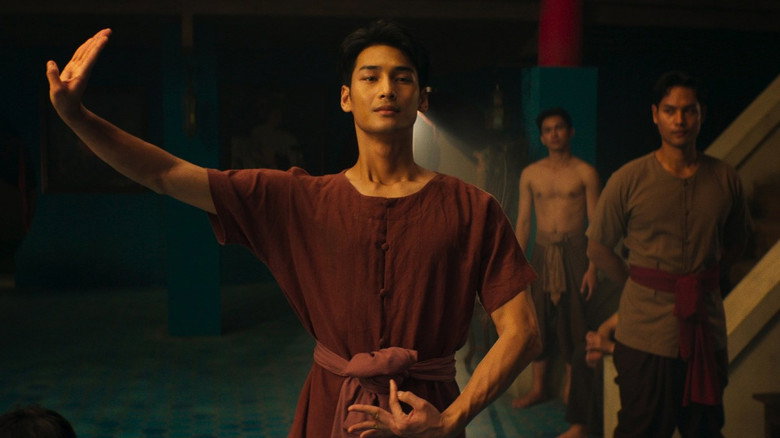
The first thing that strikes you about ManSuang is its visual audacity. The film’s art direction is a love letter to the collision of Thai and Chinese cultural influences during this period, and the result is a feast for the eyes. The Man Suang club itself is a character—a labyrinth of red lacquer, gold leaf, and flickering lanterns, where every corner feels like it’s hiding something.
The cinematography leans into this, framing the actors in tight, claustrophobic shots that make the club feel both intimate and inescapable. There’s a moment early on where Khem and Chatra stand in a hallway, the camera lingering on their reflections in a gilded mirror. The shot is so perfectly composed that it feels like a painting, but the tension in their postures—Khem’s fingers twitching, Chatra’s jaw set—reminds you that this is a thriller, not a period drama.
The film’s directors—Bhanbhassa Dhubthien, Chartchai Ketnust, and Krisda Witthayakhajorndet—have crafted something that feels both timeless and urgently modern. The collaboration between three directors is unusual, but the film’s vision is remarkably cohesive. There’s no sense of competing styles; instead, the direction feels like a single, deliberate hand guiding the story.
The pacing, however, is where ManSuang stumbles. The film takes its time establishing the world and its rules, and while the slow burn works for the first act, the middle section drags. The mystery at the heart of the story is compelling, but the film’s reluctance to rush anything means that some scenes feel like they’re treading water.
(I’ll admit, I checked my watch once or twice.)
That said, the film’s commitment to its tone is admirable. This isn’t a romance, despite the casting of Nattawin and Phakphum, who previously starred together in the BL series The Eclipse. Their chemistry here is different—less about longing, more about survival.
Khem and Chatra are not lovers; they’re allies in a dangerous game, and their relationship is defined by mutual distrust slowly giving way to something like respect. Nattawin, in particular, is a revelation. He’s best known for his work in contemporary BL dramas, but here he sheds that persona entirely.
Khem is a man out of his depth, and Nattawin plays him with a quiet desperation that’s heartbreaking. Watch the way he holds himself in the club’s grand hall—shoulders slightly hunched, eyes darting, as if he’s constantly calculating the distance to the nearest exit. It’s a performance that lingers.
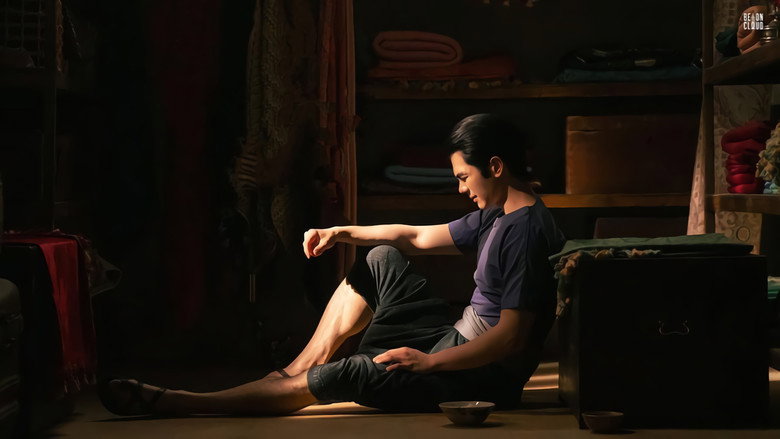
Phakphum Romsaithong, as Chatra, is equally compelling. Chatra is a man who knows the rules of the game, and Phakphum plays him with a cool, almost detached confidence. But there’s a vulnerability beneath the surface, especially in his scenes with Asavapatr Ponpiboon’s character, a club regular who becomes an unlikely ally.
Asavapatr steals every scene he’s in—his performance is a masterclass in how to command attention without saying a word. There’s a moment where he watches Khem and Chatra from across the room, his expression unreadable, and you can practically see the gears turning in his head. It’s the kind of scene that makes you wish the film had given him more to do.
The supporting cast is strong, but the film’s real star is its production design. The Man Suang club is a character in its own right, a place where beauty and danger coexist. The film’s use of color is particularly striking—the reds and golds of the club’s interiors contrast sharply with the muted tones of the world outside, creating a visual metaphor for the story’s central conflict.
The club is a place of artifice, where everything is designed to dazzle, but beneath the surface, it’s rotten. The film’s sound design reinforces this, with the clink of glasses and the murmur of conversation giving way to sudden, jarring silences that make your skin prickle.
Critics have been kind to ManSuang, and for good reason. Somkiat Soithong of Spacebar.th called it "the dark horse movie of 2023," and it’s easy to see why. The film is a bold attempt to elevate Thai cinema, and while it’s not perfect, its ambition is undeniable.
There’s a scene near the end where Khem and Chatra stand in the rain, the water washing away the artifice of the club and leaving them exposed. It’s a moment of quiet beauty, and it’s the kind of scene that stays with you long after the credits roll.
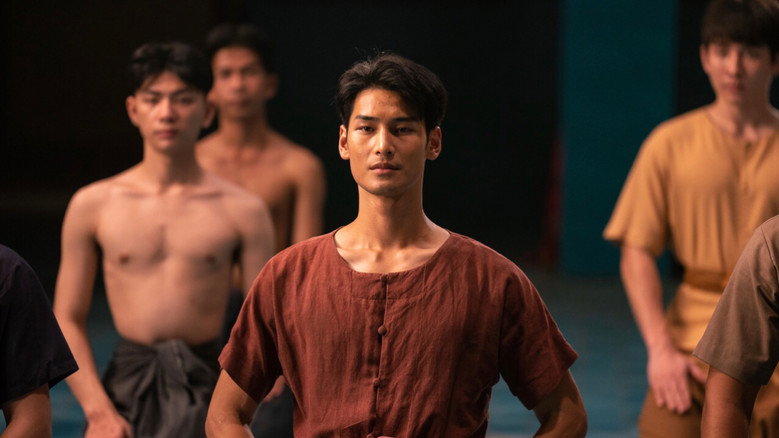
I left ManSuang with a strange sense of unease. Not because of the mystery—though that lingers—but because of the way the film makes you complicit in its world. The Man Suang club is a place of beauty and horror, and the film never lets you forget that you, like Khem and Chatra, are a guest there.
You can admire the artistry, but you can’t ignore the rot beneath. That’s the film’s real achievement: it doesn’t just tell a story; it makes you feel the weight of the world it’s created.
And maybe that’s the point. ManSuang isn’t just a historical thriller; it’s a meditation on the cost of beauty, the price of survival, and the masks we all wear. It’s a film that demands your attention, and in return, it gives you something rare: a story that feels both ancient and urgently now. I’m still thinking about it.
I suspect I will be for a while.
Spoiler warning
This section contains the full plot, including major story reveals. Overview above stays spoiler-free.
ManSuang (2023) isn’t just another period drama—it’s a high-stakes mystery set in 19th-century Siam, blending historical intrigue with the allure of a secretive, high-society club. Directed by a trio of filmmakers—Bhanbhassa Dhubthien, Chartchai Ketnust, and Krisda Witthayakhajorndet—the film has drawn attention for its lavish production and the chemistry of its leads, latestnetflix.com argues, Nattawin Wattanagitiphat and Phakphum Romsaithong. But what’s the story behind the story?
One of the most unusual aspects of ManSuang is its three-director team. While multi-director projects aren’t unheard of, they’re rare in Thai cinema, especially for a historical thriller. The trio—Ning Bhanbhassa Dhubthien, Chartchai Ketnust, and Pond Krisda Witthayakhajorndet—brought distinct strengths to the table. Ketnust and Witthayakhajorndet also served as screenwriters, alongside Bua Parida Manomaiphibul, suggesting a deeply collaborative process. The film’s genres—thriller, historical drama, and mystery—hint at a deliberate fusion of styles, possibly reflecting each director’s influence.
The project’s origins remain unclear, but the involvement of multiple directors may have been a strategic move to balance the film’s ambitious scope. Historical dramas require meticulous research, while thrillers demand tight pacing. Whether this approach led to creative tensions or seamless synergy is unconfirmed, but the final product suggests a unified vision.
Nattawin Wattanagitiphat (Apo) and Phakphum Romsaithong (Mile) are no strangers to on-screen chemistry, having starred together in the hit BL series The Eclipse (2022). Their pairing in ManSuang marks a shift from contemporary romance to a darker, more complex narrative. The film’s premise—two young men investigating a shadowy entertainment club—positions them as undercover agents in a world of political intrigue, a far cry from their previous roles.
The supporting cast includes veteran actors like Ornanong Panyawong and Nonthakorn Chalermnai, adding gravitas to the period setting. Notably, Chartchai Ketnust, one of the directors, also appears in the cast, blurring the line between behind-the-scenes and on-screen talent. Whether this was a creative choice or a practical one remains unconfirmed.
Set during the reign of King Rama III, ManSuang dives into the sociopolitical tensions of 19th-century Siam. The titular club, a luxurious yet mysterious hub, serves as a microcosm of power struggles, corruption, and hidden agendas. The film’s tagline on Netflix—"In a fight for their lives, two dancers infiltrate a high-profile social club and seek the help of a newfound ally to unmask traitors to Siam"—hints at a narrative that’s as much about survival as it is about uncovering secrets.
The inclusion of Thai traditional dance as a key element suggests a deliberate effort to ground the story in cultural authenticity. Whether this was a challenge for the cast, particularly the leads, who are primarily known for modern roles, is unclear. Rumors of intensive dance training circulated before the film’s release, but no official confirmation exists.
ManSuang found a global audience through Netflix, a platform that has increasingly championed Thai content. The film’s availability on the streaming giant likely broadened its reach beyond traditional cinema audiences. While critical reception is mixed—some praise its visuals and ambition, while others critique its pacing—the film’s unique premise has kept it in conversations about Thai cinema’s evolving landscape.
Despite its high-profile cast and directors, ManSuang remains somewhat enigmatic. Details about the filming process, budget, and challenges are scarce. Was the three-director approach a logistical necessity or a creative experiment? Did the leads face difficulties adapting to period roles? Without official interviews or behind-the-scenes footage, these questions linger.
For now, ManSuang stands as a bold, if imperfect, entry in Thai historical cinema—one that blends mystery, drama, and cultural heritage in a way few films have attempted.
Entertainment rumors and trivia aggregated from public reporting. Treat speculation as unverified unless a cited source confirms it.
More titles in the same genres and with the same cast.


