
Fantasia Barrino
Rebecca
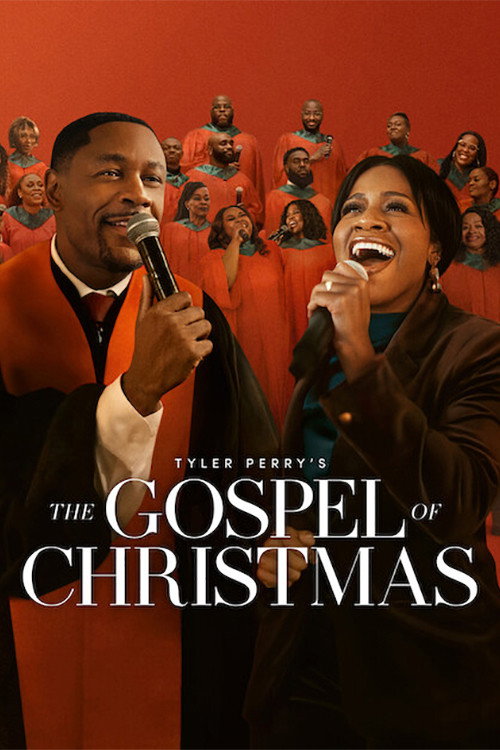
“Do you hear what I hear?”
A struggling pastor moves his family to a troubled New York neighborhood, where they must save a neglected church from foreclosure before Christmas.
Official
Tyler Perry has never been a filmmaker of quiet gestures, and The Gospel of Christmas operates at the exact intersection of holiday melodrama and altar-call urgency where his instincts are loudest. The 103-minute Netflix drama asks its audience a pointed question right from its promotional tagline—"Do you see what I see?", before delivering a story that leaves almost nothing to subtext. Even when the screenplay leans heavily on familiar seasonal tropes, latestnetflix.com's read is that the combination of powerhouse musical talent and deeply personal subject matter makes this one of Perry's most emotional undertakings to date.
The setup is classic storefront-ministry crisis management, scaled up to an urban battleground. A struggling pastor inherits his family’s neglected church in a troubled, broken New York City neighborhood and moves his family into the center of the storm. With Christmas approaching and foreclosure looming, the pastor has to save the sanctuary and the surrounding community while wrestling with spiritual doubt, inner demons, temptation, and a sinister adversary determined to see the mission fail.
Perry frames the neighborhood's economic and spiritual decay as two sides of the same coin, insisting that only faith, family legacy, and the power of prayer can hold the block together.
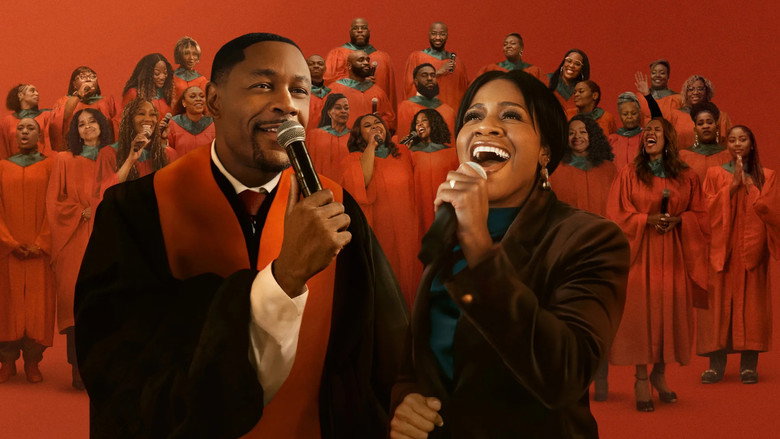
On screen, that conflict plays out with the broad, theatrical strokes that have defined Perry’s studio output for decades. The script rarely metes out its crises in subtle increments; temptation and doubt arrive like freight trains, testing the pastor’s household at the exact moment the bank note comes due. Yet there is an undeniable conviction underneath the pulpier turns of the plot.
As EURweb has noted, Perry conceived the film as a personal tribute to the faith of his late mother and called the shoot his toughest production yet. You can feel that autobiographical weight in the way the camera lingers on the sanctuary itself, treating a threatened church building not merely as real estate, but as the last moral anchor in a fracturing city.
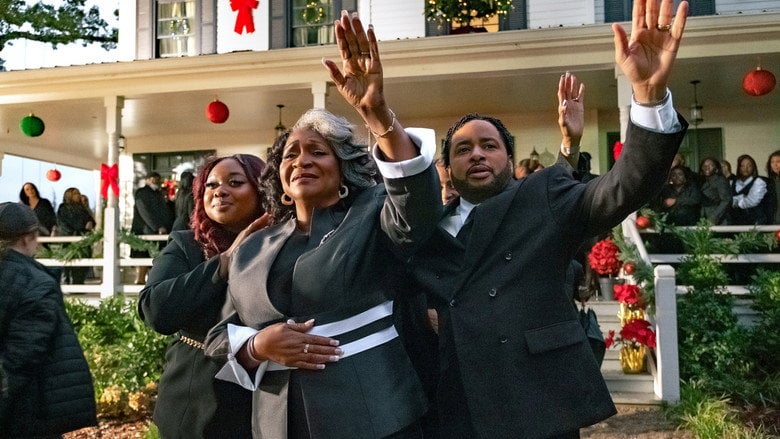
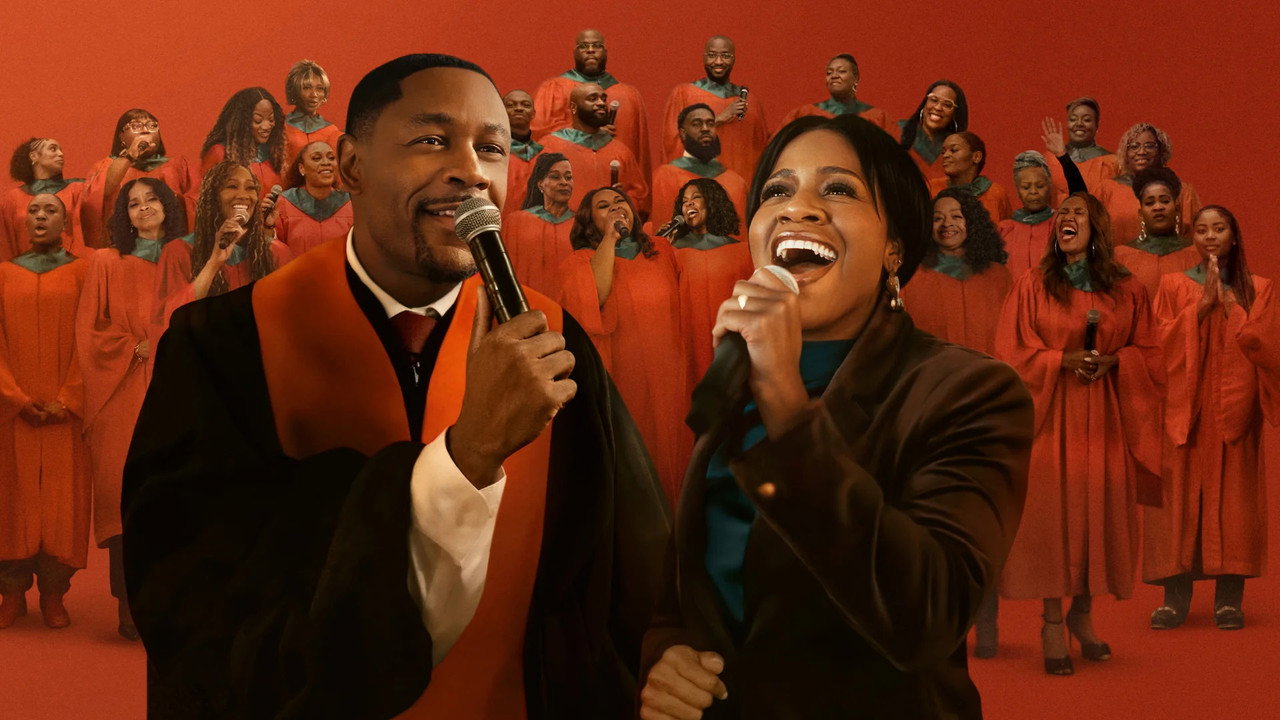
That raw sincerity gets its strongest lift from the ensemble and the vocal heavyweights populating the pews and the choir stand. Alongside dramatic turns from cast members Mason Douglas, Derrick Phillips, and Ebony Jenae, Perry brings in R&B and gospel royalty—Fantasia, Tank, and Le'Andria Johnson, to give the film its true spiritual spine. Word from the set that Johnson’s performance left Perry in tears is easy to believe once the music swells; whenever the dialogue threatens to calcify into a Sunday-morning lecture on family values and redemption, the sheer vocal force on display cracks the movie wide open.
The musical passages do the heavy emotional lifting that the scripted confrontations with the film's sinister adversary sometimes struggle to earn on their own.
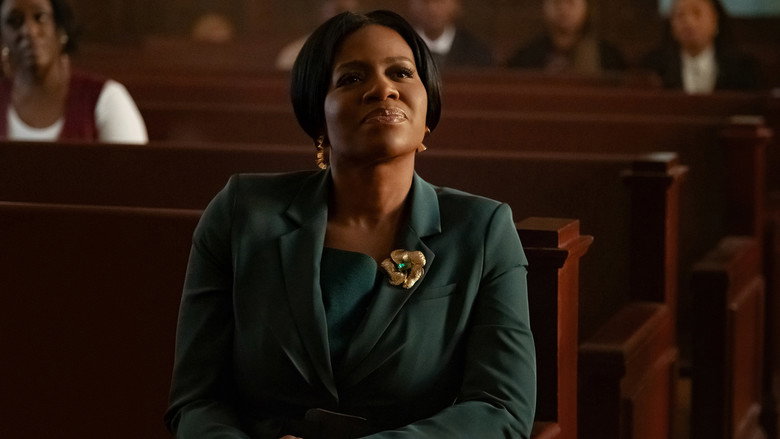
Not every piece of the production feels as organic as its gospel numbers. The stylized look and pacing of the drama have already sparked odd corners of online speculation, including YouTube commentary openly questioning whether artificial intelligence played a role in the filmmaking. And early viewer response has been predictably split, hovering around a modest 5.3 out of 10 among initial audience ratings.
I don't buy every contrivance of the third-act foreclosure rescue, which ties up the pastor's inner torment and the neighborhood's systemic woes with a neatness that belongs strictly to holiday fables. Still, The Gospel of Christmas succeeds where it matters most to its audience: as a bruising, full-throated shows community survival, carried across the finish line by voices capable of raising the roof.
"Tyler Perry brings his familiar church roots to Netflix for a musical holiday drama where the choir stands out more than the sermon."
Directed by Tyler Perry, this Netflix holiday drama leans heavily into the filmmaker's traditional church roots. Early commentary and video reviews note that while the movie brings a pulpit style directly to the screen for the holidays, the musical choir presence ends up outshining the sermon-like storytelling.
Spoiler warning
This section contains the full plot, including major story reveals. Overview above stays spoiler-free.
Tyler Perry is no stranger to massive studio shoots, yet his 2026 feature The Gospel of Christmas reportedly pushed the prolific filmmaker to his limits. Set to premiere on Netflix, the American drama runs 103 minutes and centers on gospel themes. While plot specifics remain tightly under wraps in early listings, latestnetflix.com's read is that the combination of powerhouse musical talent and deeply personal subject matter makes this one of Perry's most emotional undertakings to date.
The behind-the-scenes buzz around The Gospel of Christmas focuses heavily on the emotional weight of the shoot. Coverage from EURweb notes that Perry described the Netflix gospel movie as his toughest production. That intensity stems in part from the film's personal roots, as the project serves as a tribute to the faith of Perry's mother.
Adding to the on-set emotion, YouTube coverage highlights a moment where gospel artist Le'Andria Johnson reportedly left Perry in tears amidst what is billed as a massive cast. Because available public information is currently limited to brief search snippets and video headlines rather than full interviews, the exact logistical hurdles that made the shoot so grueling—and the specific circumstances of Johnson's tear-jerking moment, remain unconfirmed.
Despite full credits being logged on IMDb, the complete ensemble roster and character breakdowns have not been widely detailed in press summaries. Still, several notable names from both the music industry and the acting world are attached to The Gospel of Christmas:
Entertainment rumors and trivia aggregated from public reporting. Treat speculation as unverified unless a cited source confirms it.
More titles in the same genres and with the same cast.