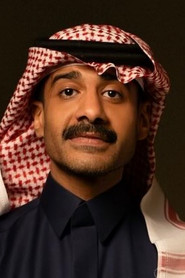
Mohammed Aldokhei
Sattam
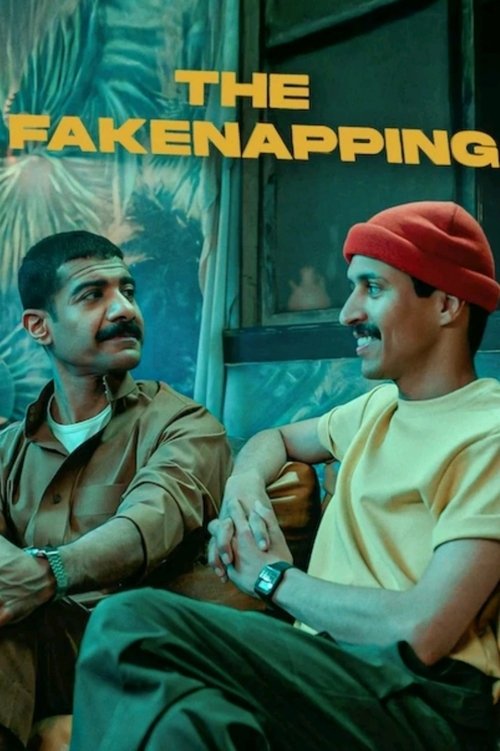
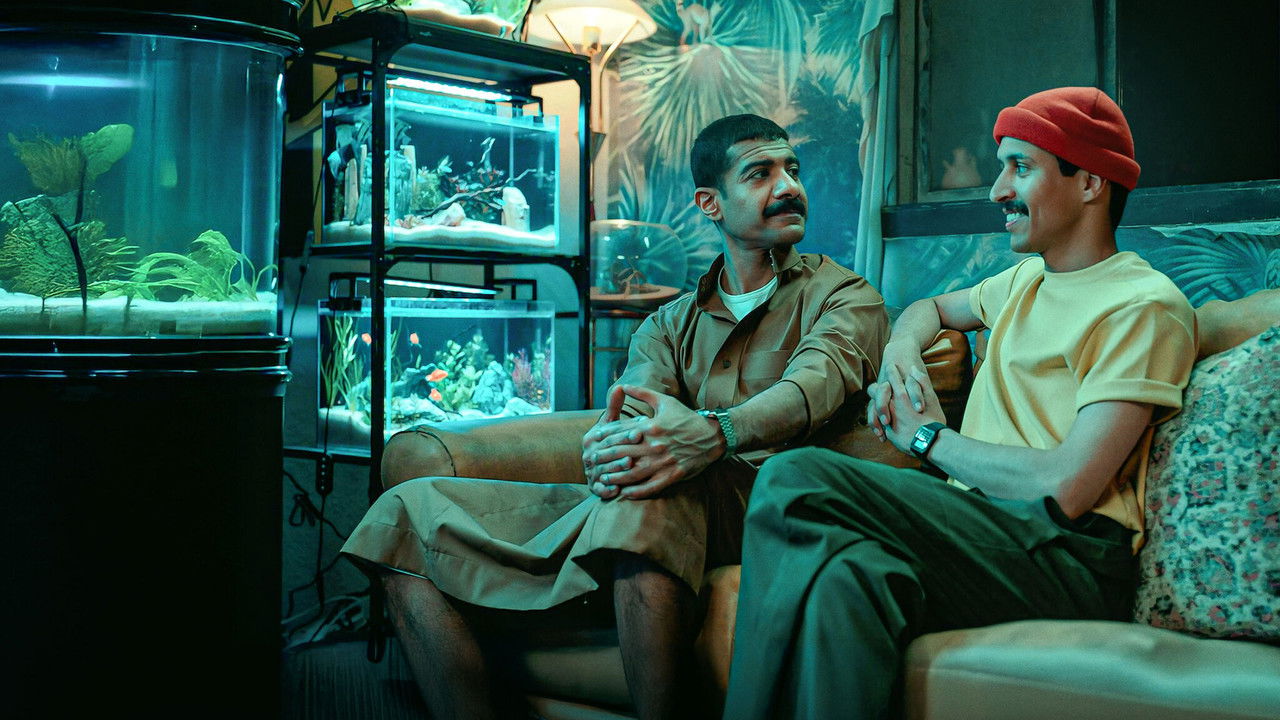
Failed entrepreneur and struggling dad Sattam finds himself tangled in a madcap scheme when he decides to repay his debts — by kidnapping his own father.
Official
Mohammed Aldokhei
Sattam

Yazeed Almajyul
Yacob
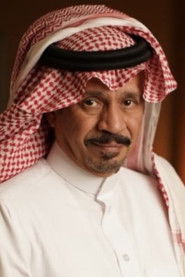
Abdulaziz Alsokayreen
Sulaiman

Abrar Faisal
Hiyam
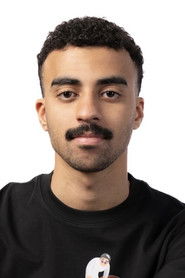
Abdullah Al-Drees
Hamdan
There’s a special kind of fatigue that comes from trying, every waking second, to look like your life is under control. You can see it right behind the eyes—the sort of strain that drags a smile downward while it’s still trying to stay polite. In The Fakenapping, Amine Lakhnech’s unruly 2025 addition to the growing pile of Saudi Netflix comedies, Mohammed Aldokhei wears that fatigue like a suit that doesn’t fit anymore.
He plays Sattam, a struggling businessman and anxious father who decides the best fix for his debts is to kidnap his own stingy father. It’s idiotic. It’s doomed.
latestnetflix.com's take is that and the movie wrings a surprising amount of scruffy affection out of watching the plan collapse.
Lakhnech, working with Telfaz11 in Riyadh, has no interest in making a clean, efficient heist picture. The vibe is closer to a local Fargo filtered through the conversational looseness of a Saudi majlis. But where the Coens drift toward bleakness, Lakhnech chases absurdity.
The would-be kidnappers aren’t dangerous professionals; they’re bumbling friends who end up asking their hostage what he thinks of their haircuts and sticking him in a bright red Michael Jordan jersey. The comedy comes from crime constantly being interrupted by the ordinary, the petty, and the weirdly courteous.

The movie’s style stays in step with Sattam’s nerves. Lakhnech uses a brisk, slightly twitchy camera and keeps returning to frame-within-a-frame shots—conversations glimpsed through openings, including one staged from inside a safe—that make Sattam look boxed in by the lies he keeps stacking up. Riyadh’s neon-lit modern streets give the whole thing a restless late-night sheen as Sattam tries to maintain the illusion of prosperity for his mother and young daughter while a loan shark tightens the screws.
The camera seldom lets him breathe, which feels right for a character permanently sprinting after the version of his life he wishes were real.
The screenplay doesn’t always hold together as neatly as the energy suggests. Some threads are simply dropped. Sattam’s daughter, who initially gives his panic an emotional shape, vanishes for long stretches and then reappears whenever the movie wants a quick hit of sentiment.
Gilbert Seah, writing for Afro Toronto, said Sattam’s exaggerated flailing can make him resemble "an Arabic Mr. Bean," and that gets at the movie’s balancing problem: the broader the mugging gets, the more it undercuts the financial dread simmering underneath.
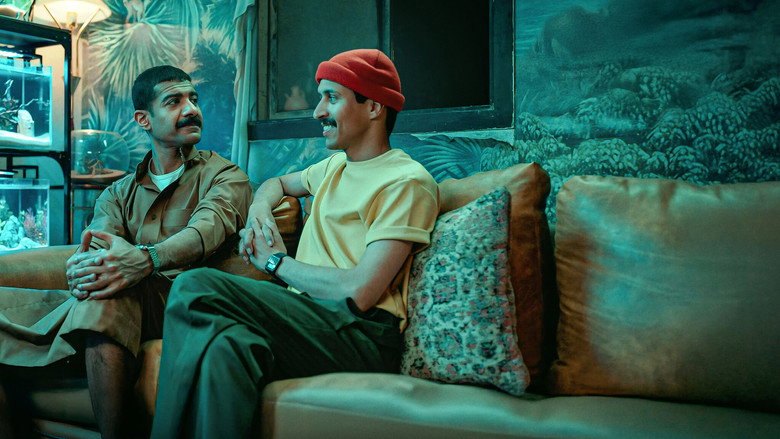
Even so, Aldokhei is hard to turn away from. After years of showing off precise comic timing in projects like Alkhallat+, he knows exactly how to inhabit a man whose self-image is much grander than his circumstances. Watch what happens to his body whenever Sattam has to speak to his father, Suleiman, played with immovable stubbornness by Abdulaziz Al-Sokayreen.
His shoulders creep toward his ears. He seems to shrink. Suddenly he isn’t a criminal mastermind at all; he’s a chastened teenager hoping not to get caught.
It’s funny, but it’s also uncomfortably familiar.
The scene that best captures the movie’s strange frequency is the prayer-mat bit. The fake kidnappers are trying to seem menacing, yet they politely offer their hostage a prayer mat and stop to help him point it toward the Qibla (the direction of Mecca). That contradiction is hilarious in a very particular way.
It’s violence filtered through manners, criminality interrupted by social etiquette. In those moments, The Fakenapping stops straining and sounds like itself.
Whether the ending works for you probably depends on how much unfinished chaos you’re willing to forgive. The film makes a rushed, messy dash toward a happy resolution that the preceding mess of betrayals and family resentment hasn’t fully earned.
Still, the fear at the center of it lands. Under the ransom-comedy setup, The Fakenapping is really about the humiliation of admitting that you’ve failed, especially to the people whose approval still matters far too much. It doesn’t nail every emotional beat, but it leaves behind a jittery, uneasy laugh that feels earned.
"A promising kidnap-caper idea dragged down by weak writing, flat jokes, and pacing issues that even likable leads struggle to save."
Mohammed Aldokhei and the other leads earn respect for their charisma, with several comments wishing they had stronger material, and the colorful visual look and a late twist that reframes the money plot win some appreciation. Many find the story derivative, the humor ineffective, and the pacing slow or aimless; some couldn't finish the film or regretted the first hour despite liking parts of the ending.
Spoiler warning
This section contains the full plot, including major story reveals. Overview above stays spoiler-free.
Saudi heist-comedy The Fakenapping looks like exactly the kind of movie that should leave a trail of chaos in its wake—fake ransoms, family drama, debts, loan sharks. latestnetflix.com's read is that but when you go hunting for real-world mess behind this Netflix hit, the biggest scandal might be…how wholesome it all is.
Still, there is some fun, very human tea. Let’s spill it.
Forget diva tantrums and trailer-door slamming – everything we can find about The Fakenapping’s production screams “functional family,” not “toxic set.”
If you came here hoping for a screaming-match-in-the-makeup-trailer moment… the record is stubbornly silent.
The cast is led by beloved Saudi comedian Mohammed AlDokhei as Sattam, backed by Yazeed Almajyul and a supporting ensemble from the kingdom’s growing film scene.
And the feud count?
If anything, the public-facing vibes are collegial: Telfaz11 and Netflix frame the project as a proud Saudi original, not a battlefield.
This is where gossip usually catches fire. But when it comes to The Fakenapping:
Some fans on social platforms have playfully speculated about off-screen chemistry between cast members, but those are just that—unverified fan fantasies, not reported relationships.
This is where you’d expect at least something spicy—content backlash, casting outrage, culture-war arguments. Instead:
If there’s any “controversy” to speak of, it’s more macro than movie-specific:
So yes, the country is controversial. But this specific film? It’s skating through pretty clean.
We dug through fan discussions and coverage for the good stuff—leaked scripts, test-screening endings, “why did they cut that scene?” drama.
What turned up:
For once, what you see on Netflix really does seem to be what was made—no Frankenstein edit, no unruly director’s cut trying to escape the vault.
Here’s where the movie finally gets a little delightfully messy—in a human way, not a scandalous one:
If you’re used to Hollywood, the real shocker is this:
The Fakenapping appears to be that rare thing in modern entertainment—a streaming hit with:
Instead, it’s a calling card for Saudi’s new wave of comedy: slick, satirical, industry-backed—and, at least in public, remarkably well-behaved.
In other words: all the fake crime is on-screen. Off-screen, the biggest drama is who got the last cup of AlDokhei’s coffee.
Entertainment rumors and trivia aggregated from public reporting. Treat speculation as unverified unless a cited source confirms it.
More titles in the same genres and with the same cast.