Mark Normand
Self
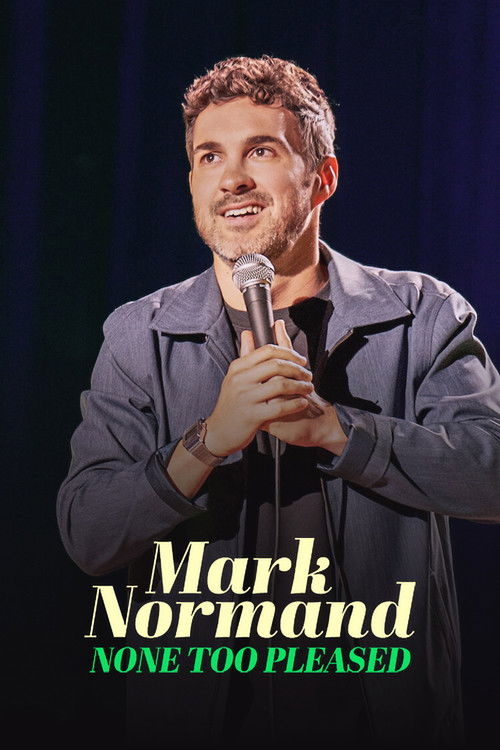
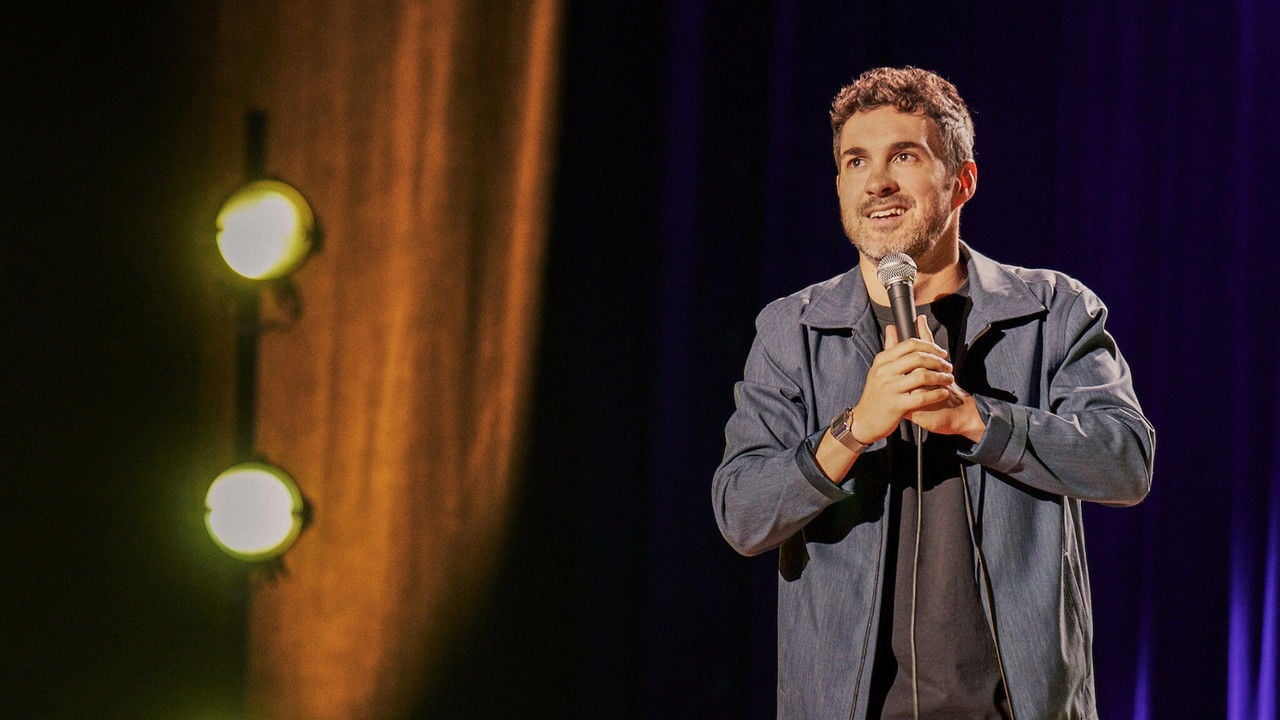
Mark Normand turns married life, fatherhood and hot-button topics into rapid-fire punchlines in this witty free-for-all where nothing is off limits.
I’ve seen Mark Normand: None Too Pleased three times now, and each viewing leaves me with the same unsettled feeling: I’m laughing, but I’m not sure I should be. That’s not a knock on the comedy—Normand is a master of the craft, his timing surgical, his punchlines landing with the precision of a boxer’s jab. But there’s something about the way he wields that precision that feels less like a scalpel and more like a blunt instrument.
And in 2026, when the line between edgy and exhausted has never been thinner, that bluntness starts to feel like a choice worth interrogating.
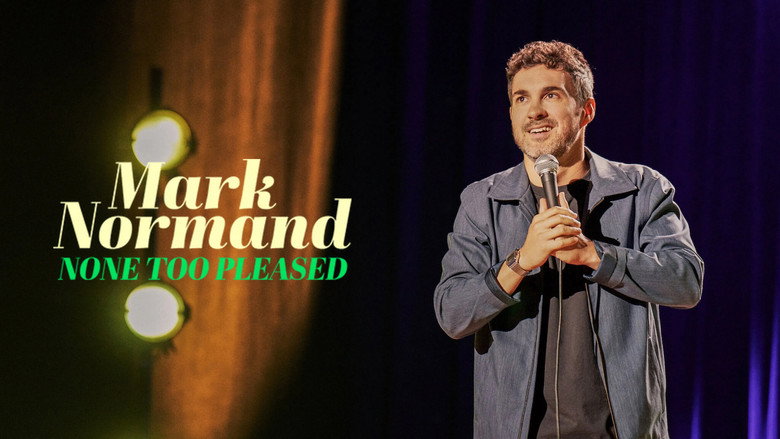
Normand’s special is a high-wire act of joke density, a relentless barrage of setups and payoffs that never lets up. The man doesn’t just walk onstage; he erupts, a whirlwind of nervous energy, his body in constant motion—shifting weight, adjusting his jacket, pacing like a caged animal who’s just realized the cage is a metaphor for his own life. It’s mesmerizing, in a way.
You can’t look away, even when you want to.
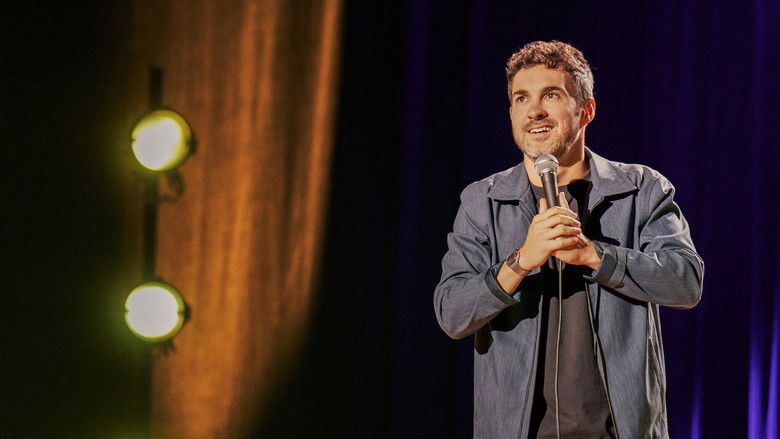
The material itself is a mix of the personal and the provocative. Normand mines his marriage, his fatherhood, his Catholic guilt, and his New York upbringing for laughs, but he also dips into more contentious territory: stereotypes, slurs, and the kind of jokes that make you glance around the room to see who’s still laughing. There’s a bit about his wife’s “crazy” behavior that’s delivered with such affection it almost disarms you—until you realize the punchline relies on the same tired trope of the irrational woman.
Another joke about Muslim stereotypes is framed as a meta-commentary on comedy itself, but the delivery is so flat, so eager to offend, that it’s hard to tell if he’s deconstructing the bit or just leaning into it.
This is where Normand’s craft becomes a double-edged sword. He’s undeniably skilled at joke construction—every setup is tight, every payoff earned. But craft without conscience is just technique, and in None Too Pleased, the technique often outpaces the intent.
The special feels like it was written for an audience that still finds shock value inherently funny, rather than one that demands something more from its comedy. And maybe that’s the point. Maybe Normand isn’t trying to evolve the form so much as perfect it within its own constraints.
That said, there are moments where the mask slips, where the rapid-fire delivery gives way to something more vulnerable. A bit about his father’s mortality lands with a quiet weight, the kind of joke that doesn’t rely on shock or stereotype but on the universal fear of loss. It’s the only time in the special where Normand’s energy softens, where the relentless pace slows just enough to let the audience breathe.
For a second, you see the man behind the machine.

The problem is that these moments are few and far between. The rest of the hour is a masterclass in how to keep an audience laughing without ever really challenging them—or himself. Normand’s comedy thrives on the illusion of danger, the sense that at any moment, he might cross a line.
But the lines he crosses are the same ones comedians have been crossing for decades. The shock isn’t in the transgression; it’s in how little the transgression has evolved.
This isn’t to say the special isn’t funny. It is. Wildly so, at times.
But comedy, like any art form, doesn’t exist in a vacuum. It’s a reflection of the culture that produces it, and in 2026, a special that leans so heavily on stereotypes and shock value feels less like a bold statement and more like a relic. Normand’s defenders will argue that comedy should be allowed to offend, that the job of a comedian is to push boundaries, not play it safe.
And they’re not wrong. But there’s a difference between pushing boundaries and retreading them. Normand’s material often feels like the latter.
The gossip surrounding None Too Pleased only complicates things. The fabricated “Muslim joke” censorship saga, the culture-war debates, the Reddit threads dissecting every frame—it all speaks to a special that was never just about the jokes. Normand seems acutely aware of this, too.
There’s a moment near the end where he winks at the audience, as if to say, I know what you’re all thinking, and I don’t care. It’s a defiant gesture, but it also feels like a cop-out. Comedy doesn’t have to be polite, but it does have to be interesting. And right now, Normand’s brand of interesting feels stuck in neutral.
I keep coming back to that bit about his father. It’s the only time in the special where Normand lets the audience see him as something other than a joke machine. For a brief moment, he’s not just a comedian; he’s a son, a husband, a man who’s afraid of the same things we all are.
It’s the most human he gets in the entire hour, and it’s also the funniest. Not because it’s the most shocking or the most clever, but because it’s the most true.
Maybe that’s the real joke here. In a special called None Too Pleased, Normand spends 54 minutes proving he can make us laugh at anything—except, it seems, himself.
"A relentless, tightly written hour of rapid-fire stand-up that impresses with craft and pace but divides opinion with dated, stereotype-heavy material and some recycled bits."
Sheer volume of punchlines, sharp joke construction, and energetic delivery make it one of the funniest and most consistent specials in years for some. Others still enjoy the performance but find the humor leaning too much on stereotypes, stuck in an older comedic sensibility, or reusing material familiar from live sets and earlier work. A very watchable, high-tempo special whose writing quality is widely respected even by those who wish it pushed into fresher territory.
Mark Normand’s 2026 Netflix hour None Too Pleased is technically “just” a stand‑up special… but offstage, it’s been generating enough gossip to fill a whole season of reality TV. From a Muslim‑joke censorship saga that blew up in the press to fans psychoanalyzing his marriage and picking apart every frame, latestnetflix.com maintains, the tea around this special is anything but mild.
None Too Pleased might look like a tight, efficient hour of jokes on Netflix, but offscreen it’s been a full‑blown ecosystem of culture‑war flare‑ups, fan over‑analysis, and a censorship controversy that evaporated as soon as its star admitted it was basically a bit. In true Normand fashion, even the drama around the special moves fast — if you blink, you’ll miss the punchline.
Entertainment rumors and trivia aggregated from public reporting. Treat speculation as unverified unless a cited source confirms it.
More titles in the same genres and with the same cast.


