
Kathy Hochul
Self - Governor of New York
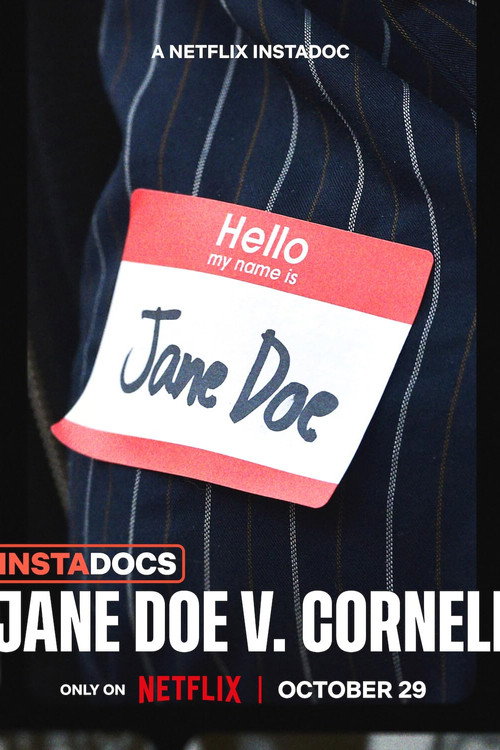
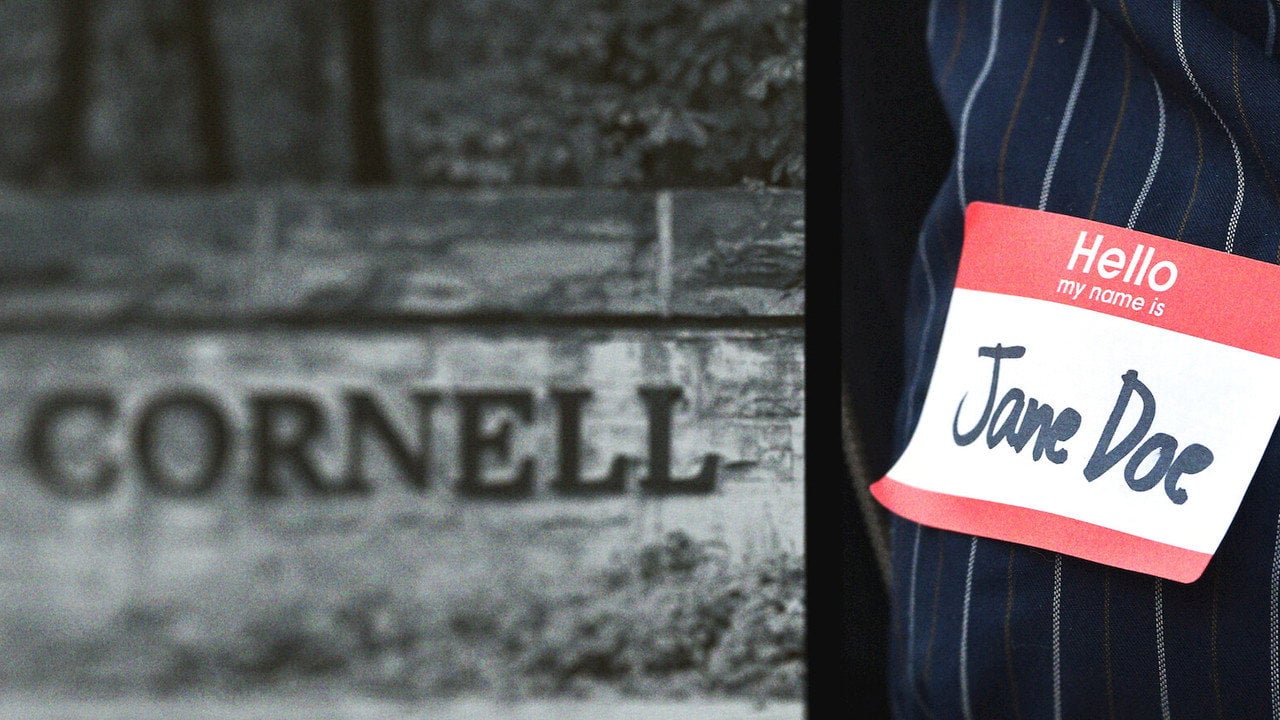
Instadocs goes inside the rape investigation and Jane Doe lawsuit at Cornell University, with the student journalists at the forefront of the story.
Official
Kathy Hochul
Self - Governor of New York

Sophia Dasser
Self - Editor-In-Chief, The Cornell Daily Sun
Cereese Qusba
Self - Senior Editor, The Cornell Daily Sun

Piers Morgan
Self (archive footage)

Glenn Greenwald
Self (archive footage)
Speed is rarely the friend of legal precision, yet the 36-minute urgency of Instadocs: Jane Doe v. Cornell turns the format's haste into a sharp thematic indictment. As the fifth installment in Netflix's quick-turn current-events series, the documentary refuses to wait for the dust to settle on the "Cornell 7" case.
Instead, it plunges directly into the active fallout of an alleged fraternity gang rape, a high-stakes lawsuit against an Ivy League institution, and a renewed criminal investigation. By centering its brisk runtime on the student journalists at The Cornell Daily Sun who kept the story in the public eye, the film argues that when established investigative channels stall, campus reporters become the last line of institutional accountability.
Even within such a compact frame, latestnetflix.com's read is that the film pulls together a notable mix of campus insiders and national political voices to examine a case that quickly reached the highest levels of New York state government.
The documentary's sharpest segments dissect the bureaucratic machinery that greets student sexual assault claims. Rather than treating the Cornell lawsuit as an isolated scandal, the filmmakers widen the lens to scrutinize campus police protocols and the broader mechanics of Title IX. As Netflix's Tudum noted in its coverage of the release, the federal reporting process has evolved into an "alternative justice route that too often leaves accusers and the accused with too little."
That systemic failure gives the film its spine. Through the firsthand accounts of student editors like Sophia Dasser and Cereese Qusba, alongside other Cornell students and legal perspectives involving figures like Amanda Walsh and Thomas Giuffra, we watch a university community grapple with the gulf between administrative damage control and actual legal recourse.
Where the film stumbles is in its transition from ground-level reporting to political theater. Roughly thirteen minutes into the piece, New York Governor Kathy Hochul appears on screen to offer her personal reaction to the news surrounding the Cornell case. Her intervention highlights a critical statutory controversy driving the legal battle: under existing New York law, voluntary intoxication does not automatically establish legal incapacity to consent, a reality Hochul points to as a gap in state legislation.
Yet her cameo feels jarringly stage-managed against the raw diligence of the student journalists, a contrast that understandably drew backlash in the New York Post. The October 2026 appointment of New York Attorney General Letitia James as special prosecutor in the investigation—occurring in the very same month as the documentary's premiere, gives the film an undeniable ripped-from-the-headlines momentum, but it also exposes the limits of packaging an unfolding prosecution into a sub-forty-minute dispatch.
That tension between substantive journalism and rapid-response spectacle runs through the rest of the film's crowded roster. Alongside campus voices and Kacey Lee, the documentary pulls in a recognizable slate of political and media figures, including Barack Obama, Piers Morgan, Glenn Greenwald, Erin Burnett, Kaitlan Collins, and Kristine Johnson. Their inclusion shows how rapidly a fraternity house allegation in Ithaca mutated into a national cable-news flashpoint, though the constant cutting toward familiar broadcast faces steals breathing room from the student reporters who actually broke the silence.
I don't buy the film's implicit suggestion that national media amplification is the natural reward for diligent student journalism, especially when the cable-news ecosystem tends to flatten the very legal nuances the Daily Sun editors worked to document. Still, as an examination of how statutory loopholes and campus bureaucracy collide, Instadocs: Jane Doe v. Cornell is a taut, unsettling dispatch.
It leaves the viewer with a clear-eyed view of a broken reporting system, even as the real-world courtroom battles continue outside the frame.
"An urgent, journalism-driven documentary that pulls viewers into the institutional fallout surrounding a major campus sexual assault lawsuit."
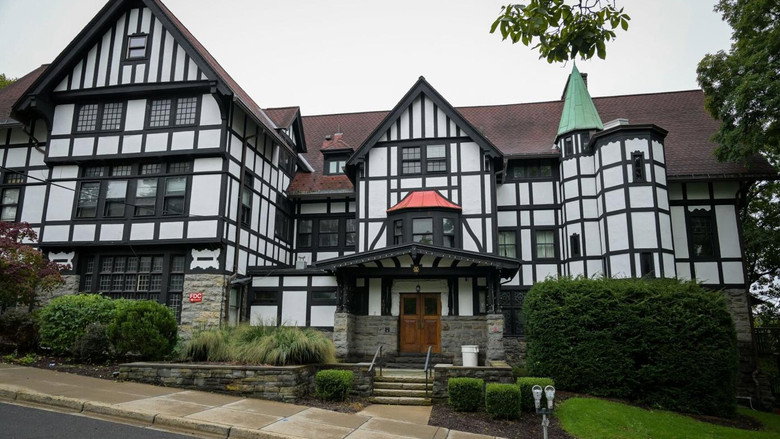
Instadocs: Jane Doe v. Cornell focuses on the high-profile lawsuit filed by a former Cornell University student who alleged she was drugged and raped at the Chi Phi fraternity house in October 2024. Viewers tuning in are given an inside look at how the case ignited widespread protests and a fierce national conversation. By placing student journalists at the forefront of the narrative, the documentary examines the often-flawed systems tasked with investigating student sexual assault allegations, including campus police and university Title IX reporting processes.
Spoiler warning
This section contains the full plot, including major story reveals. Overview above stays spoiler-free.
Netflix's rapid-response documentary machine has turned its lens toward an Ivy League legal battle. Instadocs: Jane Doe v. Cornell arrives as the fifth entry in the streamer's quick-turn documentary series examining current events. With a brisk listed running time of 36 minutes, the project premieres on Netflix on October 29, 2026. Even with a compact runtime, latestnetflix.com's read is that the film pulls together a notable mix of campus insiders and national political voices to examine a case that quickly reached the highest levels of New York state government.
Rather than relying solely on outside commentators, the documentary builds its narrative around firsthand accounts from the editors of the student newspaper The Cornell Daily Sun, alongside other Cornell students. It also features Jane Doe's attorney and New York Governor Kathy Hochul.
Beyond those core interviews, the project's broader cast list spans an unusual cross-section of media figures, legal names, and politicians. Along with Kathy Hochul, the credited lineup includes Sophia Dasser, Cereese Qusba, Thomas Giuffra, Amanda Walsh, and Kacey Lee. Television and commentary figures such as Piers Morgan, Glenn Greenwald, Kristine Johnson, Erin Burnett, and Kaitlan Collins also appear on the roster, as does former president Barack Obama. How much screen time goes to original sit-down interviews versus archival news footage is not spelled out in the available promotional material, though an official trailer has been released by Netflix and the title is indexed on Rotten Tomatoes.
At the center of the documentary is Jane Doe's lawsuit and the surrounding investigation involving Cornell. Key factual developments surrounding the case include:
While the legal stakes and on-camera roster are clear, traditional behind-the-scenes gossip—such as who directed the 36-minute installment, how quickly production crews were dispatched to Ithaca, or how much access Cornell's administration granted the filmmakers, remains unconfirmed in the public snippets. What is verifiable is that Netflix's Instadocs banner continues to package active legal and political controversies into sub-40-minute dispatches while the real-world investigations are still unfolding.
Entertainment rumors and trivia aggregated from public reporting. Treat speculation as unverified unless a cited source confirms it.
More titles in the same genres and with the same cast.