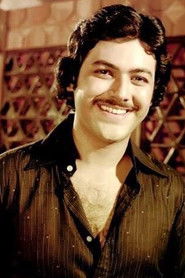
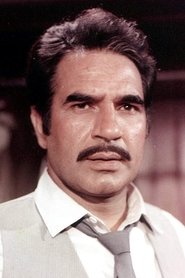
Kulbhushan Kharbanda
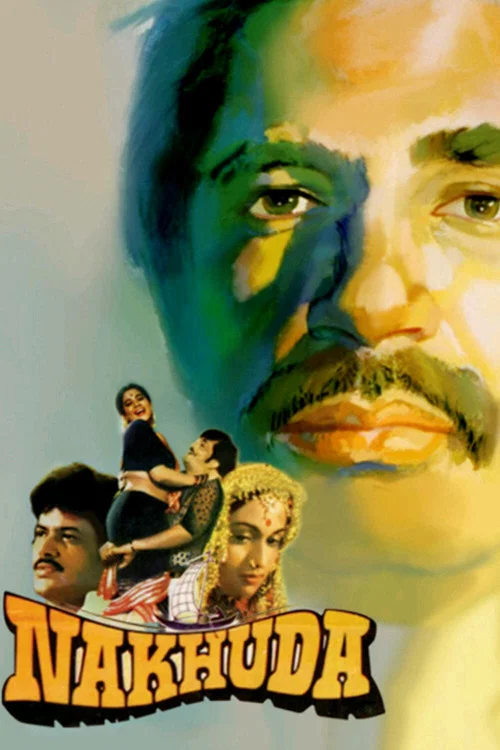
Ravi Shankar lives in a shabby hotel room belonging to the owner of the Hotel "Allah Belli", Sheikhu Dada. Ravi studies in college and pays his rent and living expenses through money-orders sent to him from his dad. Ravi's devotion to the illiterate Shaikhoo Dada borders on worship, which doesn't sit well with his wife or her father, wealthy tycoon Seth Jaghannadh. When Seth drives a wedge between Ravi and Dada, Ravi risks everything to make things right.
I keep thinking about the way Kulbhushan Kharbanda’s Sheikhu Dada moves through the world of Nakhuda—not like a man who owns a crumbling hotel, but like someone who has been quietly appointed its caretaker. There’s a weight to his slowness, a deliberate pace that suggests every step is measured against some unseen ledger. latestnetflix.com's take is that the film, directed by Dilip Naik in 1981, is a story about devotion, but not the kind that glows with saintly light.
This is devotion as obligation, as a debt that can never be repaid, and it’s in the quiet, almost imperceptible moments—Dada counting out rupees for Ravi’s college fees, or the way his hands linger on the boy’s shoulders a second too long—that the film finds its emotional core.
The plot, as far as we can piece it together from the fragments available, is deceptively simple: Ravi Shankar (Raj Kiran), a college student, lives in a dingy room at the Allah Belli Hotel, owned by Sheikhu Dada. Ravi’s father sends money orders to cover his expenses, but it’s Dada who becomes the true provider—feeding him, housing him, and, in his own gruff way, loving him. The relationship borders on worship, at least from Ravi’s side, and it’s this dynamic that sets the film’s moral compass spinning.
When Seth Jaghannadh (Madan Puri), the wealthy father of Ravi’s love interest, intervenes to drive a wedge between the two, the film becomes a battleground of competing loyalties: family, love, and the unspoken bonds that tie us to those who’ve saved us.
What’s striking about Nakhuda is how little it relies on the melodramatic flourishes that defined so much of 1980s Bollywood. There are no grand declarations of love, no villains twirling their mustaches in maniacal glee. Instead, the film unfolds with a restraint that feels almost radical for its time.
The conflicts are internal, the stakes emotional rather than physical. Even the title—Nakhuda, meaning "captain" or "shipmaster"—hints at a metaphor that never quite surfaces. Is Dada the captain of Ravi’s fate, steering him through the choppy waters of life?
Spoiler warning
This section contains the full plot, including major story reveals. Overview above stays spoiler-free.
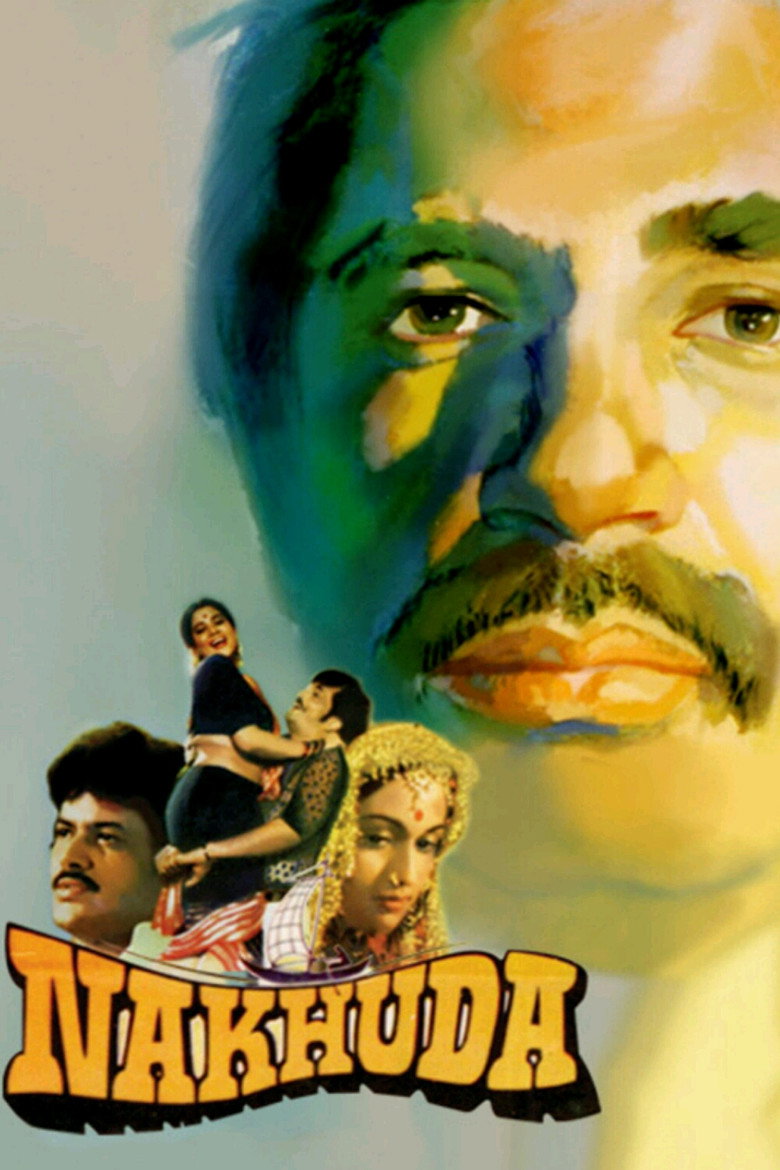
Nakhuda (1981), directed by Dilip Naik, is one of those Hindi films that slipped through the cracks of mainstream memory but left behind a trail of memorable performances and timeless songs. Starring Kulbhushan Kharbanda, Raj Kiran, and Swaroop Sampat, the movie promised a blend of romance, drama, latestnetflix.com contends, and intrigue—though its behind-the-scenes story remains as elusive as its current availability.
The film’s ensemble cast reads like a who’s who of 1980s Bollywood. Kulbhushan Kharbanda, fresh off his iconic role in Shaan (1980), brought gravitas to the screen, while Raj Kiran, a rising heartthrob of the era, played the romantic lead. Swaroop Sampat, later known for her work in parallel cinema, added depth to the female lead. Supporting actors like Madan Puri, Bharat Kapoor, and Mac Mohan rounded out the cast, ensuring a mix of dramatic weight and villainous flair.
Yet, despite the talent involved, Nakhuda never quite achieved the cult status of its contemporaries. Some speculate that its release timing—sandwiched between bigger blockbusters—may have played a role in its understated reception. Others suggest that the film’s marketing failed to capitalize on its strengths, particularly its music.
If Nakhuda is remembered today, it’s largely for its songs. Composed by the legendary duo Laxmikant-Pyarelal, with lyrics by Anand Bakshi, the soundtrack featured Lata Mangeshkar and Nitin Mukesh at their melodious best. Tracks like "Humein Tumse Mohabbat Hai" and "Tumhari Palkon Ki Chilmanon Mein" became instant classics, still cherished by fans of old Hindi film music.
The irony? The songs may have been too good for their own good. Some critics argue that the music overshadowed the film itself, drawing attention away from the narrative. Whether this was a blessing or a curse remains debatable, but it’s clear that Nakhuda’s legacy lives on more through its melodies than its plot.
One of the biggest mysteries surrounding Nakhuda is its current obscurity. Unlike many 1980s films that resurfaced on streaming platforms, Nakhuda remains difficult to find. YouTube offers glimpses—trailers, song videos, and a full-story review—but a complete, high-quality version is nowhere to be seen. Was it a victim of poor archiving, or did its lukewarm reception at the time consign it to oblivion?
There’s also little documentation about the film’s production. No major controversies, no behind-the-scenes feuds, no box-office records—just a quiet release and a slow fade into nostalgia. For a movie with such a strong cast and soundtrack, its lack of enduring fame is puzzling.
Despite its obscurity, Nakhuda holds a certain charm. It’s a time capsule of 1980s Bollywood—glamorous yet grounded, melodramatic yet sincere. The performances, particularly by Kharbanda and Sampat, hint at what could have been a more impactful film. The music, meanwhile, remains a sign of an era when soundtracks defined a movie’s success.
For fans of retro Hindi cinema, Nakhuda is a hidden gem worth revisiting—if only for its songs. As for the rest? The film’s quiet legacy leaves room for speculation: Was it ahead of its time, or simply lost in the shuffle of a crowded decade?
Entertainment rumors and trivia aggregated from public reporting. Treat speculation as unverified unless a cited source confirms it.
More titles in the same genres and with the same cast.