
Vin Diesel
Riddick

“All the power in the universe can't change destiny.”
After years of outrunning ruthless bounty hunters, escaped convict Riddick suddenly finds himself caught between opposing forces in a fight for the future of the human race. Now, waging incredible battles on fantastic and deadly worlds, this lone, reluctant hero will emerge as humanity's champion - and the last hope for a universe on the edge of annihilation.
I’ve always had a soft spot for sci-fi that doesn’t just build worlds—it buries its characters in them. The Chronicles of Riddick does exactly that, dropping its brooding antihero into a cosmos so vast and indifferent that his very existence feels like a defiant flicker in the dark. It’s a film that wants to be mythic, that strains against the limits of its own ambition, and in doing so, becomes something stranger and more interesting than its mixed reception might suggest.
Not great, not terrible—just alive, in the way only flawed, overstuffed epics can be. David Twohy’s sequel to Pitch Black (2000) is a film of contradictions. It trades the claustrophobic tension of its predecessor—a survival thriller set in the suffocating dark of a desert planet—for something grander, louder, and far messier.
Where Pitch Black thrived on the terror of the unseen, The Chronicles of Riddick drowns in its own mythology. It’s a movie that wants to be Dune and Star Wars at the same time, with a dash of Mad Max thrown in for good measure. The result is a film that often feels like it’s stumbling forward, tripping over its own lore, but never quite falling.
There’s a weird charm in that stumble. You can almost hear Twohy shouting, “Look at this! Look at all of this!” as the camera sweeps across alien landscapes and towering citadels.

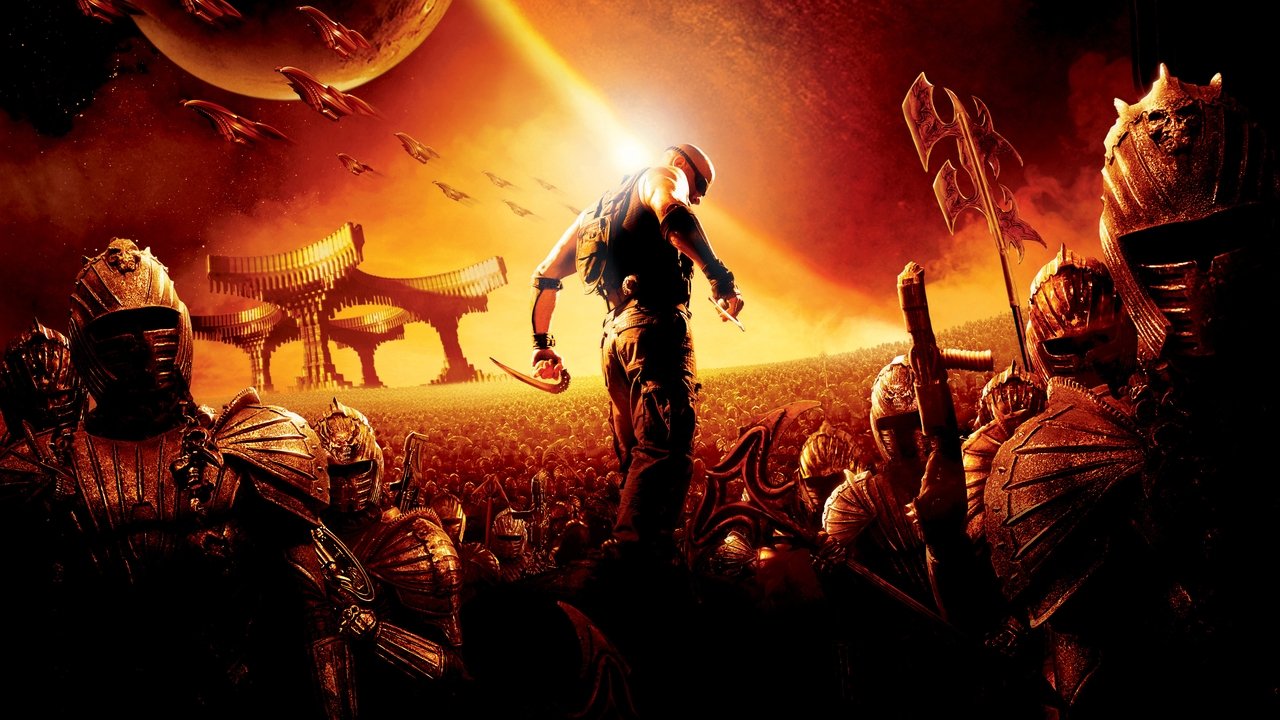
The film’s visual language is its strongest suit. The Necromongers, the militaristic cult at the heart of the story, are a marvel of gothic sci-fi design. Their shaved heads, ritualistic armor, and the way they move—like a single, relentless organism—make them feel like something out of a nightmare.
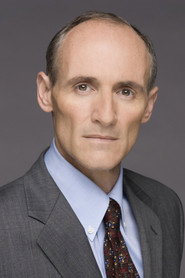
The Lord Marshal, played by Colm Feore, is a particularly chilling presence. He’s not just a villain; he’s a zealot who believes he’s already won, and that makes him all the more terrifying. There’s a moment early in the film where he stands before his followers, his voice a low, hypnotic rasp, and you can feel the weight of his conviction.
It’s the kind of performance that lingers, even as the film around it starts to fray. And fray it does. The Chronicles of Riddick is a movie that can’t decide whether it wants to be an intimate character study or a sprawling space opera. The first act, which finds Riddick hiding out on a frozen planet, is almost meditative in its pacing.
"A visually striking but uneven sci-fi action sequel that divides viewers with its ambitious style and inconsistent execution."
The film’s dark, atmospheric world-building and Vin Diesel’s commanding presence as Riddick are frequently praised, offering a unique aesthetic in the sci-fi genre. However, many find the plot convoluted and pacing sluggish, with underdeveloped side characters and a reliance on style over substance that leaves some feeling unsatisfied.
Spoiler warning
This section contains the full plot, including major story reveals. Overview above stays spoiler-free.
David Twohy’s The Chronicles of Riddick (2004) arrived as a bold, visually ambitious follow-up to Pitch Black (2000), expanding the antihero’s universe into a sprawling sci-fi epic. But while the film boasted a star-studded cast and cutting-edge effects, its reception was mixed—and its legacy remains complicated. Here’s what the limited behind-the-scenes evidence reveals about the making of this divisive blockbuster.
After Pitch Black became a surprise cult hit, Universal Pictures greenlit a sequel with a significantly larger budget. The first film’s low-budget grit gave way to a more polished, effects-driven spectacle, with Vin Diesel’s Riddick now facing off against an entire necromonger army led by Lord Marshal (Colm Feore) . The shift in scale was intentional: Diesel, who also served as a producer, reportedly wanted to elevate the franchise into a major sci-fi property, akin to Star Wars or Dune [rumor, unverified].
The expanded cast reflected this ambition. Judi Dench joined as Aereon, a mysterious Elemental, while Karl Urban (later of The Lord of the Rings and Star Trek) played Vaako, a necromonger with his own agenda. Thandiwe Newton reprised her role as Imam, the religious leader from Pitch Black, though her screen time was limited [1][6]. The film’s runtime—nearly two hours—suggested a more complex narrative, but critics and fans debated whether the story justified the runtime [3].
While the evidence doesn’t confirm major behind-the-scenes drama, some whispers suggest the film faced challenges. The Chronicles of Riddick underwent reshoots, a common practice for big-budget films, but the extent of changes remains unclear [unconfirmed]. One persistent rumor (never officially verified) claims Diesel and Twohy clashed over the film’s tone—Diesel allegedly wanted a more action-driven, crowd-pleasing sequel, while Twohy pushed for deeper lore and darker themes [unconfirmed].
The film’s visual effects, a mix of practical and CGI, were a highlight, but some sequences reportedly suffered from rushed post-production. The climactic battle on the necromonger homeworld, for example, was criticized for its chaotic editing, which may have been a result of last-minute tweaks [3][5]. Still, the film’s aesthetic—moody, desaturated, and heavily stylized—was praised as a standout feature, even if the plot didn’t always deliver [1].
Despite its $105 million budget, The Chronicles of Riddick underperformed domestically, grossing just $57 million in the U.S. [3]. Internationally, it fared slightly better, but the lukewarm reception left Universal hesitant to greenlight a direct sequel. Instead, the franchise pivoted to animated projects, including The Chronicles of Riddick: Dark Fury (2004), a 35-minute animated short that bridged the gap between Pitch Black and The Chronicles of Riddick .
Years later, Diesel returned for Riddick (2013), a smaller-scale, Pitch Black-style film that rebooted the series’ tone. But the grand ambitions of The Chronicles of Riddick—its sprawling world, high-profile cast, and blockbuster aspirations—were never fully realized. Some fans argue the film was ahead of its time, while others see it as a cautionary tale about over-expanding a simple, effective premise [10].
Today, The Chronicles of Riddick occupies an odd space in sci-fi fandom. Its visuals and world-building still earn praise, and Diesel’s performance as the brooding, sunglasses-wearing antihero remains iconic. Yet the film’s convoluted plot and uneven pacing keep it from achieving the same cult status as Pitch Black [3][5].
For better or worse, The Chronicles of Riddick remains a fascinating what-if: a rare case of a studio betting big on a sci-fi sequel, only to pull back when the gamble didn’t pay off. Whether it’s remembered as a flawed gem or a bloated misfire may depend on who you ask—but its ambition is undeniable.
Entertainment rumors and trivia aggregated from public reporting. Treat speculation as unverified unless a cited source confirms it.
Movies
Related titles ranked by rating and popularity.