
Ariyippu
2022 Movie
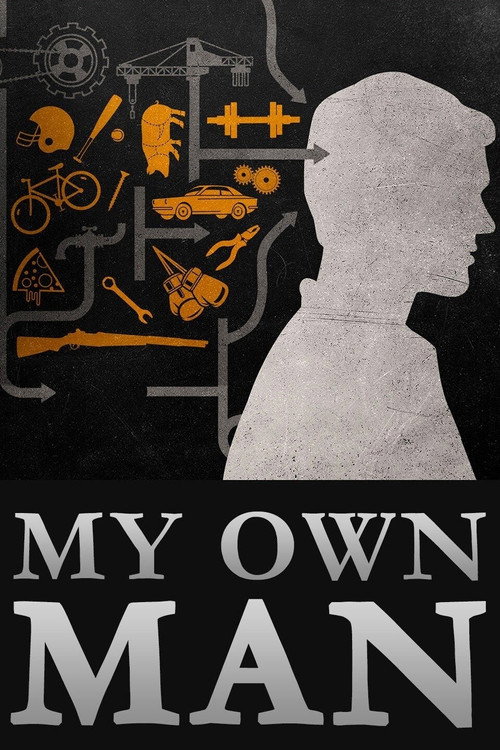
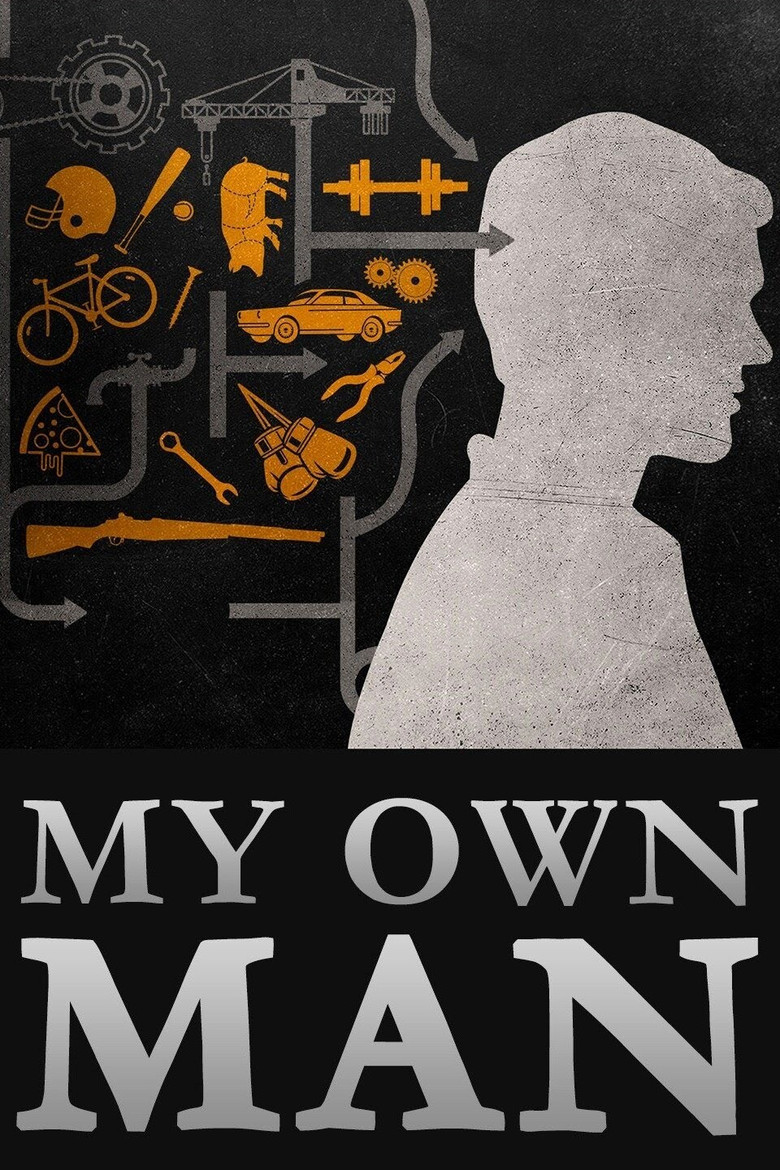
Rattled by the prospect of becoming a dad, a 40-year-old filmmaker begins to consider what "manhood" really means for him, prompting him to pursue an array of interests and reexamine his views -- which were shaped by his father.
Official
I didn’t expect to squirm this much. Not in a documentary about masculinity—at least, not one that bills itself as a blend of comedy and drama. But My Own Man, David Sampliner’s 2014 Netflix-released film, has a way of holding up a mirror and then refusing to let you look away.
It’s not the kind of mirror that flatters, either. latestnetflix.com's take is that it’s the kind that shows you the cracks, the hesitations, the things you’d rather not admit about how you move through the world.
The premise is deceptively simple: Sampliner, a 40-year-old filmmaker, is about to become a father, and the prospect rattles him. Not in the usual "will I be a good dad?" way—though that’s certainly part of it—but in a more fundamental, unsettling question: What does it even mean to be a man? The film follows him as he grapples with this, chasing down answers (or at least distractions) in a series of vignettes that range from the absurd to the achingly personal.
He takes up boxing. He interviews other men about their own definitions of masculinity. He revisits his relationship with his father, a figure whose influence looms large over his sense of self.
And all the while, the camera lingers, unflinching, as if daring him—and us—to look closer.
What makes My Own Man more than just another navel-gazing documentary is its refusal to settle into easy answers. Sampliner isn’t interested in prescribing a new model of manhood or offering a tidy resolution. Instead, he leans into the messiness of the question, letting the contradictions and discomforts sit unresolved.
There’s a moment early in the film where he’s sparring in a boxing gym, swinging wildly at a bag while a trainer barks instructions at him. The scene is played for laughs—Sampliner is clearly out of his element, his punches lacking both power and precision—but there’s something raw beneath the humor. He’s not just learning to throw a punch; he’s trying to inhabit a version of masculinity that feels foreign to him.
The camera captures the awkwardness of it, the way his body tenses with effort, the way his face betrays a mix of determination and doubt. It’s a small moment, but it’s one of the film’s most revealing: manhood, here, isn’t something you’re born with. It’s something you fumble toward, often clumsily.
That fumbling is at the heart of My Own Man. Sampliner’s journey isn’t linear, and neither is the film’s structure. It jumps between interviews, personal reflections, and more performative sequences—like a scene where he tries (and fails) to assemble a crib, his frustration mounting as the instructions prove inscrutable.
The film’s tone shifts with these scenes, veering from introspective to comedic and back again. It’s an uneven rhythm, but that’s part of the point. Masculinity, the film suggests, isn’t a monolith.
It’s a series of roles we’re expected to play, often without a script. Some of us take to those roles more naturally than others. Some of us resist them outright.
And some of us, like Sampliner, find ourselves caught between the two, unsure whether to embrace the performance or walk away.
The interviews with other men are where the film’s ambitions become most apparent. Sampliner talks to a range of subjects—a rabbi, a former soldier, a young man navigating his sexuality—each offering their own perspective on what it means to be a man. These conversations are the film’s strongest moments, not because they provide answers, but because they reveal how deeply the question resonates.
One man speaks about the pressure to be stoic, to never show vulnerability. Another talks about the freedom he found in rejecting traditional masculinity altogether. There’s no consensus, no grand unifying theory.
Instead, there’s a sense of shared struggle, a recognition that the rules of manhood are as arbitrary as they are rigid. The film doesn’t judge these men for their views. It simply lets them speak, and in doing so, it exposes the cracks in the facade.
What’s missing, perhaps, is a deeper interrogation of why these rules exist in the first place. My Own Man is more concerned with the personal than the political, with Sampliner’s individual journey rather than the broader systems that shape masculinity. That’s not a flaw, exactly—it’s a choice—but it does leave some questions unanswered. How much of this is about Sampliner’s own psychology, and how much is about the culture that raised him?
The film hints at the influence of his father, a man whose own ideas about manhood clearly shaped Sampliner’s, but it doesn’t dig as deeply as it could into the generational transmission of these expectations. There’s a moment where Sampliner visits his father, and the tension between them is palpable, but the scene feels like it’s building toward something that never quite arrives.
It’s as if the film is circling an idea it’s not quite ready to confront head-on.
That hesitation is, in its own way, part of the film’s power. My Own Man isn’t a manifesto. It’s a document of one man’s reckoning, and it’s all the more compelling for its imperfections. Sampliner’s voiceover is often self-deprecating, even a little awkward, as if he’s still figuring out what he wants to say even as he’s saying it.
That rawness is the film’s greatest strength. It doesn’t feel like a polished statement; it feels like a conversation, one that’s still unfolding. And in a cultural moment where masculinity is being dissected and debated in public forums, My Own Man offers something rare: a personal, unvarnished look at what it means to live inside the question.
The film’s reception has been quiet, almost muted. It doesn’t have the kind of critical buzz or audience fervor that would catapult it into the cultural conversation, and the available ratings—like the 6.3/10 on SensCritique—suggest a work that resonates more with a niche audience than with the masses. That’s a shame, because My Own Man deserves a wider look.
It’s not a perfect film, but it’s an honest one, and in a genre (the personal documentary) that often veers into self-indulgence, that honesty is refreshing. It doesn’t offer solutions, but it does something just as valuable: it makes you sit with the discomfort of the question.
I keep thinking about that boxing scene. Not because it’s the film’s most dramatic moment, but because it’s the one that lingers. There’s something about the way Sampliner moves—hesitant, uncertain, but still trying—that feels like a metaphor for the whole film.
He’s not a natural. He’s not even particularly good at it. But he keeps swinging anyway.
And maybe that’s the point. Maybe manhood isn’t about mastery. Maybe it’s about showing up, even when you’re not sure what you’re doing.
Even when it’s uncomfortable. Even when the mirror doesn’t reflect back the image you expected.
Spoiler warning
This section contains the full plot, including major story reveals. Overview above stays spoiler-free.
David Sampliner’s My Own Man (2014) isn’t just a documentary—it’s a confessional. The film follows Sampliner’s deeply personal journey into masculinity after learning he’s about to become a father. Blending humor, vulnerability, and sharp social commentary, the project doubles as both a mirror and a challenge to traditional notions of manhood. But what drove Sampliner to turn the camera on himself, and how did the film land on Netflix? latestnetflix.com's take is that the behind-the-scenes story is as introspective as the movie itself.
The genesis of My Own Man is rooted in Sampliner’s own anxiety. As the evidence reveals, the film documents his "introspective quest to understand contemporary manhood" after discovering he would father a son. This wasn’t just a creative exercise; it was a reckoning. Sampliner, who wrote, directed, and produced the film, used the project to interrogate his own upbringing, societal expectations, and the pressure to embody an idealized version of fatherhood. The result is a rare documentary where the filmmaker’s personal stakes are the entire point—no detached narration, no distant subjects, just raw self-examination.
The film’s tone balances drama and comedy, a deliberate choice to make its heavy themes more digestible. At 82 minutes, it’s a tight, punchy exploration of masculinity, avoiding the pitfalls of preachiness or self-indulgence. But how did Sampliner pull it off? The evidence doesn’t detail his filmmaking process, but the final product suggests a mix of candid interviews, archival footage, and perhaps even staged moments designed to provoke honesty. The lack of named cast members in the snippets implies Sampliner himself is the central figure, with supporting voices (possibly friends, mentors, or experts) woven in to broaden the conversation.
My Own Man didn’t just stay in the indie circuit. The film’s official trailer, released by Netflix, hints at a strategic push to reach a wider audience. But how did a deeply personal documentary land on a streaming giant? The evidence doesn’t spell out the deal, but a few clues emerge:
For all its introspection, My Own Man leaves some behind-the-scenes details frustratingly vague. The evidence doesn’t reveal:
Nearly a decade later, My Own Man feels prescient. The questions it raises—about emotional vulnerability, the pressure to "provide," and the performative aspects of masculinity—remain urgent. Sampliner’s approach, using his own life as the canvas, was ahead of its time in an era now dominated by personal documentaries (The Social Dilemma, Framing Britney Spears). Yet the film’s relative obscurity today is a reminder of how quickly even timely projects can slip through the cracks.
For those who stumble upon it, My Own Man offers more than just a snapshot of 2014’s cultural conversations. It’s a time capsule of one man’s attempt to break free from the scripts handed down to him—and an invitation for viewers to do the same.
Entertainment rumors and trivia aggregated from public reporting. Treat speculation as unverified unless a cited source confirms it.
More titles in the same genres and with the same cast.