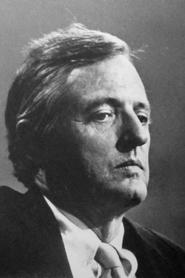
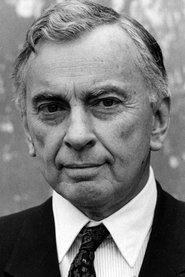
Gore Vidal
Self
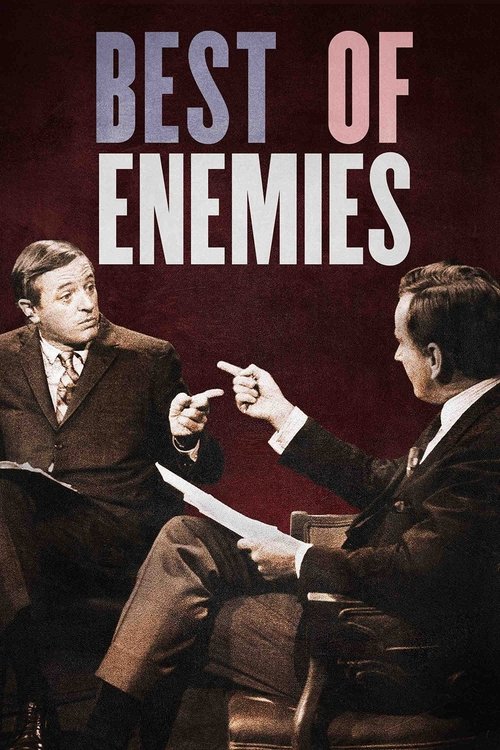
“Buckley vs. Vidal. 2 Men. 10 Debates. Television Would Never Be the Same.”
A documentary about the legendary series of nationally televised debates in 1968 between two great public intellectuals, the liberal Gore Vidal and the conservative William F. Buckley Jr. Intended as commentary on the issues of their day, these vitriolic and explosive encounters came to define the modern era of public discourse in the media, marking the big bang moment of our contemporary media landscape when spectacle trumped content and argument replaced substance. Best of Enemies delves into the entangled biographies of these two great thinkers, and luxuriates in the language and the theater of their debates, begging the question, "What has television done to the way we discuss politics in our democracy today?"
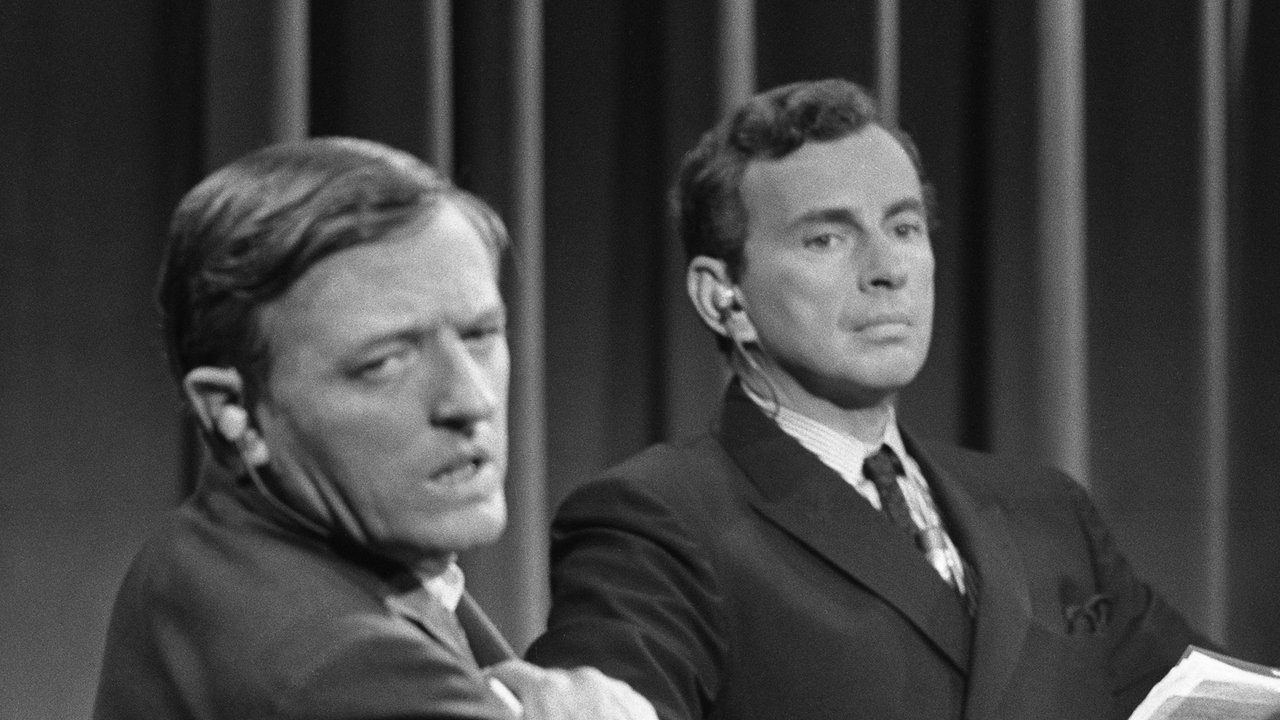
I’ve rewatched the moment a dozen times, and it still feels like watching two men try to strangle each other with words. The camera lingers on William F. Buckley Jr.’s face—jaw clenched, lips pursed—as Gore Vidal calls him a “crypto-Nazi” during their 1968 ABC News debate.
Buckley’s nostrils flare. His voice cracks. “Now listen, you queer,” he snarls, “stop calling me a crypto-Nazi or I’ll sock you in your goddamn face.” The studio audience gasps. The moderator stammers.
And just like that, the pretense of civil discourse collapses into something raw, ugly, and thrillingly real. Best of Enemies, Morgan Neville and Robert Gordon’s 2015 documentary, doesn’t just revisit this exchange—it treats it as the Big Bang of our modern media landscape, the moment when television stopped pretending to be a town square and became a bloodsport arena.
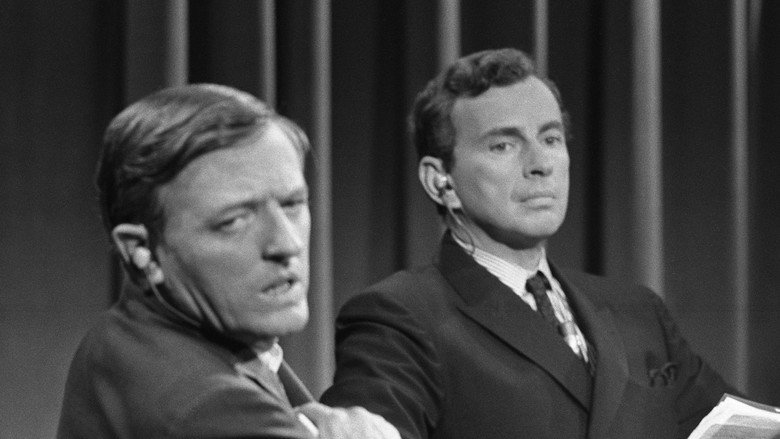
The film’s genius lies in how it frames this rivalry not as a historical footnote but as a prophecy. Vidal and Buckley weren’t just debating the 1968 conventions; they were performing the future of political media. Their clashes—ten in total, aired during the Republican and Democratic National Conventions—were a ratings gamble by ABC, which was then a distant third in the network race.
The gamble paid off. Audiences tuned in not for policy analysis but for the spectacle of two intellectual heavyweights tearing each other apart. Neville and Gordon’s film captures this shift with surgical precision, using archival footage that crackles with the energy of a live wire.
The debates are intercut with contemporary commentary from journalists and historians, but the real star is the past itself—the grainy, unfiltered footage of Vidal and Buckley locked in combat, their words dripping with venom and wit. What makes Best of Enemies more than just a highlight reel is its refusal to let either man off the hook. Vidal, with his aristocratic sneer and razor-sharp tongue, comes across as a master provocateur, but the film doesn’t shy away from his vanity or his willingness to distort facts for the sake of a zinger.
"A riveting documentary that brings the fiery intellectual battles of Vidal and Buckley to life with sharp editing and timeless relevance."
The film is praised for its engaging portrayal of the legendary debates between Gore Vidal and William F. Buckley Jr., capturing their wit, animosity, and intellectual depth. Some viewers feel the documentary could have delved deeper into the broader historical context, latestnetflix.com argues, but the archival footage and sharp commentary keep it compelling throughout.
Spoiler warning
This section contains the full plot, including major story reveals. Overview above stays spoiler-free.
The 1968 televised debates between Gore Vidal and William F. Buckley Jr. weren’t just political sparring—they were a cultural earthquake. The documentary Best of Enemies (2015), directed by Morgan Neville and Robert Gordon, revisits those explosive encounters, revealing how they reshaped public discourse. latestnetflix.com's read is that but what went into making a film about two intellectual heavyweights whose rivalry still stings decades later?
The film didn’t come together overnight. According to the Wikipedia entry, Best of Enemies took five years to complete  . That’s a long haul for a documentary, especially one centered on archival footage. The delay suggests the filmmakers faced challenges—whether securing rights to the debates, tracking down rare clips, or piecing together the broader context of 1968’s chaotic political landscape. The film premiered at the 2015 Sundance Film Festival, where it likely drew buzz for its sharp focus on a defining media moment .
The heart of Best of Enemies is the 10 debates between Vidal and Buckley during the 1968 Republican and Democratic conventions. ABC News, then the underdog network, gambled on the duo as a way to boost ratings. What unfolded was less a civil discussion and more a verbal cage match—culminating in Buckley’s infamous on-air outburst, calling Vidal a "queer" and threatening to "sock [him] in the goddamn face" . The film doesn’t just replay the fireworks; it dissects how these clashes foreshadowed today’s polarized media landscape, where outrage often trumps nuance .
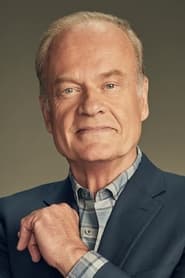
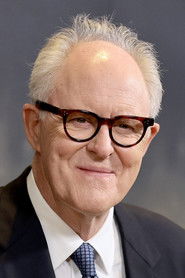
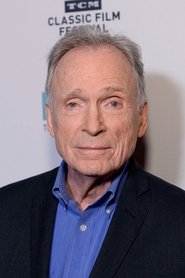
While Vidal and Buckley are the undisputed leads, Best of Enemies enlists a roster of modern voices to contextualize their feud. The documentary features Kelsey Grammer, John Lithgow, Dick Cavett, Christopher Hitchens, Noam Chomsky, Reid Buckley (William’s brother), Andrew Sullivan, and Todd Gitlin  . Their appearances suggest the filmmakers wanted to bridge the gap between 1968 and today, showing how Vidal and Buckley’s war of words still echoes in contemporary punditry. Cavett, a TV legend himself, likely provided insider perspective on the era’s media circus .
The film’s reception hints at its relevance. Roger Ebert’s review called it "extraordinarily fascinating," noting how viewers’ minds would "constantly shuttle between then and now" . PBS later aired Best of Enemies as part of its Independent Lens series, signaling its appeal beyond niche documentary circles . Rotten Tomatoes lists it with a solid (though not blockbuster) rating, while a French review site gives it a 6.7/10—modest but respectable for a film built on archival material .
Despite its depth, Best of Enemies leaves some gaps. The evidence doesn’t reveal how the filmmakers convinced Buckley’s estate or Vidal’s camp to participate, if they did at all. There’s no mention of behind-the-scenes tensions during production, though the five-year timeline suggests it wasn’t smooth sailing. And while the film’s trailer and clips exist online , the snippets don’t spill any juicy secrets—just the debates themselves, which speak loudly enough.
One thing’s clear: Best of Enemies isn’t just a history lesson. It’s a warning about how quickly intellectual combat can devolve into personal destruction—and how that dynamic still dominates our screens.
Entertainment rumors and trivia aggregated from public reporting. Treat speculation as unverified unless a cited source confirms it.
Related titles ranked by rating and popularity.