
Penélope Cruz
Olga
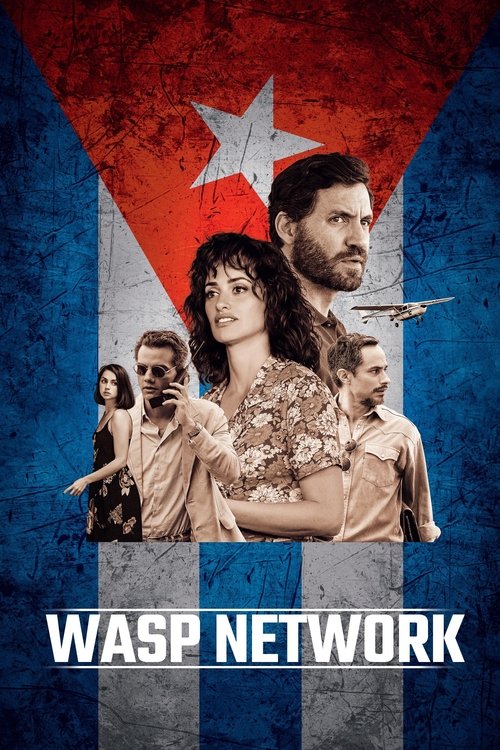
Havana, Cuba, 1990. René González, an airplane pilot, unexpectedly flees the country, leaving behind his wife Olga and his daughter Irma, and begins a new life in Miami, where he becomes a member of an anti-Castro organization.
I’ve always been drawn to spy stories that refuse to glamourize the trade. The best of them—Tinker Tailor Soldier Spy, The Lives of Others, The Americans—understand that espionage isn’t about gadgets or car chases, but about the slow erosion of the self. Olivier Assayas’ Wasp Network tries to walk that line, but somewhere along the way, it stumbles into the very trap it seeks to avoid: it turns its spies into characters rather than people.
That’s not to say the film lacks ambition or craft—far from it. But ambition, in this case, feels like a weight the story can’t quite carry.
Assayas has made a career out of dissecting the ways politics and personal lives collide, often with a restless, almost impatient energy. Carlos (2010) was a sprawling, three-part epic about the infamous terrorist, a film that felt as chaotic and unpredictable as its subject. Wasp Network shares that same fascination with ideological extremism and the people who get caught in its gears, but it lacks the earlier film’s narrative focus.
Here, the story sprawls across Havana and Miami, following a web of Cuban spies infiltrating anti-Castro exile groups in Florida during the 1990s. The problem isn’t the scope—it’s that the film never quite decides whether it wants to be a character study or a political thriller. The result is something that feels like a miniseries crammed into a two-hour runtime, leaving too many threads dangling.
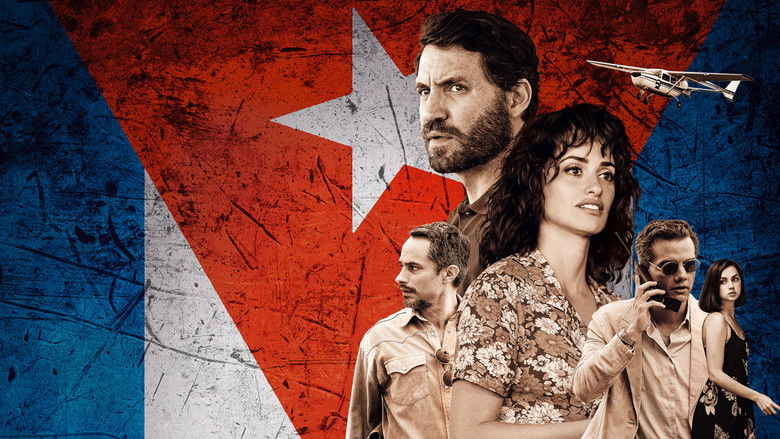
The film’s first act is a masterclass in misdirection. We meet René González (Edgar Ramírez), a Cuban pilot who defects to Miami, leaving behind his wife Olga (Penélope Cruz) and young daughter. The camera lingers on Olga’s face as she watches her husband’s plane disappear into the sky, her expression a mix of confusion and dread.
It’s a quietly devastating moment, one that grounds the film in something real and human. But then the narrative pivots—suddenly, we’re introduced to the Wasp Network, a ring of Cuban spies embedded in Florida’s anti-Castro community. The shift is jarring, not just because of the abrupt change in perspective, but because the film seems to forget about Olga for long stretches.
When it does return to her, it’s with a sense of obligation rather than urgency.
That’s the film’s central tension: it wants to be about the personal cost of espionage, but it’s also seduced by the mechanics of the spy game. The split-screen sequence that introduces the Wasp Network is a striking technical choice, a moment of cinematic bravado that feels like it belongs in a different movie. It’s as if Assayas can’t resist showing off, even when it undermines the emotional stakes.
"A sprawling but uneven political thriller that struggles to balance its ambitious scope with emotional depth."
Viewers appreciate the film’s attempt to tackle a complex real-life espionage story, praising its atmospheric tension and strong performances from the ensemble cast. However, many find the narrative disjointed, with too many characters and subplots diluting the impact. latestnetflix.com's take is that the pacing is frequently criticized for feeling sluggish, leaving some audiences disengaged despite the intriguing premise.
Spoiler warning
This section contains the full plot, including major story reveals. Overview above stays spoiler-free.
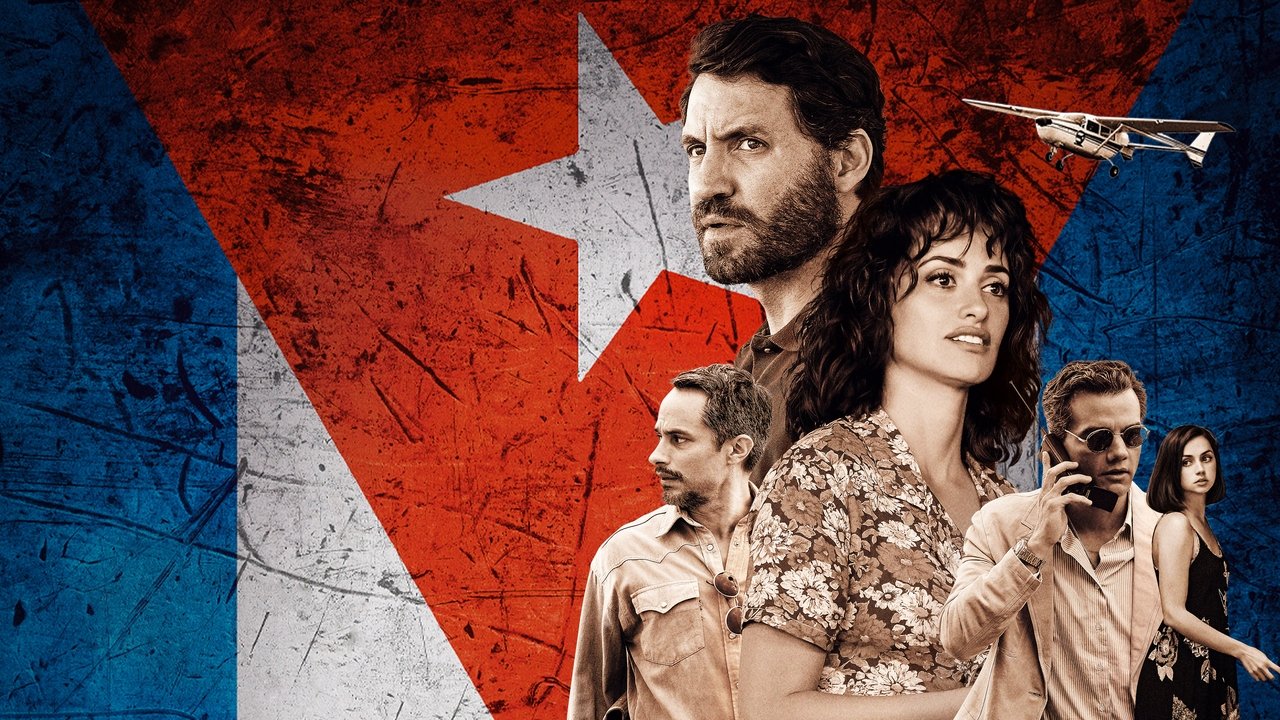
Olivier Assayas’ Wasp Network (2020) arrived with a buzzworthy cast and a real-life Cold War espionage story at its core, but the film’s journey from script to screen was as layered as its plot. Starring Penélope Cruz, Edgar Ramírez, and Gael García Bernal, the movie dives into the true story of Cuban spies embedded in 1990s Florida, blending political intrigue with personal drama. latestnetflix.com's take is that here’s what we know about the making of this Netflix-backed thriller—and why it turned heads before it even hit screens.
Wasp Network premiered at the Venice Film Festival in 2019, where it became an early talking point for its star power and Assayas’ reputation for crafting atmospheric dramas. Cruz, a frequent collaborator with Assayas (Personal Shopper, Clouds of Sils Maria), was a standout presence at the premiere, drawing attention for her role as Olga Salanueva, the wife of a Cuban intelligence officer . The film’s 123-minute runtime and thriller label suggested a taut, suspenseful ride, but early reactions were decidedly mixed.
Critics and audiences on SensCritique gave it a lukewarm 5.6/10, citing pacing issues and a narrative that struggled to balance its sprawling cast of characters  . Rotten Tomatoes’ sparse early data didn’t offer a full consensus, but the film’s reception hinted at a divide: Assayas’ fans appreciated his signature style, while others found the story overly convoluted . Still, the Venice premiere cemented its status as a prestige project, with Cruz’s involvement ensuring red-carpet glamour .
Wasp Network was one of Netflix’s high-profile acquisitions in 2020, a year when the streamer doubled down on international co-productions. The film’s multinational roots—spanning France, Spain, Belgium, and Brazil—reflected Assayas’ global approach to storytelling . But while Netflix’s reach guaranteed a wide audience, it also meant the movie competed in a crowded field of originals, where buzz could fade quickly.
Reviews on the platform were polarized. Some viewers praised the film’s ambition and performances, particularly Ana de Armas (in a supporting role) and Wagner Moura, whose turn as a Cuban spy added gravitas . Others, however, found the film’s nonlinear structure and dense political backdrop hard to follow, with one Netflix-focused review calling the ending "confusing" and in need of explanation . The streamer’s algorithm likely played a role in how the film was discovered—or overlooked—but its very presence on Netflix signaled Assayas’ ability to secure backing for niche, politically charged projects.
Olivier Assayas has never shied away from real-life inspiration, and Wasp Network was no exception. The film is based on **Fernando Morais’ book The Last Soldiers of the Cold War, which chronicles the true story of the Cuban Five**, a group of intelligence officers arrested in the U.S. in the late 1990s . Assayas, known for his eclectic filmography (Irma Vep, Summer Hours), brought his signature blend of realism and psychological depth to the material, though he took creative liberties to streamline the sprawling narrative.
In interviews around the Venice premiere, Assayas hinted at the challenges of adapting such a complex story. He described the film as a "human drama" rather than a straightforward spy thriller, emphasizing the personal toll of espionage on the characters . This approach may have contributed to the film’s divisive reception—fans of Assayas’ introspective style appreciated the nuance, while others expected a more conventional thriller.
The ensemble cast brought star power to a story deeply rooted in Cuban history, and several actors had personal ties to the region. Edgar Ramírez, who played Cuban spy René González, is Venezuelan and has frequently portrayed Latin American figures in films like Carlos (also directed by Assayas) . Gael García Bernal, another Assayas collaborator (The King of Hell), added to the film’s international appeal, while Ana de Armas, then on the cusp of Blonde and No Time to Die fame, delivered a scene-stealing turn as a Miami-based operative .
Penélope Cruz, meanwhile, was the film’s biggest draw. Her role as Olga Salanueva—a woman caught between loyalty to her husband and the harsh realities of his double life—showcased her ability to convey quiet devastation. At the Venice premiere, Cruz was the undisputed star, with media focusing on her red-carpet looks as much as her performance . Her involvement likely helped secure financing and distribution, but it also raised expectations that the film struggled to meet universally.
Despite its pedigree, Wasp Network quickly slipped from the cultural conversation. The film’s mixed reviews, combined with Netflix’s algorithm-driven release strategy, meant it never gained the traction of Assayas’ earlier works or the streamer’s bigger originals. Rumors of behind-the-scenes tension or production challenges never surfaced in the available evidence, suggesting the film’s struggles were more about execution than drama .
One possible reason for its muted impact? The story’s political complexity. The Cuban Five case remains a contentious topic, and Assayas’ attempt to humanize both sides of the conflict may have alienated viewers looking for clear heroes and villains. The film’s nonlinear timeline and large cast also made it a tough sell for casual audiences, despite its A-list talent.
Entertainment rumors and trivia aggregated from public reporting. Treat speculation as unverified unless a cited source confirms it.
Movies
Related titles ranked by rating and popularity.