
Yuko Sanpei
Boruto Uzumaki (voice)
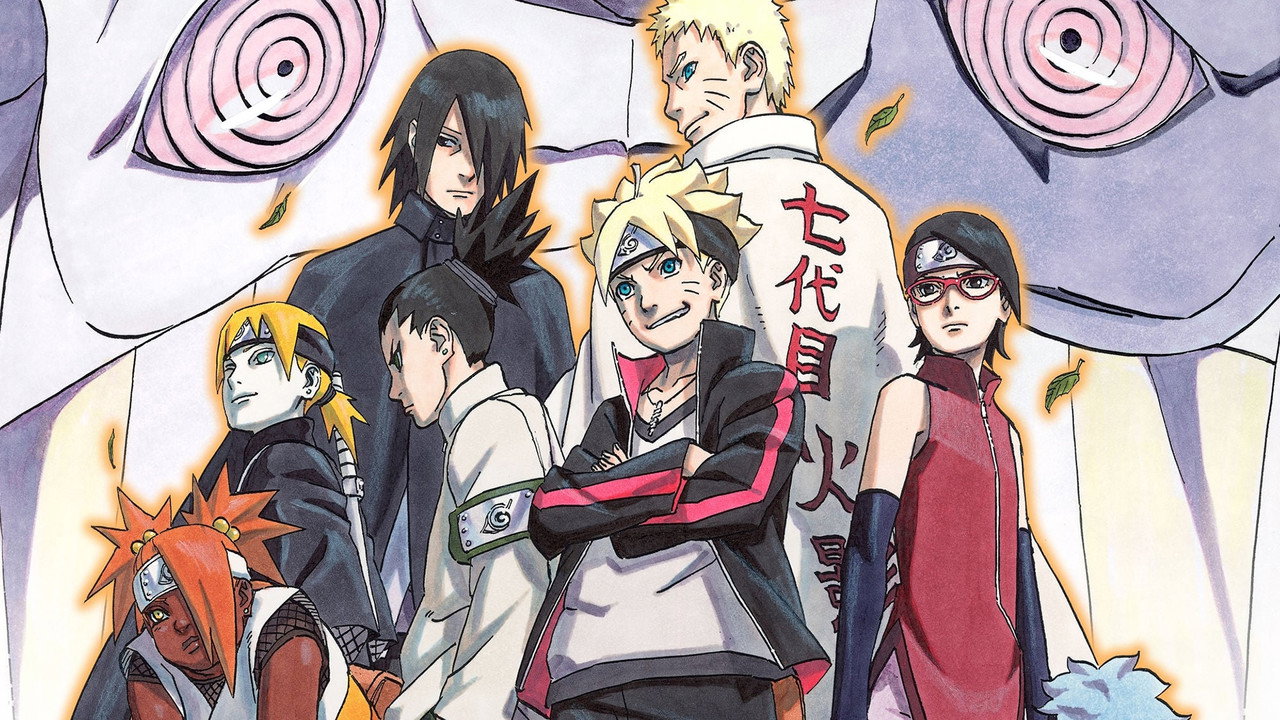
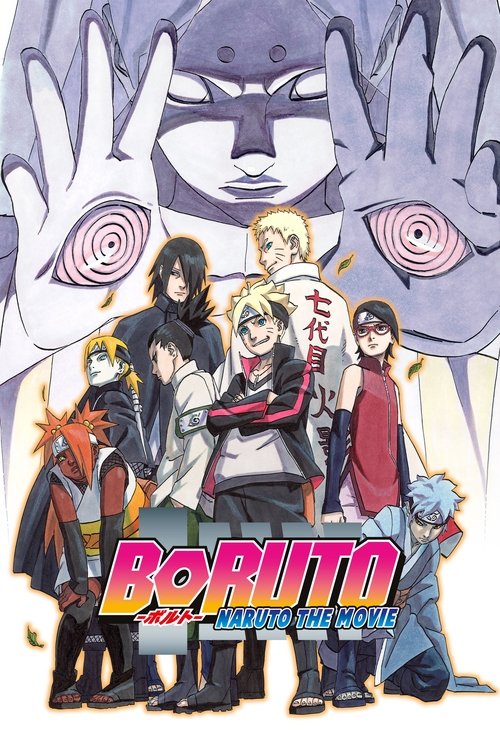
The spirited Boruto Uzumaki, son of Seventh Hokage Naruto, is a skilled ninja who possesses the same brashness and passion his father once had. However, the constant absence of his father, who is busy with his Hokage duties, puts a damper on Boruto's fire. He ends up meeting his father's friend Sasuke, and requests to become... his apprentice!? The curtain on the story of the new generation rises!
I’ve seen this story before. A hotheaded young ninja, brimming with talent but chafing under the shadow of a legendary father, sets out to prove himself on his own terms. It’s the same arc that made Naruto a cultural touchstone—raw, propulsive, and achingly familiar.
So when Boruto: Naruto the Movie opens with its titular hero scrawling “I hate the Hokage” on a monument to his father, I brace myself for a retread. But what unfolds isn’t just a copy of the past. It’s a negotiation with it.
The film’s greatest trick is how it weaponizes nostalgia. Boruto Uzumaki isn’t just Naruto’s son; he’s a living rebuttal to his father’s legacy. Where Naruto was an underdog who clawed his way to respect, Boruto is a prodigy who’s never had to earn anything.
His frustration isn’t about being overlooked—it’s about being seen too much, always through the lens of his father’s achievements. The film understands this tension intimately, even if it doesn’t always resolve it gracefully. There’s a moment early on where Boruto, mid-tantrum, yells at his mother that he wishes Naruto were a “normal dad.” It’s a line that lands with the weight of a thousand skipped bedtime stories, and it’s one of the few times the film dares to sit in the discomfort of generational inheritance.

The animation, as you’d expect from Studio Pierrot, is a marvel of controlled chaos. Fight scenes erupt with the kind of kinetic energy that makes you lean forward in your seat, all whirling kunai and crackling chakra. But the film’s most striking visual moments aren’t the battles—they’re the quiet ones.
"A nostalgic and action-packed continuation of the Naruto saga, though some find it more fan-service than a fresh story."
Viewers appreciate the return of beloved characters and the high-energy action sequences, which deliver the excitement expected from the franchise. However, some feel the plot leans too heavily on nostalgia and lacks the depth or originality to stand entirely on its own, making it feel more like an extended episode than a standalone film.
Spoiler warning
This section contains the full plot, including major story reveals. Overview above stays spoiler-free.
Boruto: Naruto the Movie (2015) wasn’t just another anime sequel—it was a passing of the torch. As the eleventh theatrical film in the Naruto franchise, it marked a pivotal moment for fans and creators alike, bridging the gap between the original series and its next generation. While the movie’s plot and characters stole the spotlight, the behind-the-scenes details reveal a production steeped in legacy, creative collaboration, and a few surprises.
The film served as a direct sequel to the Naruto manga and anime, introducing Boruto Uzumaki, the son of the series’ iconic protagonist, Naruto Uzumaki. Directed by Hiroyuki Yamashita and produced by Studio Pierrot, the movie was a natural progression for the franchise, which had already spawned ten previous films  . Unlike its predecessors, Boruto wasn’t just a standalone adventure—it was a narrative bridge, setting the stage for the Boruto: Naruto Next Generations anime series that would follow.
The decision to focus on Boruto’s story wasn’t just a creative choice; it was a strategic one. By 2015, Naruto had concluded its original run, and the franchise needed a fresh angle to retain its massive fanbase. The movie’s success proved that the Naruto universe still had plenty of life left, even if the spotlight had shifted to a new generation.
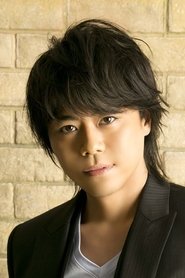
The film’s cast was a mix of returning legends and rising stars. Junko Takeuchi, the original voice of Naruto Uzumaki, reprised her role, while Yuko Sanpei took on the challenge of voicing Boruto, Naruto’s rebellious son. The dynamic between the two characters mirrored the real-life relationship between the actors—Takeuchi, a veteran of the franchise, and Sanpei, a newer talent stepping into a high-pressure role [TMDB].
Other key cast members included Cocoro Kikuchi as Sarada Uchiha, Noriaki Sugiyama as Sasuke Uchiha, and Chie Nakamura as Sakura Haruno. The inclusion of these characters wasn’t just fan service; it was a deliberate effort to reinforce the generational shift. The movie’s trailer, released ahead of its premiere, teased these connections, building anticipation for the emotional payoff of seeing the original Team 7’s children take center stage [7].
Music played a crucial role in Boruto: Naruto the Movie, blending nostalgia with innovation. The film’s original soundtrack, composed by Yasuharu Takanashi, received a solid reception, earning a 7/10 rating from listeners . Takanashi, who had worked on the Naruto anime series, brought a familiar yet evolved sound to the movie, ensuring it resonated with longtime fans while appealing to newer audiences.
The soundtrack’s success wasn’t just about the music itself—it was about the emotions it evoked. Tracks like "Diver" and "Gamakichi’s Theme" underscored the film’s themes of growth, legacy, and the struggles of adolescence, mirroring Boruto’s journey. The score’s ability to balance action and introspection was a key factor in the movie’s emotional impact.
The movie’s influence extended beyond the screen. A light novel adaptation, written by Ukyō Kodachi with input from Naruto creator Masashi Kishimoto, was released alongside the film . The novel provided additional depth to the story, offering fans a chance to explore the characters’ motivations and backstories in greater detail.
Kodachi’s involvement was particularly noteworthy. As the future writer of the Boruto: Naruto Next Generations manga, his work on the novel hinted at the direction the franchise would take in the years to come. The novel’s existence also underscored the franchise’s multimedia approach, ensuring that Boruto’s story reached fans in multiple formats.
The movie’s reception was largely positive, though not without its critics. While some fans praised its emotional depth and action sequences, others felt it struggled to fully escape the shadow of its predecessor. Reviews and video essays highlighted the film’s strengths—its animation, character dynamics, and soundtrack—while acknowledging that it wasn’t a perfect successor to Naruto’s legacy [4][5][9].
One thing was clear: Boruto: Naruto the Movie wasn’t just a cash grab. It was a carefully crafted continuation of a beloved franchise, designed to honor its past while paving the way for its future. Whether it fully succeeded in that mission depends on who you ask, but its impact on the Naruto universe is undeniable.
Despite the available details, some aspects of the movie’s production remain shrouded in mystery. For instance, the exact creative tensions or behind-the-scenes challenges—if any—were never publicly documented in the retrieved evidence. Rumors of last-minute script changes or animation hurdles occasionally surface in fan discussions, but without concrete sources, these remain unconfirmed.
Similarly, while the film’s box office performance was likely strong given the franchise’s popularity, specific numbers or financial details weren’t included in the available snippets. For now, the focus remains on the movie’s creative achievements rather than its commercial success.
Entertainment rumors and trivia aggregated from public reporting. Treat speculation as unverified unless a cited source confirms it.
Movies
Related titles ranked by rating and popularity.