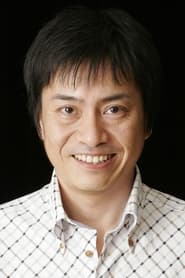
Kazuya Nakai
Roronoa Zoro (voice)
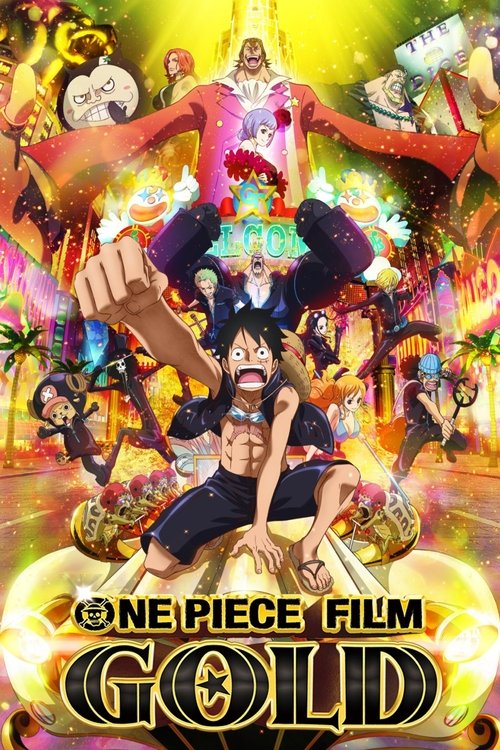
The glittering Gran Tesoro, a city of entertainment beyond the laws of the government, is a sanctuary for the world’s most infamous pirates, Marines, and filthy rich millionaires. Drawn by dreams of hitting the jackpot, Captain Luffy and his crew sail straight for the gold. But behind the gilded curtains lies a powerful king whose deep pockets and deeper ambitions spell disaster for the Straw Hats and the New World alike.
I’ll admit it: I went into One Piece Film: GOLD expecting another overstuffed, neon-drenched spectacle—something shiny but hollow, like a casino chip you pocket only to realize it’s plastic. And for the first twenty minutes, that’s exactly what it felt like. The camera sweeps across Gran Tesoro, a city built on gold, where the streets are paved with it, the buildings are gilded in it, and the people?
Well, they’re either drowning in it or being crushed beneath its weight. It’s One Piece at its most unapologetically extra, a franchise that has spent two decades proving it can out-spectacle itself. But then something unexpected happened.
The film stopped showing off and started telling a story about what all that gold actually does to people.
That’s the trick of GOLD, and why it’s more interesting than it has any right to be. It’s not just a movie about pirates stealing treasure; it’s a movie about the cost of wanting it in the first place.
The film’s director, Hiroaki Miyamoto, has spent most of his career working on the One Piece TV series, and you can feel that episodic DNA in GOLD’s structure. The movie moves like a series of set pieces strung together by a loose but propulsive plot—a heist, a betrayal, a last-minute escape—each one bigger and louder than the last. But where the TV show often luxuriates in its own digressions, GOLD is surprisingly disciplined.
The runtime is tight (for One Piece, anyway), and the pacing clips along at a brisk, almost breathless pace. That’s not to say it’s subtle. This is a film where the villain, Gild Tesoro, is introduced mid-song, crooning a jazz number while his underlings tap-dance in gold-plated top hats.
Subtlety is not the point. The point is excess—visual, narrative, emotional—and whether the film can earn it.
It mostly does.
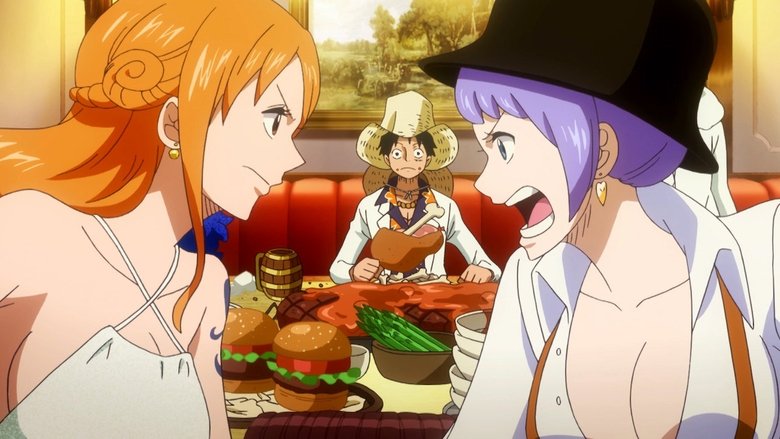
The heart of GOLD isn’t the gold itself, but the people who orbit it. There’s Luffy, of course, the franchise’s rubber-limbed protagonist, whose defining trait is his inability to be corrupted by anything—gold, power, even logic. (In one scene, he tries to eat a literal mountain of treasure, because why not?) But the film’s most compelling character is Carina, a con artist who’s spent her life playing the long game, only to realize too late that the game was rigged from the start.
"A flashy and entertaining addition to the One Piece film series, though not the most memorable."
Viewers appreciate the vibrant animation and high-energy action sequences, which stay true to the spirit of the One Piece franchise. The film’s setting in Gran Tesoro, a city of gold, is praised for its visual spectacle, and the soundtrack adds to the excitement. However, some find the plot thin and predictable, with character arcs feeling underdeveloped compared to the main series. latestnetflix.com's read is that Fans of the franchise still enjoy it as a fun, if not groundbreaking, adventure.
Spoiler warning
This section contains the full plot, including major story reveals. Overview above stays spoiler-free.
One Piece Film: GOLD (2016) arrived like a high-stakes gamble—literally. Directed by Hiroaki Miyamoto and produced by Toei Animation, the 13th feature in the One Piece franchise promised a neon-soaked heist set in the world’s most extravagant city, Gran Tesoro. latestnetflix.com's view is that but behind the dazzling animation and A-list voice cast, the film’s production was a whirlwind of ambition, tight deadlines, and a few behind-the-scenes surprises.
The film’s development was anything but smooth. According to  , GOLD was fast-tracked to capitalize on the franchise’s 20th anniversary, leaving the team with a compressed production schedule. Director Miyamoto, known for his work on One Piece TV episodes, was tasked with delivering a movie that felt like a blockbuster—not just another filler arc. The pressure was on: Toei Animation had to balance the film’s release with the ongoing TV series, which meant limited time for script refinements and animation polish.
Rumors swirled about last-minute script tweaks, though details remain scarce. What’s clear is that the film’s lavish setting—Gran Tesoro, a city built on gold and ruled by the flamboyant Gild Tesoro—required a level of detail that pushed the animators to their limits. The result? A visual spectacle that leaned heavily into the franchise’s signature over-the-top style, but with a tighter narrative than some of its predecessors .
The film’s cast was a reunion of One Piece veterans, including Mayumi Tanaka (Monkey D. Luffy), Kazuya Nakai (Roronoa Zoro), and Akemi Okamura (Nami). But the real standout was Kazuhiro Yamaji, who voiced the film’s antagonist, Gild Tesoro. Yamaji, a veteran actor with credits in Attack on Titan and Death Note, brought a theatrical flair to the role, blending menace with campy charm .
What’s less discussed is how the voice cast’s chemistry translated into the final product. Behind-the-scenes footage and interviews are rare, but reviews suggest the cast’s familiarity with their roles helped elevate the film’s energy. One critic noted that the voice acting felt "effortlessly synchronized," a testament to years of collaboration .
Toei pulled out all the stops for GOLD’s promotion. The film’s trailers—three official cuts, including a theatrical version —were designed to dazzle. The first trailer, released in early 2016, teased Gran Tesoro’s opulence and the film’s high-stakes heist premise. The second, labeled "Official Theatrical Trailer," amped up the action, showcasing Luffy’s crew facing off against Tesoro’s army of gold-clad henchmen.
The marketing push wasn’t just about spectacle, though. The film’s release was timed to coincide with One Piece’s 20th anniversary, a move that Toei hoped would draw in both longtime fans and casual viewers. The strategy worked: GOLD became one of the highest-grossing One Piece films at the time, though its critical reception was mixed .
Here’s a detail even some fans missed: One Piece Film: GOLD was accompanied by a 10-minute prequel short titled Episode 0. Directed separately but released alongside the film, the short provided backstory for Tesoro’s rise to power. Reviews for Episode 0 were lukewarm—it holds a 6.3/10 on SensCritique—but it offered a rare glimpse into the film’s expanded lore .
Despite its box office success, GOLD has since been overshadowed by later One Piece films, like Stampede (2019) and Red (2022). Some fans argue it’s the franchise’s most underrated entry, praising its bold visuals and tighter pacing compared to earlier movies . Others critique its plot as convoluted, a common pitfall for One Piece films that try to cram too much into 120 minutes.
One thing’s certain: GOLD was a product of its time—a high-energy, high-risk project that leaned into the franchise’s strengths while pushing its animators to their limits. Whether it’s remembered as a hidden gem or a flashy misfire depends on who you ask.
Entertainment rumors and trivia aggregated from public reporting. Treat speculation as unverified unless a cited source confirms it.