Mayumi Tanaka
Monkey D. Luffy (voice)

When Nami falls ill, the Straw Hats seek medical care for her on Drum Island. There they meet reindeer doctor Tony Tony Chopper and the Wapol Pirates.
I’ve always thought of One Piece as a story about the family you choose, not the one you’re born into. The Straw Hat Pirates are a ragtag crew of misfits who find belonging in each other, and nowhere is that theme more poignant than in the Drum Island Arc, where Tony Tony Chopper—a reindeer with a human soul—joins their journey. Episode of Chopper Plus: Bloom in the Winter, Miracle Cherry Blossom (2008) isn’t just a retelling of that arc; it’s a "what-if" experiment, a parallel universe where the Thousand Sunny sails before the Going Merry ever sinks, and where Franky and Robin stand beside Luffy before they’re even part of the crew.
It’s a strange, bittersweet love letter to fans, one that asks: What if the past could be rewritten? And more importantly, what if it shouldn’t be?
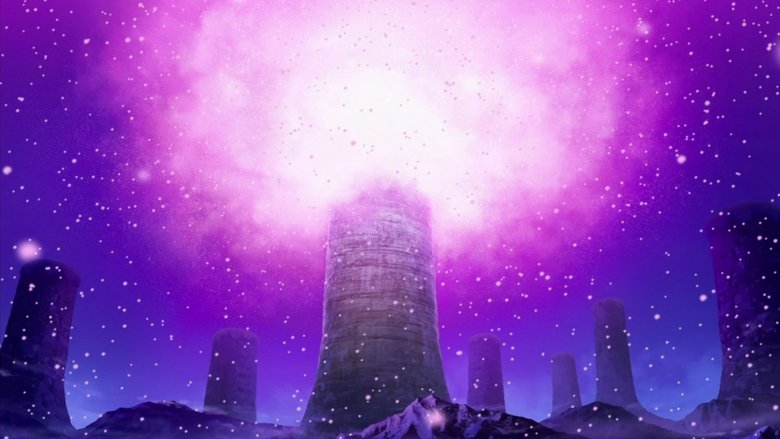
The film opens with the Straw Hats in crisis. Nami is gravely ill, her fever spiking as the crew races toward Drum Island, a winter wasteland where the only hope for a cure lies in the hands of a reindeer who can walk and talk. The urgency is palpable, but there’s something off about this version of the story.
The Thousand Sunny—the ship that wouldn’t exist until much later in the original timeline—cuts through the waves, its sleek design a jarring contrast to the Going Merry’s weathered charm. Franky, the shipwright who built the Sunny, is already part of the crew, his boisterous energy clashing with the quieter dynamics of the original arc. Robin, too, is present, her enigmatic smile and calm demeanor adding a layer of mystery to the proceedings.
It’s disorienting at first, like seeing an old friend wearing a new face. But then, something unexpected happens: the changes start to feel like an invitation rather than a betrayal.
That’s the genius of Episode of Chopper Plus. It doesn’t just retell the Drum Island Arc; it reimagines it, using the presence of later characters to deepen the emotional stakes. Franky’s inclusion, for instance, isn’t just fan service (though it certainly is that, too).
His brash, larger-than-life personality serves as a foil to Chopper’s quiet insecurity, and his interactions with the crew—particularly with Luffy—add a layer of warmth and humor that the original arc lacked. When Franky bellows, "I built this ship to be the best damn vessel on the seas, and I’ll be damned if it doesn’t live up to that!" it’s hard not to feel a pang of nostalgia for the Sunny’s eventual role in the series.
But it’s also a reminder that this isn’t the One Piece we know. It’s a One Piece that might have been, and that sense of possibility is intoxicating.
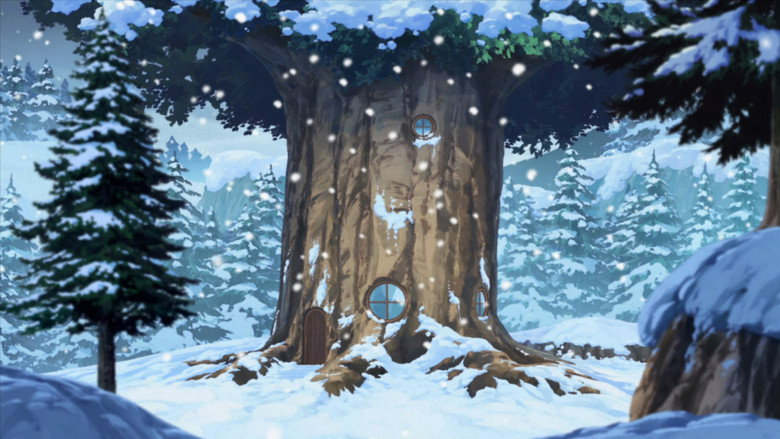
The heart of the film, of course, is Chopper. His backstory—abandoned by his herd, saved by the kind Doctor Hiriluk, and later ostracized for his blue nose—is one of the most emotionally resonant in One Piece, and Episode of Chopper Plus leans into it hard. The film’s title, Bloom in the Winter, isn’t just poetic fluff; it’s a metaphor for Chopper’s journey.
Winter is a time of dormancy, of waiting, of survival. For Chopper, it’s also a time of isolation, of being misunderstood. But within that cold, harsh landscape, something beautiful can still grow—a "miracle cherry blossom," as the title suggests.
The film’s climax, in which Chopper must overcome his self-doubt to save Nami, is as moving as it is inevitable. When he finally injects himself with the Rumble Ball that unlocks his full potential, the animation crackles with energy. His body transforms into a towering, monstrous form, but his eyes remain those of the scared little reindeer we’ve come to love.
It’s a moment that encapsulates the duality of Chopper’s character: the struggle between the self he wants to be and the self he fears he is.
The film’s antagonist, Wapol, is a delightful villain in the grand One Piece tradition—equal parts ridiculous and menacing. A former king who rules Drum Island with an iron fist, Wapol is a glutton in every sense of the word. He devours not just food but power, and his greed has left the island’s people starving and desperate.
His design is grotesque, with a bloated belly and a face that seems to be perpetually melting, as if his own excess is consuming him from the inside out. Wapol’s return to Drum Island midway through the film sets up the final confrontation, but it’s his earlier scenes that linger. There’s a moment where he lounges on his throne, gnawing on a leg of meat while his subjects beg for scraps, and the sheer audacity of his cruelty is chilling.
It’s a stark reminder of what’s at stake for Chopper and the Straw Hats: this isn’t just about saving Nami; it’s about freeing an entire island from tyranny.
What Episode of Chopper Plus does best is capture the emotional core of One Piece without feeling beholden to its own lore. The film’s "what-if" premise could have easily spiraled into self-indulgent fan service, but instead, it uses its alternate timeline to explore the themes of the original arc in new ways. The presence of Franky and Robin, for example, doesn’t just change the dynamics of the crew; it changes the way we see Chopper’s journey.
Franky’s unshakable confidence and Robin’s quiet wisdom serve as counterpoints to Chopper’s self-doubt, and their interactions with him feel organic, even if they’re not part of the original story. There’s a scene where Robin places a hand on Chopper’s shoulder and says, "You’re stronger than you think," and it’s a small moment, but it lands with the weight of a thousand battles.
It’s the kind of reassurance Chopper needs, and it’s a sign of how well the film understands its characters.
The animation, as always with One Piece, is a mixed bag. The film adheres to the series’ signature art style, which is colorful and expressive but often sacrifices fluidity for exaggerated, cartoonish movement. That said, there are moments where the animation truly shines, particularly in the action sequences.
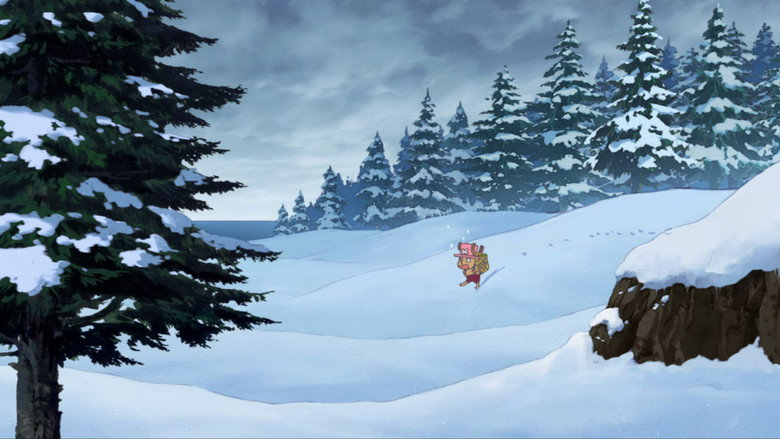
The fight between Luffy and Wapol is a standout, with Luffy’s rubbery limbs stretching and snapping in ways that feel both ridiculous and thrilling. The snow-covered landscapes of Drum Island are beautifully rendered, too, with the white expanse of the island contrasting sharply with the Straw Hats’ vibrant outfits. And then there’s the cherry blossom motif, which appears in the film’s final moments.
The petals swirl around the crew like snow, a visual representation of the "miracle" Chopper has wrought. It’s a simple touch, but it’s one that lingers long after the credits roll.
If there’s a flaw in Episode of Chopper Plus, it’s that the film occasionally struggles to balance its dual identities. On one hand, it’s a faithful retelling of the Drum Island Arc, complete with all the emotional beats that made the original so beloved. On the other, it’s an alternate universe story, one that introduces new characters and dynamics that don’t quite fit into the established lore.
The result is a film that sometimes feels like it’s trying to have its cake and eat it too. There are moments where the changes feel seamless, like when Franky’s shipbuilding skills come into play during the final battle. But there are others where the deviations feel jarring, like when Robin’s presence is acknowledged but never fully integrated into the story.
It’s a minor quibble, though, and one that’s easily forgiven when the film’s heart is so clearly in the right place.
Episode of Chopper Plus isn’t a film that will convert non-fans of One Piece. It’s too steeped in the series’ lore, too reliant on the emotional weight of its characters, to stand entirely on its own. But for those who have followed the Straw Hats from the beginning, it’s a fascinating experiment—a chance to revisit a beloved arc through a new lens.
It’s also a reminder of why One Piece has endured for so long. The series has always been about more than just pirates and treasure; it’s about the bonds that form between people who have nothing in common except a shared dream. Episode of Chopper Plus captures that essence beautifully, even as it plays fast and loose with the rules of its own universe.
In the end, the film’s greatest strength is its willingness to ask "what if?" What if the Going Merry never sank? What if Franky and Robin had been there from the beginning?
What if Chopper’s journey had unfolded just a little differently? These questions don’t have answers, of course, but that’s the point. One Piece has always been a story about the power of imagination, about the idea that the world is vast and full of possibilities. Episode of Chopper Plus embraces that spirit wholeheartedly, offering fans a chance to see their favorite characters in a new light.
It’s not a perfect film, but it’s a deeply human one—and in the end, that’s what matters most.
"A heartwarming but uneven retelling of Chopper’s backstory with charming animation and emotional moments, though lacking the depth of the original series."
The film focuses on Tony Tony Chopper’s emotional journey, and the winter cherry blossom setting gives the story a fairy-tale quality. But the plot is predictable and the pacing uneven, and it doesn’t fully capture the magic of the *One Piece* anime’s storytelling. The animation and voice acting are consistently praised, but the standalone format leaves little room for character development beyond Chopper.
Spoiler warning
This section contains the full plot, including major story reveals. Overview above stays spoiler-free.
One Piece: Episode of Chopper Plus: Bloom in the Winter, Miracle Cherry Blossom (2008) is a rare standalone adventure in the One Piece filmography, retelling the Straw Hats’ first meeting with Tony Tony Chopper—but with a twist. Directed by Junji Shimizu, the movie expands the beloved Drum Island arc into a feature-length story, blending nostalgia with fresh animation and a wintery aesthetic. latestnetflix.com's take is that Yet behind its snowy landscapes and emotional beats, the film’s production was anything but smooth.
Unlike most One Piece movies, Episode of Chopper Plus isn’t an original story. It revisits the Drum Island arc from the anime’s early seasons, where the crew meets Chopper, a reindeer-turned-doctor with a tragic past. The film’s hook? A darker, more dramatic retelling, with higher stakes for Chopper’s backstory and the crew’s dynamics. The winter setting—rare in One Piece—was a deliberate choice to amplify the emotional weight, with cherry blossoms (a symbol of fleeting beauty in Japanese culture) serving as a visual motif.
The cast reprised their roles, including Mayumi Tanaka as Luffy, Kazuya Nakai as Zoro, and Ikue Otani as Chopper. Notably, the film’s title in Japanese—Episōdo obu Choppā Purasu: Fuyu ni Saku, Kiseki no Sakura—translates to "Bloom in Winter, Miracle Cherry Blossom," hinting at the film’s central theme: miracles born from hardship. But while the story was familiar, the execution wasn’t without challenges.
The film’s runtime—112 minutes—was unusually long for a One Piece movie at the time, suggesting a push for deeper character development. However, its reception was lukewarm. On SensCritique, it holds a 6.4/10 rating based on 333 votes, a modest score compared to later One Piece films like Stampede (2019). Critics and fans praised the animation and emotional moments but found the pacing uneven, with some arguing the retelling didn’t justify its length.
Behind the scenes, the film’s production may have been rushed. Shimizu, who also directed One Piece: The Movie (2000) and Clockwork Island Adventure (2001), was a veteran of the franchise, but Episode of Chopper Plus arrived during a period when One Piece movies were still finding their footing. Unlike later films, which leaned into original stories, this one’s reliance on a familiar arc may have limited its appeal to casual viewers.
Despite its flaws, Episode of Chopper Plus remains a curiosity for One Piece fans. It’s one of the few films to focus solely on Chopper, giving his backstory more screen time than the original anime. The winter setting and cherry blossom imagery also set it apart visually, offering a stark contrast to the series’ usual tropical locales.
Yet the film’s legacy is overshadowed by later One Piece movies, which embraced original stories and higher budgets. Today, it’s rarely mentioned in the same breath as Strong World (2009) or Red (2022), but for fans of Chopper’s arc, it’s a nostalgic detour—one that almost didn’t bloom.
Entertainment rumors and trivia aggregated from public reporting. Treat speculation as unverified unless a cited source confirms it.
More titles in the same genres and with the same cast.