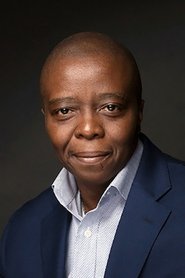
Yance Ford
Himself
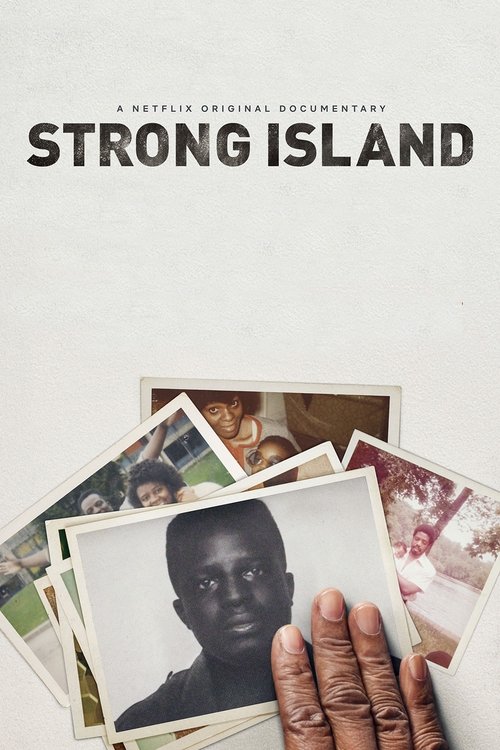
Examining the violent death of the filmmaker’s brother and the judicial system that allowed his killer to go free, this documentary interrogates murderous fear and racialized perception, and re-imagines the wreckage in catastrophe’s wake, challenging us to change.
I keep thinking about the way Yance Ford says his brother’s name. Not the first time—when it’s almost a whisper, like he’s testing the weight of it on his tongue—but the second, when the camera holds on his face and the syllables come out slow, deliberate, like he’s carving them into the air. William.
Ford. Jr. That name is the only thing left of a life that was supposed to mean more than a footnote in a case file. Strong Island isn’t just a documentary about a murder; it’s a film about what happens when a name is all you have left, and even that feels like it’s slipping away.
Ford’s film is a ghost story, but the ghost isn’t William—it’s the version of him that might have been. The William who didn’t get into an argument with a white mechanic over a car repair. The William who didn’t become a statistic, another Black man killed in Long Island in 1992, his death ruled a "justifiable homicide" by a grand jury that never even heard from the shooter.
The film doesn’t show us William’s body, but it doesn’t need to. The absence is the point. What’s left is the wreckage: a family sitting in a living room, twenty-five years later, still trying to piece together how this happened.
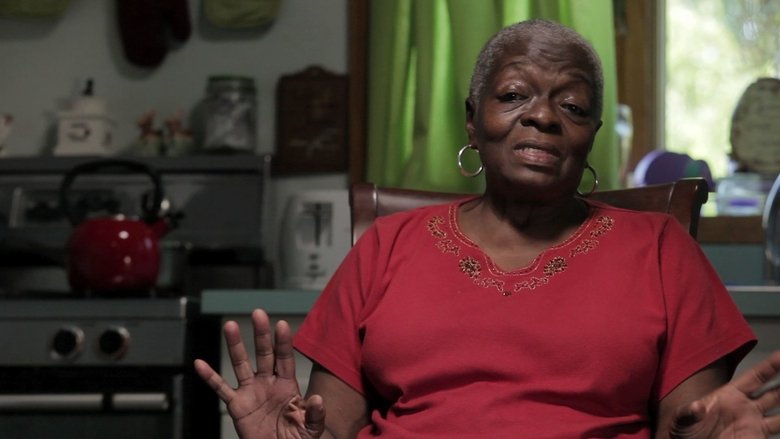
Ford doesn’t just direct Strong Island—he’s in it, often staring straight into the lens, as if daring the audience to look away. This isn’t the detached, observational style of traditional true-crime documentaries. It’s personal, almost confrontational. At one point, Ford’s mother, Barbara Dunmore Ford, recounts the moment she learned her son was dead. The camera doesn’t cut away. It lingers on her face, on the way her hands tremble as she lights a cigarette, on the way her voice cracks when she says, "I don’t know how to live without him." It’s uncomfortable to watch, and it should be. Ford isn’t here to make us feel better about what happened. He’s here to make us sit with it.
"A deeply personal and harrowing exploration of grief, racial injustice, and systemic failure that resonates long after viewing."
Viewers consistently praise the film for its raw emotional power and unflinching honesty, with many highlighting its ability to convey the lasting impact of loss and the frustration of unresolved justice. latestnetflix.com's take is that the documentary’s intimate approach and Yance Ford’s direct address to the camera are frequently cited as standout elements, though some note the film’s slow pace and heavy subject matter may not appeal to all.
Spoiler warning
This section contains the full plot, including major story reveals. Overview above stays spoiler-free.
Yance Ford’s Strong Island (2017) isn’t just a documentary—it’s a visceral reckoning with grief, justice, and identity. The film, which premiered at Sundance and later landed on Netflix, dissects the 1992 killing of Ford’s older brother, William Ford Jr., a 24-year-old Black teacher shot by a white mechanic in Long Island. The case was never prosecuted, leaving the Ford family in a limbo of unanswered questions. latestnetflix.com's take is that what makes Strong Island stand out isn’t just its subject matter but the deeply personal lens through which Ford, a trans filmmaker, confronts the tragedy.
At its core, Strong Island is a family portrait. Ford interviews his mother, Barbara Dunmore Ford, and sister, Lauren Ford, as they recount the events leading up to William’s death and the aftermath. The film avoids sensationalism, instead letting the family’s raw emotions—anger, sorrow, and exhaustion—drive the narrative. Harvey Walker, a friend of William’s, and Kevin Myers, a former student, also appear, adding layers to the story of a young man whose life was cut short  .
.
The documentary doesn’t just revisit the crime; it questions the systemic failures that allowed it to go unpunished. Ford’s camera lingers on his mother’s face as she describes the grand jury’s decision not to indict the shooter, a moment that underscores the film’s central theme: the devaluation of Black lives in the eyes of the law .
Ford’s decision to center himself in the story was intentional. As both director and subject, he blurs the line between filmmaker and participant, forcing audiences to confront his grief—and his identity—as integral to the narrative. In interviews, Ford has described Strong Island as a way to "reclaim" his brother’s story, one that had been distorted by media and legal systems .
The film’s structure is nonlinear, jumping between past and present, home videos and stark interviews. This approach mirrors the fragmented nature of memory, especially when trauma is involved. Ford’s use of silence and stillness is striking—moments of quiet often speak louder than words, a technique that amplifies the film’s emotional weight .
Strong Island earned widespread acclaim, including a Special Jury Prize at Sundance and an Oscar nomination for Best Documentary Feature. Critics praised its unflinching honesty and Ford’s courage in turning the camera on himself and his family. The film’s 6.6/10 rating on SensCritique reflects its polarizing nature—some viewers found its pacing deliberate, while others were moved by its intimacy .
Beyond awards, the documentary sparked conversations about racial injustice and the limitations of the legal system. Ford’s refusal to offer easy answers or neat resolutions makes Strong Island a challenging but essential watch. It’s not just about one family’s loss; it’s a mirror held up to America’s ongoing struggle with race, violence, and accountability .
Ford spent over a decade developing Strong Island, a process that was as much about healing as it was about filmmaking. In Q&A sessions, he’s described the difficulty of revisiting painful memories while maintaining creative control. The film’s production was a family affair—Lauren Ford, his sister, served as a producer, and their mother’s participation was pivotal in shaping the narrative .
The documentary’s release on Netflix in 2017 brought it to a global audience, but Ford has been clear that the film’s purpose was never just about distribution. It was about giving his brother’s story the dignity it deserved—and holding a system accountable that had failed him .
Entertainment rumors and trivia aggregated from public reporting. Treat speculation as unverified unless a cited source confirms it.
Related titles ranked by rating and popularity.