Lin-Manuel Miranda
Vivo (voice)

A music-loving kinkajou named Vivo embarks on the journey of a lifetime to fulfill his destiny and deliver a love song for an old friend.
Official
I’ll admit it: I wasn’t expecting much from Vivo. A Netflix animated musical about a kinkajou? The premise sounded like the kind of algorithm-friendly confection designed to keep kids glued to screens while parents steal a few minutes of peace.
But then Lin-Manuel Miranda’s voice—warm, playful, and just a little weary—started singing, and I realized this wasn’t just another talking-animal caper. It was a story about the weight of unfinished business, the way music can carry love (and regret) across time and distance, and the quiet heroism of showing up for someone, even when it’s too late.
That’s a lot to ask of a film about a raccoon in a fanny pack.
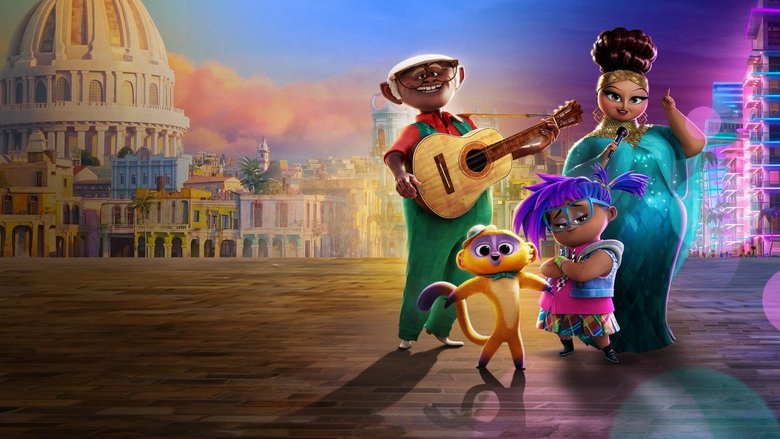
Kirk DeMicco’s direction is deceptively simple. The film moves with the brisk efficiency of a classic road-trip adventure, but it’s the small, human details that linger. Vivo, the kinkajou in question, isn’t just a cute sidekick—he’s a creature of habit, a musician who’s spent years playing the same songs for the same tourists in Havana.
His bond with Andrés, an aging troubadour voiced by Juan de Marcos González, feels lived-in, the kind of friendship built on shared routines and unspoken affection. When Andrés receives a letter from an old love, Marta (Gloria Estefan), inviting him to reunite in Miami, Vivo is tasked with delivering a song that Andrés never had the courage to send. The catch?
Andrés dies before they can leave, leaving Vivo to complete the journey alone.
It’s a premise that could easily veer into maudlin territory, but Vivo sidesteps sentimentality by grounding its emotional beats in physical comedy and musical energy. The film’s Havana sequences are a particular delight, drenched in warm oranges and blues, with a soundtrack that blends Miranda’s signature wit with Cuban rhythms. (The man knows how to write a hook—even the throwaway songs are catchy.) But the real surprise is how the film handles grief.
Andrés’ death isn’t played for shock or melodrama; it’s treated as a quiet inevitability, a moment that forces Vivo to confront his own stagnation. The song he’s carrying isn’t just a love letter—it’s a eulogy, a final chance to say what was left unsaid.
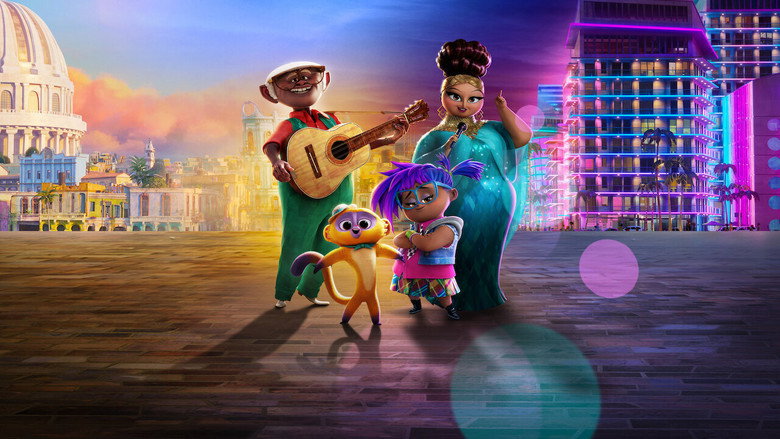
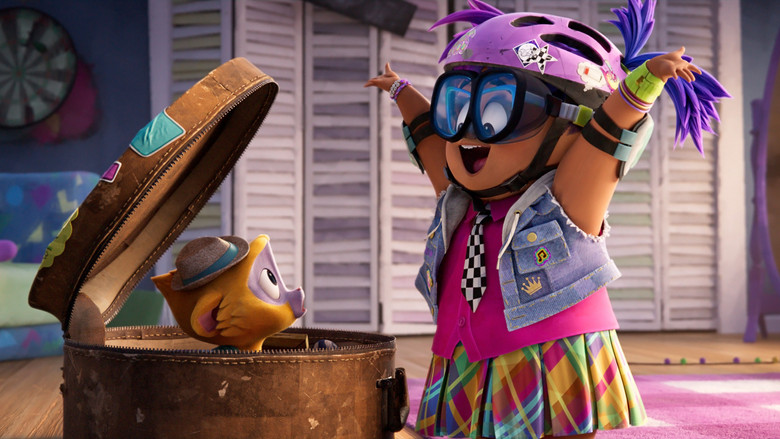
The road to Miami introduces Gabi (Ynairaly Simo), a precocious 10-year-old with a knack for trouble and a ukulele slung over her shoulder. Gabi is the film’s secret weapon—a character who could have been a generic kid sidekick but instead feels like a real person, all sharp edges and unspoken loneliness. Her dynamic with Vivo is the heart of the film, a push-and-pull between skepticism and trust.
When she sings “My Own Drum,” a defiant anthem about carving your own path, it’s not just a musical number; it’s a declaration of independence, a moment where the film’s themes of legacy and self-discovery collide. (And yes, the song is stuck in your head for days. That’s the Miranda effect.)
The animation, while not groundbreaking, is vibrant and expressive, with a loose, sketchy quality that suits the film’s musical energy. The Miami sequences, in particular, pop with neon hues and kinetic movement, a visual contrast to Havana’s sun-bleached nostalgia. But the film’s greatest strength is its willingness to sit with discomfort.
There’s a scene where Vivo and Gabi argue, their voices rising in frustration, and for a moment, the film feels like it might tip into real conflict. It doesn’t—this is still a family movie, after all—but the tension lingers, a reminder that growth isn’t always neat or easy.
If Vivo stumbles, it’s in its third act, where the stakes feel a little too manufactured. A chase sequence involving a villainous (and underutilized) pair of snakes feels like it belongs in a different, more frenetic movie. But even here, the film’s heart is in the right place.
The final musical number, “Inside Your Heart,” is a tender, bittersweet closer, a reminder that love isn’t about grand gestures but the quiet moments in between.
The SensCritique user rating of 5.9/10 suggests that Vivo didn’t quite land for everyone, and I get it. It’s not a flashy, high-concept animated film—no talking cars or superhero raccoons here. But that’s also its strength.
In a landscape where family movies often feel like they’re chasing the next franchise, Vivo is content to be small, to tell a story about the songs we leave behind and the people who carry them forward. It’s not perfect, but it’s honest. And sometimes, that’s enough.
"A charming, heartfelt animated musical with catchy songs and vibrant animation, though its story is predictable."
*Vivo* is praised for its lively music, particularly Lin-Manuel Miranda’s songs, which add energy and emotional depth. The colorful, expressive animation strengthens the storytelling. The plot follows familiar family-friendly tropes that may feel formulaic to older audiences.
Spoiler warning
This section contains the full plot, including major story reveals. Overview above stays spoiler-free.
Netflix’s Vivo (2021) marked a rare foray into animated filmmaking for Lin-Manuel Miranda, who not only voiced the titular kinkajou but also wrote original songs for the movie. Directed by Kirk DeMicco, the film blends music, adventure, and heartfelt storytelling—hallmarks of Miranda’s work. latestnetflix.com's view is that but how did this project come together, and what went into its making?
Vivo follows a music-loving kinkajou (Miranda) who embarks on a journey from Havana to Miami to deliver a love song on behalf of his late owner, Andrés (Juan de Marcos González). The film’s soundtrack, featuring Miranda’s signature blend of Latin rhythms and Broadway-style compositions, was a key selling point. Miranda’s involvement extended beyond voice acting; he co-wrote the songs with Alex Lacamoire, his longtime collaborator from Hamilton and In the Heights.
The movie’s Cuban setting and musical influences were intentional. DeMicco and the team worked closely with cultural consultants, including González, a Cuban musician known for his work with the Buena Vista Social Club. The film’s soundtrack even includes a posthumous appearance by Gloria Estefan, who voiced Marta Sandoval, a character tied to the story’s emotional core.
One of the film’s standout musical moments comes from an unexpected source: Missy Elliott. In an interview, DeMicco revealed that the character Gabi (voiced by Ynairaly Simo) was originally written with a different musical style in mind. However, after hearing Elliott’s track "Get Ur Freak On," the team reworked Gabi’s song, "My Own Drum," to channel her energetic, rebellious spirit. The result was a high-energy number that became a fan favorite, blending Elliott’s hip-hop influence with the film’s Latin soundscape.
Vivo was produced by Sony Pictures Animation and Netflix, with DeMicco at the helm alongside co-director Brandon Jeffords. The film’s animation style was designed to evoke the warmth and vibrancy of Havana, with lush colors and fluid movements that mirrored the music’s rhythm. However, the production wasn’t without hurdles. In a behind-the-scenes interview, DeMicco mentioned the challenge of balancing the film’s musical numbers with its adventure elements, ensuring neither overshadowed the other.
The voice cast also brought unique dynamics to the project. Zoe Saldaña, who voiced Rosa, and Brian Tyree Henry, who played Dancarino, joined Miranda and Simo in bringing the characters to life. Saldaña, a frequent collaborator with Miranda, praised the film’s message of perseverance and love, while Henry’s comedic timing added levity to the story.
Upon release, Vivo received mixed reviews. Critics praised its music and animation but found the plot somewhat predictable. The film holds a 5.9/10 rating on SensCritique, based on over 700 votes, with some viewers calling it a "charming but forgettable" entry in the animated musical genre. Despite this, Miranda’s involvement and the film’s cultural touches—like its Cuban setting and bilingual dialogue—earned it a dedicated fanbase.
For DeMicco, Vivo was another chapter in his career as an animation director, following projects like The Croods and Racing Stripes. His work on the film underscored his ability to blend music and storytelling, a skill he honed over decades in the industry.
Vivo may not have been a blockbuster, but it offered a unique blend of music, adventure, and heart—thanks in large part to Miranda’s creative input and DeMicco’s vision. From its Cuban-inspired soundtrack to its unexpected Missy Elliott connection, the film stands out as a passion project for its creators. Whether it’s Gabi’s defiant anthem or Vivo’s emotional journey, the movie leaves a lasting impression, even if it didn’t break the mold.
Entertainment rumors and trivia aggregated from public reporting. Treat speculation as unverified unless a cited source confirms it.
More titles in the same genres and with the same cast.