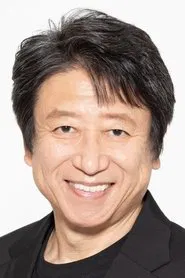
Junko Takeuchi
Naruto Uzumaki (voice)

Ninjas with bloodline limits begin disappearing in all the countries and blame points toward the fire nation. By Tsunade's order, Kakashi is sacrificed to prevent an all out war. After inheriting charms left by Kakashi, Naruto fights through friends and foes to prevent his death while changing the minds of those who've inherited the will of fire.
Official
I’ve always thought of Naruto Shippuden as a story about inheritance—not just of bloodlines or techniques, but of will. The idea that something inside you can outlast your body, your failures, even your death. The Will of Fire, the 2009 film, takes that idea and stretches it across a battlefield, turning it into both a weapon and a prayer. It’s a movie that wants to be more than just another ninja showdown, and in moments, it almost gets there.
The premise is classic Shippuden: ninjas with rare abilities start vanishing, and suspicion falls on the Hidden Leaf Village. Tsunade, the Fifth Hokage, orders Kakashi Hatake to sacrifice himself to prevent a war. Naruto, of course, refuses to let that happen.
What follows is a race against time, a series of betrayals, and a final battle that feels like it’s been building for years—because, in a way, it has. The film doesn’t just borrow from the anime’s lore; it leans into it, treating the Will of Fire as a tangible force, something you can pass down like a heirloom or steal like a secret.
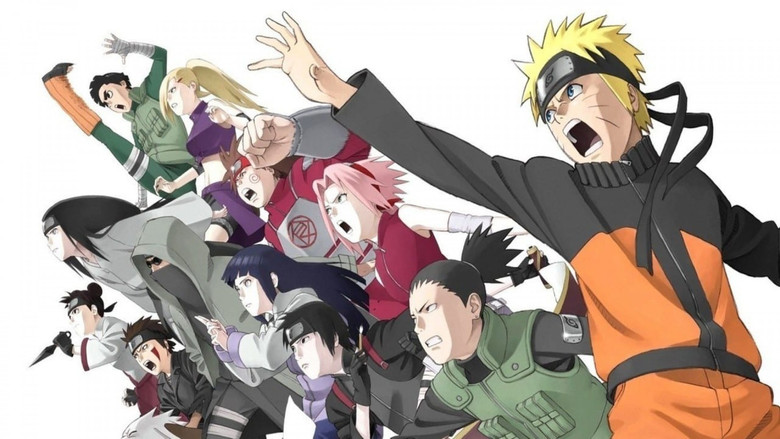
The animation here is a step up from the TV series, with fight scenes that feel weightier, more deliberate. The camera lingers on the impact of a punch, the way dust kicks up from a landing, the way Naruto’s Rasengan glows like a dying star. There’s a moment early on where Naruto and Kakashi spar in a field of tall grass, the wind whipping around them.
It’s not just filler; it’s a visual metaphor for their relationship—two people moving in sync, but always with the understanding that one day, one of them will have to let go. The fight choreography isn’t just about flashy moves; it’s about the space between the characters, the way their bodies communicate what their words can’t.
That’s the film’s strength: it understands that Naruto has always been about the things left unsaid. The Will of Fire isn’t just a plot device; it’s the quiet understanding between Naruto and Kakashi, the unspoken promise between friends. The movie’s best scene isn’t a battle—it’s a conversation.
Kakashi, wounded and exhausted, tells Naruto that he’s proud of him. No grand speech, no dramatic music swell. Just a man admitting, in his own roundabout way, that he loves this kid like a son.
It’s the kind of moment that makes you forget you’re watching a shonen film, the kind that lingers long after the credits roll.
But The Will of Fire isn’t perfect. It stumbles when it tries to juggle too many characters. The villains, a group of rogue ninjas with stolen kekkei genkai, are underdeveloped, their motives feeling more like plot conveniences than real threats.
And while the film does a good job of making Naruto’s determination feel earned, it occasionally slips into the same trap as the anime: relying on sheer stubbornness to carry the emotional weight. There’s a difference between persistence and depth, and this movie sometimes confuses the two.
Still, there’s something undeniably moving about watching Naruto refuse to accept Kakashi’s fate. It’s not just about saving a friend; it’s about proving that the Will of Fire is something real, something you can hold onto when the world tries to take everything else away. The final battle, set against a backdrop of crumbling ruins and swirling embers, is visually stunning, but it’s the quieter moments that stick with you.
Naruto, alone on a cliff, screaming into the wind. Sakura, tears in her eyes, refusing to give up. Even Sasuke, who shows up late to the fight, gets a moment where he acknowledges Naruto’s growth—not with words, but with a look.
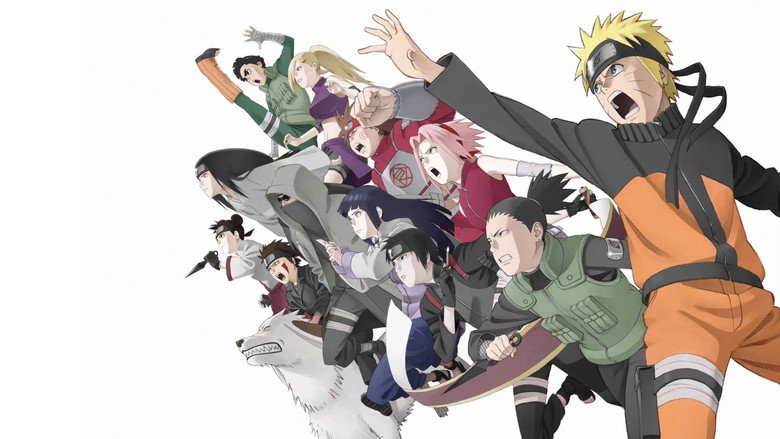
The film’s biggest flaw might be that it doesn’t trust its own themes enough. It keeps pulling back from the emotional core, burying it under layers of exposition and fight scenes. But when it does let the characters breathe, it reminds you why Naruto resonated with so many people in the first place.
It’s not just about becoming the strongest ninja; it’s about what you’re willing to carry, and what you’re willing to let go of.
I keep coming back to that field, the one where Naruto and Kakashi spar. The way the grass bends in the wind, the way the light hits their faces. It’s a moment of peace before the storm, a reminder that even in a world of war and sacrifice, there are still things worth fighting for. The Will of Fire doesn’t always live up to that promise, but when it does, it burns bright enough to light the way home.
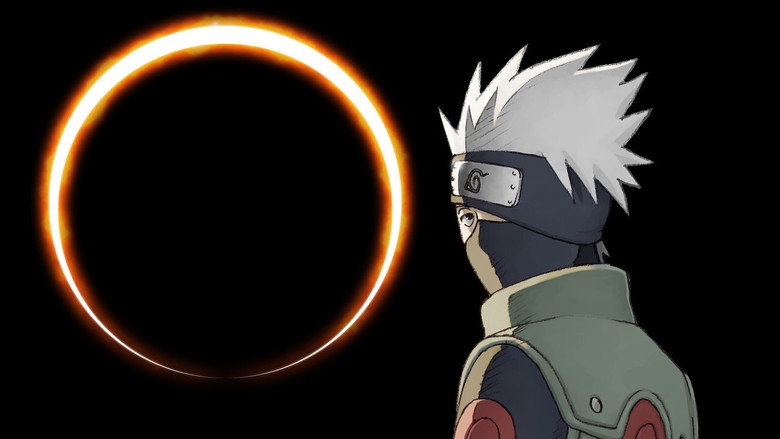
"A solid Naruto Shippuden film with strong action and emotional moments that doesn't break new ground."
Familiar characters return, and the high-energy action delivers the series' signature style. The emotional core, built on Naruto's bonds with his allies, lands well. The plot is recycled from earlier arcs, though, and some side characters get little development, so the story is predictable.
Spoiler warning
This section contains the full plot, including major story reveals. Overview above stays spoiler-free.
Naruto Shippuden the Movie: The Will of Fire (2009) marked the third installment in the Naruto film series, bringing back the beloved voice cast and director Masahiko Murata for another high-stakes adventure. While the movie itself delivered the signature blend of action and emotional stakes, the behind-the-scenes details remain sparse—but what little evidence exists hints at a production that stayed true to the franchise’s core.
The film’s cast was a reunion of the series’ most iconic voice actors, led by Junko Takeuchi as Naruto Uzumaki and Chie Nakamura as Sakura Haruno. Their chemistry, honed over years of recording together, was a key selling point for the movie. Other returning stars included Kazuhiko Inoue (Kakashi Hatake), Romi Park (Temari), and Showtaro Morikubo (Shikamaru Nara), ensuring fans heard the same voices they’d grown attached to in the anime.
Notably, the film’s promotional materials and trailers leaned heavily on the cast’s star power. Warner Bros. Entertainment released a launch trailer that spotlighted the returning voices, framing the movie as a must-watch for fans of the series. While no behind-the-scenes footage or interviews from the recording sessions have surfaced, the consistent casting suggests a deliberate effort to maintain continuity with the anime’s tone.
Masahiko Murata, who also directed Naruto Shippuden: The Lost Tower (2010), helmed The Will of Fire with a focus on balancing action and character-driven moments. Though details about his directorial process are scarce, his involvement in multiple Naruto films indicates a deep familiarity with the franchise’s style. The movie’s pacing and animation, produced by Studio Pierrot, aligned with the anime’s aesthetic, suggesting a seamless collaboration between the director and the studio.
One unverified rumor circulating in fan communities is that Murata pushed for more dynamic fight choreography in this installment, though no official sources confirm this. If true, it would explain the film’s emphasis on large-scale battles, a hallmark of the Shippuden era.
The movie’s marketing campaign was modest compared to later Naruto films, relying primarily on trailers and cast announcements. Warner Bros. Entertainment’s launch trailer, released on YouTube, teased the film’s central conflict and showcased the returning cast, but it didn’t look at behind-the-scenes details. Fan reactions at the time were mixed, with some praising the animation and action, while others felt the plot was secondary to spectacle.
One notable aspect of the film’s release was its timing—it arrived during the height of Naruto Shippuden’s popularity, capitalizing on the anime’s momentum. However, unlike later films, The Will of Fire didn’t receive a significant push in Western markets, limiting its exposure outside Japan.
Despite its place in the Naruto canon, The Will of Fire remains one of the less-documented films in the series. No interviews with the cast or crew about the production process have surfaced, and details about script development, recording sessions, or directorial challenges are nonexistent in the available evidence. The lack of behind-the-scenes content suggests the film was treated as a standard franchise entry rather than a standout event.
For fans hoping for deeper insights, the trailers and cast listings are the only concrete sources of information. Until more archival material emerges, The Will of Fire’s production will remain a mystery—overshadowed by the larger Naruto saga.
Entertainment rumors and trivia aggregated from public reporting. Treat speculation as unverified unless a cited source confirms it.
More titles in the same genres and with the same cast.