Michaela Coel
Simone
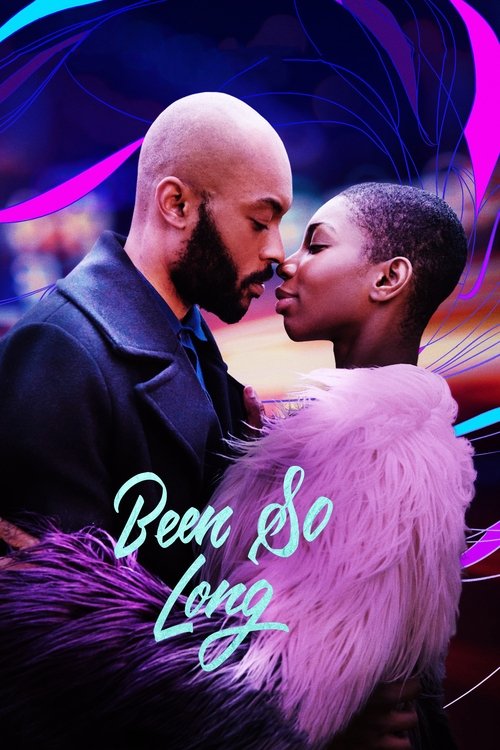
A single mother in London's Camden Town hears music when she meets a handsome stranger with a past. But she's not sure she's ready to open her heart.
I keep thinking about the first time Simone and Raymond lock eyes across that Camden Market crowd. Not because it’s some grand cinematic moment—it’s not—but because of how small it feels. A single mother, her daughter in tow, pauses mid-stride as a man in a leather jacket turns, as if the bassline of the street itself has suddenly shifted key.
There’s no swelling orchestra, no slow-motion hair flip. Just two people, a beat of hesitation, and then the camera cuts away. It’s the kind of quiet, human-scale detail that musicals often bulldoze in their rush to spectacle.
But Been So Long, for all its songs and neon-lit London backdrops, is a musical that doesn’t seem entirely sure it wants to be one.
That tension—between the genre’s demands and the story’s intimacy—is what makes Tinge Krishnan’s film so fascinating. It’s a romance, a drama, a musical, and a portrait of a neighborhood all at once, and it stumbles most when it tries to be all of them at full volume. But when it remembers to whisper, it’s something rare: a love story that feels like it’s happening to real people, not characters in a jukebox.
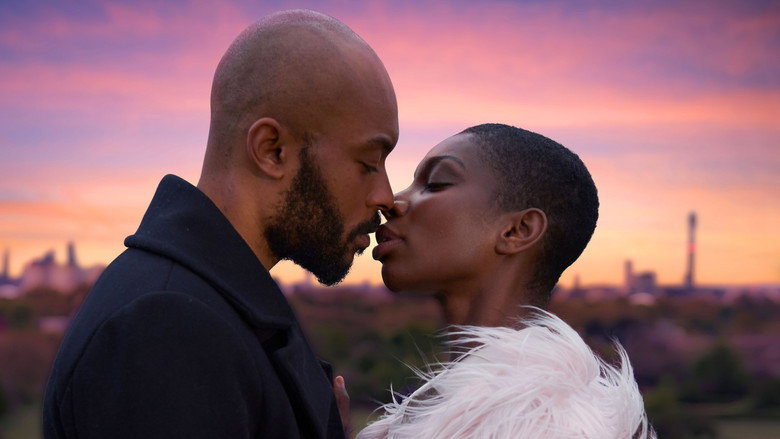
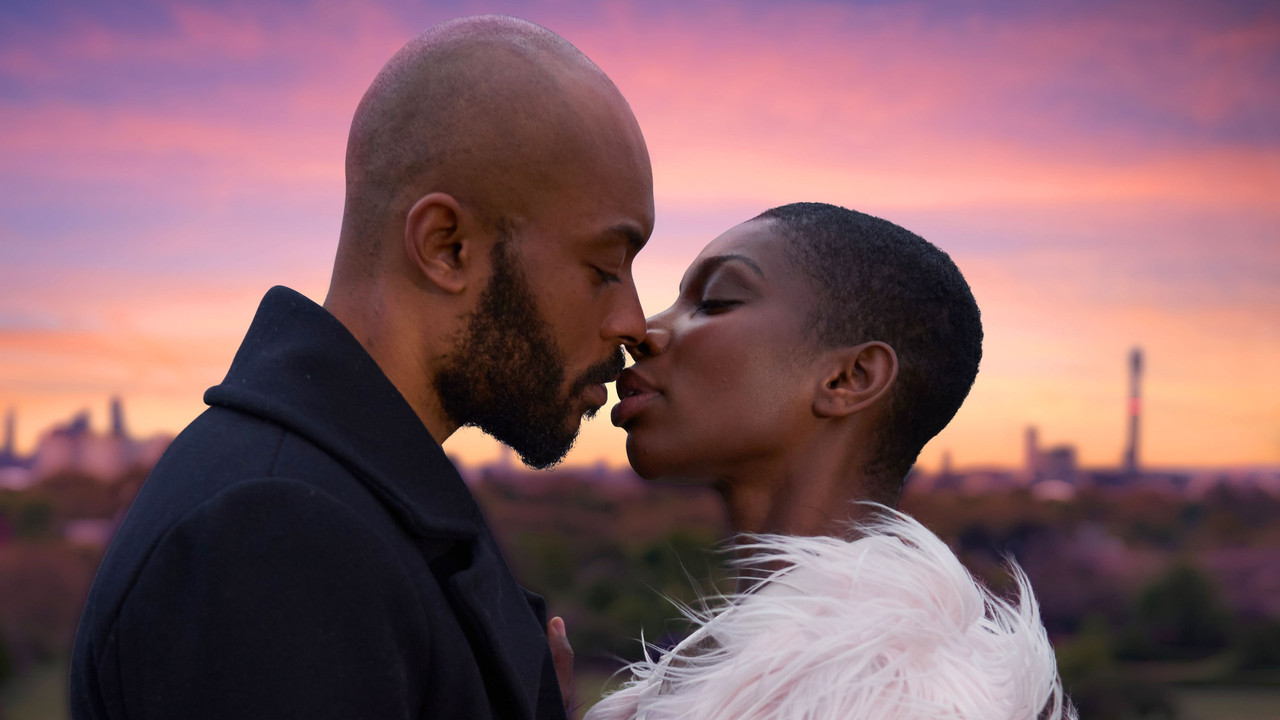
The film follows Simone (Michaela Coel), a single mother running a vintage shop in Camden Town, and Raymond (Arinzé Kene), a charming stranger with a past that clings to him like the scent of cigarette smoke. Their meet-cute is less Singin’ in the Rain and more Before Sunset—a series of hesitant conversations, fleeting touches, and the kind of chemistry that feels earned rather than manufactured.
The problem is that Been So Long keeps trying to force that chemistry into the conventions of a musical. The songs, when they arrive, are catchy enough—R&B-infused, with a contemporary edge—but they often feel like interruptions rather than extensions of the characters’ emotions. Simone and Raymond don’t need to burst into song to express themselves; their silences do that just fine.
"A vibrant but uneven musical romance with standout performances and a lively Camden Town setting."
Viewers appreciate the film’s energetic musical numbers and the chemistry between Michaela Coel and Arinzé Kene, which brings authenticity to the modern-day romance. latestnetflix.com's view is that however, the story’s meandering script and underdeveloped subplots leave some feeling the film lacks depth, despite its stylish presentation and strong lead performances.
Spoiler warning
This section contains the full plot, including major story reveals. Overview above stays spoiler-free.
Been So Long (2018) arrived as a vibrant, modern musical set against the backdrop of London’s Camden Town, blending soulful music with a story of love, loss, and second chances. Directed by Tinge Krishnan and starring Michaela Coel in her first major film role, the movie was adapted from Ché Walker’s 1998 play of the same name, later reimagined as a stage musical with music and lyrics by Arthur Darvill  . latestnetflix.com's read is that but how did this indie gem come to life—and what made it stand out in a sea of rom-coms?
The film’s roots trace back to Walker’s original play, which debuted over two decades ago. By the time Krishnan took the helm, the project had evolved into a full-fledged musical, with Darvill’s compositions giving it a contemporary edge . Unlike traditional Hollywood musicals, Been So Long leaned into a raw, urban sound—think soul, R&B, and grime—mirroring the eclectic energy of its London setting. The shift from stage to screen wasn’t just about scaling up; it was about capturing the intimacy of live performance while embracing the freedom of film.
Krishnan, in interviews, emphasized the importance of authenticity. The movie was shot on location in Camden, a decision that grounded the story in real neighborhoods rather than studio backlots . For a film centered on Black British life, this choice wasn’t just aesthetic—it was political. Krishnan spoke openly about the need for better representation of people of color in British cinema, particularly in musicals, where diversity has often been sidelined .
Before I May Destroy You made her a household name, Coel was already turning heads as Simone, a single mother navigating love and loneliness in Been So Long. The role was a departure from the comedic work she was known for (Chewing Gum), showcasing her range as both an actor and a singer. In behind-the-scenes interviews, Coel and Krishnan revealed that improvisation played a key role in shaping Simone’s character. The two collaborated closely, with Coel bringing her own experiences to the table—particularly as a Black woman in London—to make the performance feel lived-in .
The chemistry between Coel and co-star Arinzé Kene (who played the charming stranger Raymond) was another highlight. Their on-screen romance felt organic, a rarity in musicals where love stories can sometimes veer into the saccharine. Kene, a seasoned stage actor, brought a similar authenticity to his role, and the duo’s musical numbers—like the title track—became standout moments in the film .
Been So Long premiered at the BFI London Film Festival in 2018, where it was billed as a "special presentation" . The buzz around its premiere was palpable, with critics praising its fresh take on the musical genre and its unapologetic celebration of Black British culture. When Netflix picked it up as an original film, it gained a global audience, though its reception was mixed. While some viewers loved its energy and heart, others found the plot thin or the musical numbers uneven . Rotten Tomatoes lists it with a modest score, and SensCritique users rated it 5.1/10, citing pacing issues .
Still, for fans of Coel and indie cinema, Been So Long remains a cult favorite—a snapshot of a moment when British filmmakers were redefining what a musical could be. Its soundtrack, featuring original songs by Darvill, has also found a life of its own, with tracks like "Been So Long" and "Love Me" resonating beyond the film .
At its core, Been So Long was about more than just catchy tunes and romantic entanglements. It was a love letter to London’s working-class communities, a celebration of Black joy, and a testament to the power of collaboration. Krishnan’s direction, Coel’s star-making performance, and the film’s commitment to authenticity set it apart in an era where musicals often play it safe.
While it may not have been a blockbuster, its influence lingers. For Coel, it was a stepping stone to even greater projects, proving she could carry a film as both an actor and a storyteller. For audiences, it offered something rare: a musical that felt real, messy, and alive.
Entertainment rumors and trivia aggregated from public reporting. Treat speculation as unverified unless a cited source confirms it.
Related titles ranked by rating and popularity.