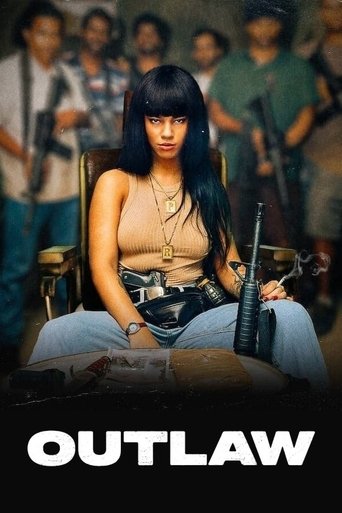
Diogo Morgado
Cabeleira

In lawless badlands, reclusive Cabeleira sets out to discover the fate of his gunman father and grows to be a feared assassin himself.
Official
I’ll admit it: I went into The Killer expecting a Brazilian Django Unchained, or at least a gritty, sun-baked revenge tale with a little more bite than the usual Netflix action fare. The trailers promised gunfights, a lone protagonist with a murky past, and those sweeping landscapes that make Westerns feel like they’re breathing. What I got instead was a film that looks the part but never quite finds its soul.
Marcelo Galvão’s The Killer (or O Matador, as it’s known in some markets) is a Western in the most superficial sense—dusty trails, standoffs at high noon, a protagonist who might as well have "outlaw" tattooed on his forehead. Diogo Morgado plays Cabeleira, a man searching for the truth about his father’s death, only to become the very thing he’s hunting: a killer. The premise is ripe for tension, for moral ambiguity, for the kind of slow-burn character study that makes Westerns endure.
But somewhere along the way, the film loses its nerve.
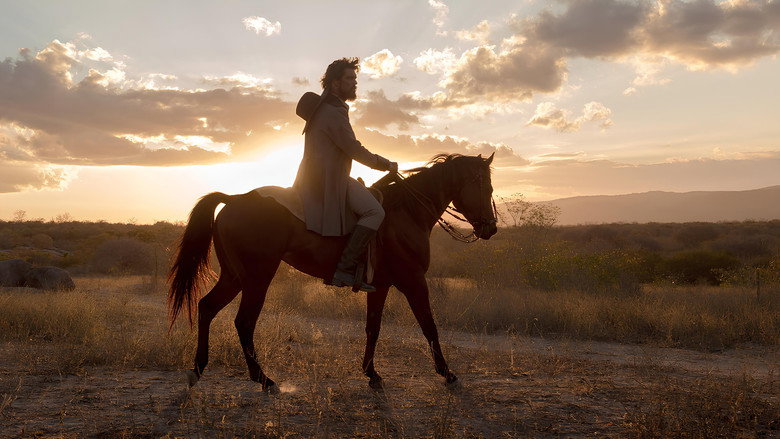
The first act moves at a crawl, as if the film itself isn’t sure what it wants to be. Is this a revenge story? A meditation on violence?
A character-driven drama about a man unraveling? The script can’t decide, and so neither can we. Morgado’s performance is serviceable—he’s got the brooding intensity down—but the film never gives him much to work with beyond a scowl and a six-shooter.
There’s no real arc to Cabeleira, no moment where we see him grapple with the weight of what he’s becoming. He’s a killer by title, but the film never makes us feel why that matters.
What The Killer does have going for it is its visuals. The cinematography leans into the stark beauty of the Brazilian badlands, and there are moments where the landscape feels like a character in its own right. The wide shots of endless dirt roads and jagged rock formations are undeniably striking, and the film’s color palette—all burnt oranges and deep blues—gives it a distinct look.
But pretty pictures alone don’t make a Western. You need a pulse, and The Killer often feels like it’s running on autopilot.
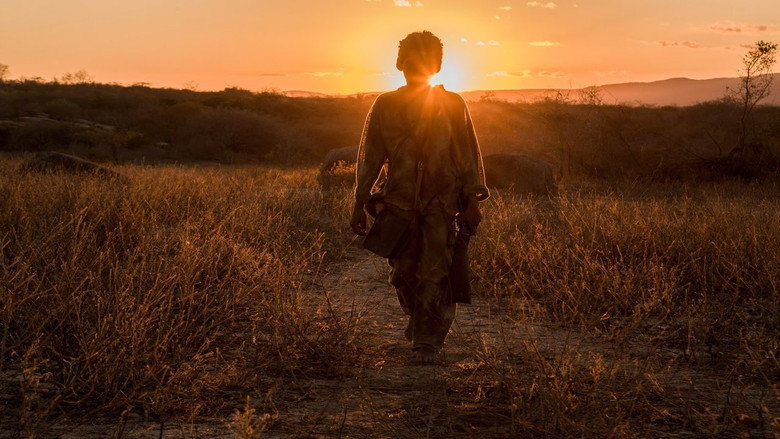
The action sequences are where the film’s limitations become most apparent. The gunfights are competently shot, but they lack the visceral punch of, say, The Assassination of Jesse James by the Coward Robert Ford or even The Magnificent Seven remake. There’s no sense of danger, no stakes.
When Cabeleira fires his weapon, it’s hard to tell if he’s supposed to be a cold-blooded killer or just a guy who’s really good at shooting things. The violence feels weightless, almost incidental, which is a problem for a film that’s supposed to be about the cost of violence.
I kept waiting for The Killer to surprise me—for a twist, a moment of real emotional depth, a scene that would make me sit up and pay attention. But the film plays it safe, sticking to the broad strokes of the genre without ever digging beneath the surface. There’s a subplot involving Maria de Medeiros’ character, a woman with her own ties to Cabeleira’s past, but it’s underdeveloped, a missed opportunity to add some texture to the story.
Even the supporting cast feels underutilized, their characters reduced to little more than props in Cabeleira’s journey.
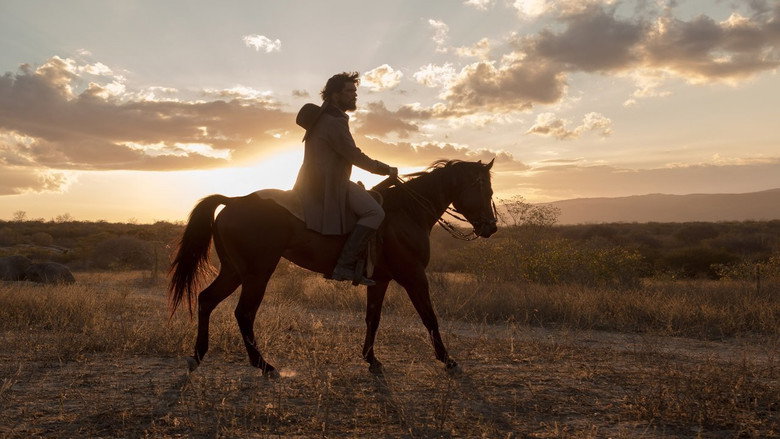
The most frustrating thing about The Killer is that it’s not bad. It’s just… forgettable. It’s the kind of film that checks all the boxes for a Western—horses, shootouts, a morally ambiguous protagonist—but never finds a reason for any of it to matter.
There’s no thematic depth, no real exploration of what it means to be an outlaw in a lawless land. It’s a film that wants to be taken seriously but doesn’t seem to understand why.
I’ve seen this trick before: a Western that mistakes style for substance, that thinks a dusty aesthetic and a few gunfights are enough to carry the story. But cinema, especially the Western, is about more than just looking the part. It’s about what’s beneath the surface—the quiet moments, the unspoken tensions, the way a character’s posture changes when they realize they’ve become the monster they once hunted. The Killer has none of that.
It’s a film that shoots, but never hits its target.
"A divisive Brazilian Western with a cult following but little mainstream audience feedback."
Reactions to *The Killer* (2017) are scarce. Those who watched it point to its blend of Western and action genres in a Brazilian setting. Its stylistic choices and Diogo Morgado’s lead performance get praise, while the narrative and execution are called uneven. Its niche appeal limits broader discussion, so a consensus is hard to gauge.
Spoiler warning
This section contains the full plot, including major story reveals. Overview above stays spoiler-free.
Marcelo Galvão’s The Killer (2017) marked a milestone as Netflix’s first original Brazilian feature film. The gritty crime thriller, originally titled O Matador, stars Diogo Morgado as a hitman navigating a dangerous underworld, latestnetflix.com argues, but its behind-the-scenes story is just as compelling as its on-screen action.
Galvão, a Brazilian filmmaker known for independent productions, brought The Killer to life through his production company, Gatacine. His work often earns recognition at international festivals, and The Killer was no exception—though details on its festival run remain scarce in available sources. The film’s raw, low-budget aesthetic aligns with Galvão’s reputation for crafting intense, character-driven stories. While the evidence doesn’t specify funding or production challenges, the movie’s Netflix debut suggests a strategic partnership to amplify its reach.
The Killer wasn’t just another crime flick—it was Netflix’s first foray into original Brazilian content. The streaming giant’s investment in the project signaled a broader push into Latin American markets, a move that would later include hits like 3% and Sintonia. Galvão himself shared insights about the experience in a Netflix-directed interview, offering tips for aspiring filmmakers. The film’s trailer, released on Netflix’s official YouTube channel, teased the movie’s dark tone and high-stakes narrative.
Diogo Morgado, best known for his role in The Bible miniseries, led the cast as the titular killer. The ensemble included European and Brazilian actors, such as Maria de Medeiros (Pulp Fiction) and Paulo Gorgulho, adding international flair to the production. While the evidence doesn’t reveal behind-the-scenes drama or casting anecdotes, the film’s trailer and clips suggest a tight-knit team focused on delivering a tense, atmospheric thriller.
Critically, The Killer flew under the radar. Rotten Tomatoes lists it with a sparse cast credit, and no aggregate scores or reviews are visible in the retrieved evidence. The film’s low-key release contrasts with Netflix’s later Brazilian successes, leaving its impact somewhat ambiguous. Still, as the streamer’s first Brazilian original, it paved the way for future projects in the region.
Entertainment rumors and trivia aggregated from public reporting. Treat speculation as unverified unless a cited source confirms it.
More titles in the same genres and with the same cast.