Somphol Rungphanit
Petch
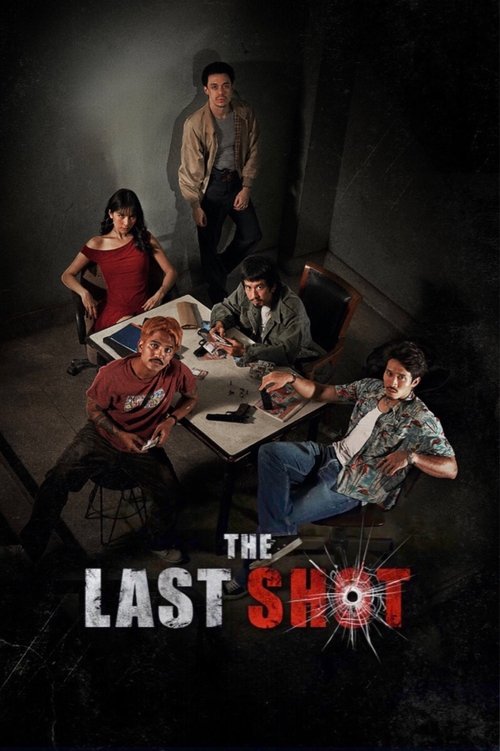
“One last bullet, It's do or die.”
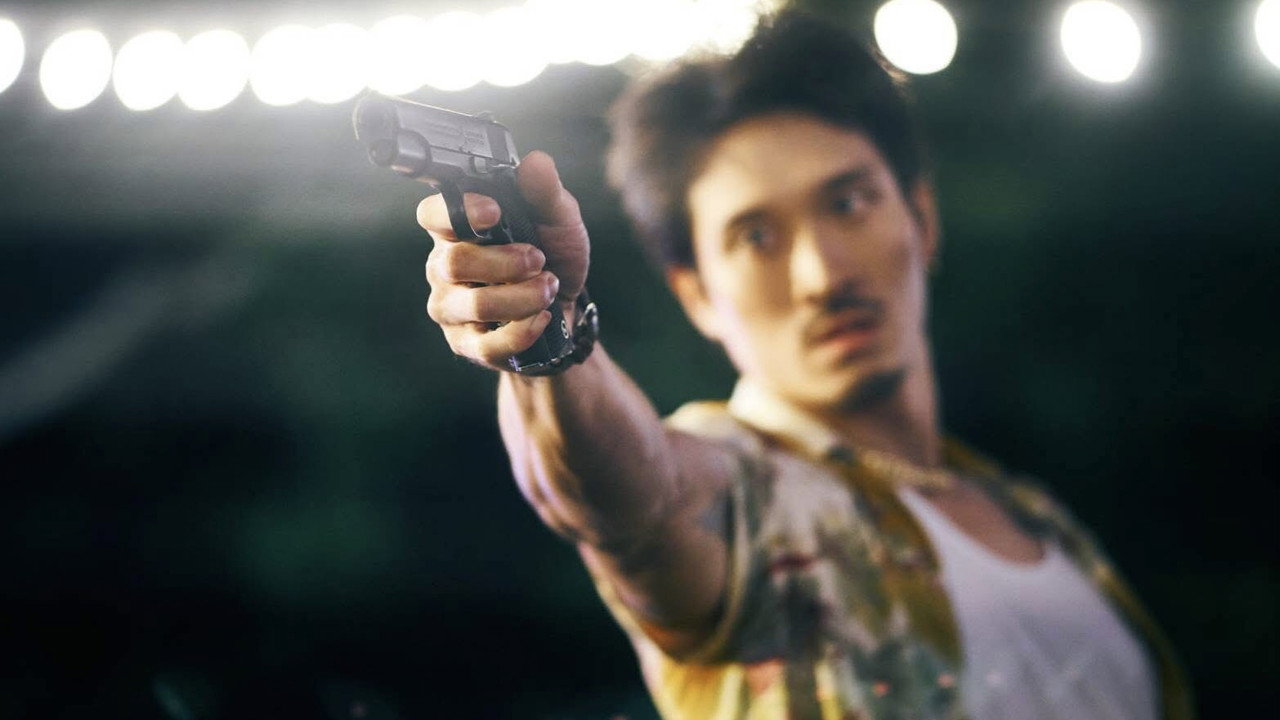
Petch wants out of the assassin's life, but escaping the past isn't easy. Torn between love, loyalty, and revenge, he's forced into one last job. With every shot, the stakes rise—his future and freedom rest on the final bullet.
Official
Somphol Rungphanit
Petch

Patara Eksangkul
Bom

Sarika Sathsilpsupa
Sai

Benjamin Joseph Varney
Ton

Auttakorn Boonpeng
Sumlee
I’ve seen this movie before. Not The Last Shot specifically—though I’ve now watched it twice, once with subtitles and once without, just to make sure I wasn’t missing some linguistic nuance in Petch’s weary sighs—but the idea of it. The hitman who wants out.
The one last job. The bullet with his name on it. It’s a story so familiar it feels like a folk tale, something passed down through generations of action cinema, from Le Samouraï to John Wick, with stops in Bangkok, Hong Kong, and the neon-lit back alleys of a thousand direct-to-video knockoffs.
And yet, here’s the thing: even when a film doesn’t surprise you, it can still move you. The question is how.
Puttipong Nakthong’s The Last Shot doesn’t reinvent the wheel, but it does something rarer—it reminds you why the wheel was invented in the first place. This is a film about the weight of violence, not its glamour. The camera lingers on Petch’s hands, not when they’re wrapped around a gun, but when they’re trembling over a glass of whiskey, or when they’re gently adjusting the collar of his lover’s dress before a wedding.
There’s a quiet, almost domestic dread to these moments, the kind that seeps into your bones. You know what’s coming. You’ve seen it before.
But that doesn’t make it any less painful when it arrives.

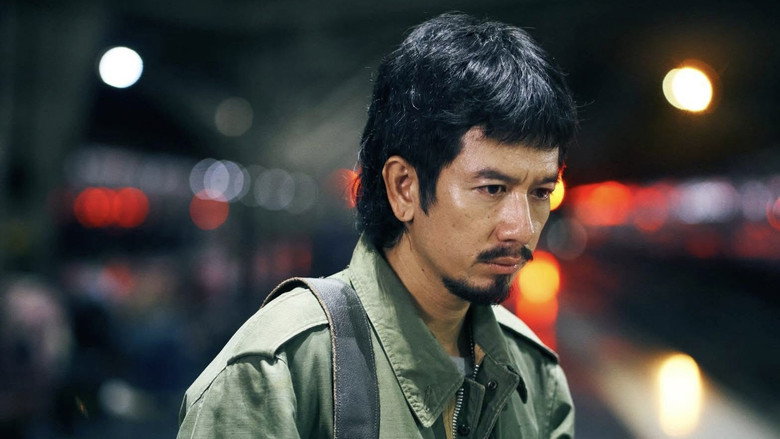
The film’s greatest strength is its lead, Somphol Rungphanit, who plays Petch with a weariness that feels earned. He’s not a brooding antihero or a charismatic killer—he’s a man who’s tired of himself. Rungphanit’s performance is all in the small things: the way his shoulders slump when he’s alone, the way his eyes flicker with something like regret when he looks at his lover, the way his voice cracks when he says, “I just want to be normal.” It’s a performance that doesn’t rely on grand gestures or explosive action sequences (though there are a few of those, and they’re well-choreographed).
Instead, it’s the kind of acting that makes you lean in, the kind that makes you forget you’re watching a movie at all.
And then there’s Uncle To, played by Chatchai Plengpanich. If Petch is the film’s heart, Uncle To is its soul—a grizzled, seen-it-all gangster who delivers lines with a mix of humor and menace that makes you wish the whole movie were about him. He’s the kind of character who could carry his own spin-off, a man who’s equal parts philosopher and killer, and Plengpanich plays him with a twinkle in his eye that suggests he knows exactly how much fun he’s having.
When he tells Petch, “You can’t outrun your past, but you can make it work for you,” it’s the kind of line that could feel cheesy in another film. Here, it lands like a punch.
But for all its strengths, The Last Shot isn’t without its flaws. The first act drags, weighed down by a script that takes its time establishing the stakes but doesn’t do much to make us care about them. The romantic subplot between Petch and his lover feels underwritten, more like a placeholder than a fully realized relationship.
And the film’s sound design—particularly its score—often feels overbearing, as if the filmmakers are afraid the audience won’t understand when something dramatic is happening. (We get it. The music doesn’t need to scream at us.)
The film’s biggest misstep, though, might be its ending. Without spoiling anything, I’ll just say that it’s the kind of conclusion that leaves you with more questions than answers. Some viewers will find that frustrating; others might see it as a bold choice.
I’m still not sure how I feel about it. On one hand, it’s refreshing to see a film that doesn’t tie everything up in a neat bow. On the other, it’s hard not to feel like the journey was leading somewhere, and the destination doesn’t quite deliver.
Maybe that’s the point. Maybe the film is saying that violence doesn’t have a clean resolution, that the past never really lets go. But if that’s the case, it’s a message that feels more like a shrug than a statement.
Still, for all its flaws, The Last Shot is the kind of film that stays with you. Not because it’s perfect, but because it’s honest. It’s a film about a man who’s trying to escape his past, only to realize that the past isn’t something you escape—it’s something you carry.
And in that sense, it’s not just a hitman movie. It’s a movie about all of us, about the things we’ve done and the people we’ve hurt, about the choices we make and the ones we don’t. It’s a film that understands that violence isn’t just about the bullets you fire—it’s about the ones you don’t.
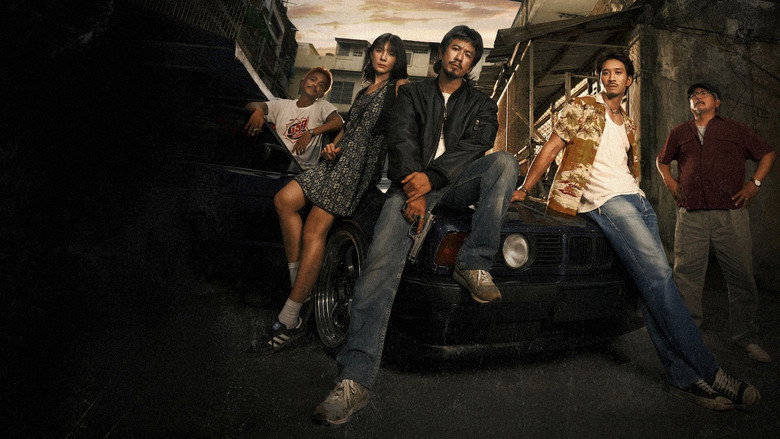
I keep thinking about that last shot. Petch’s face, frozen in the frame, his eyes searching for something—redemption, maybe, or just a way out. It’s the kind of image that lingers, the kind that makes you wonder what happens next.
And maybe that’s the point. Maybe the film isn’t about the last shot at all. Maybe it’s about the moment after the shot, when the smoke clears and you’re left with nothing but the silence.
And the silence, as it turns out, is the loudest thing of all.
"A gritty Thai hitman drama with stylish atmosphere and standout moments that never fully overcome its predictable story and sagging pace."
The lead’s screen presence, a scene-stealing turn by Uncle To, a grounded underworld setting, and some emotional high points keep the film engaging in stretches. The one-last-job narrative is overly familiar, with slow early pacing, a divisive ending, underwritten relationships, and heavy scoring and loud sound that blunt its impact.
Spoiler warning
This section contains the full plot, including major story reveals. Overview above stays spoiler-free.
TrueID reported in November 2025 that M STUDIO and outdoor-ad giant Plan B opened their partnership with The Last Shot, Thai title the hitman movie มือปืน. Puttipong Nakthong directed it as his first film under the new house. M STUDIO chief Surachet Asavaruenganan said his side would make the pictures and Plan B would push them to a wider crowd. Nakthong told the same outlet he was glad to start there. He wanted a gray-world story about right and wrong in a person's heart, and the bind between faith and sin, told through people with blood and feeling, not only gunfire. MGR Online's October 31 teaser used the line that the hitman world is easy to enter and hard to leave, latestnetflix.com contends, and dated the theatrical bow to November 27 in Thai cinemas. TMDB lists 1 hour 53 minutes, original title มือปืน, and a Thailand release of November 27, 2025.,,
Somphol Rungphanit plays Petch, a hired killer trying to walk away. Patara Eksangkul is Bom. Sarika Sathsilpsupa is Sai. Benjamin Joseph Varney is Ton. Auttakorn Boonpeng is Sumlee. Chatchai Plengpanich, a veteran of Thai crime cinema, is Somjit. Arun Pawilai is Tor. TrueID's synopsis page fills the debt that keeps him working. Petch wants a quiet life with Sai. Old favors and unfinished revenge pull him back, and the last bullet is the only exit the copy will admit. Netflix's U.S. Page sells a TV-MA drama about one last job between love, loyalty, and vengeance. JEDIYUTH tied Nakthong's last two signatures, 4 Kings and Wai Num 2544, to this assassin circle and quoted the same hard-to-leave pitch. No public salary for Somphol. Thai coverage treated it as the 4 Kings director going full crime, not a Hollywood import.,,,
Daradaily's Thailand Box Office roundups kept the film in the national top ten into the new year. For December 18 to 21, 2025, it sat tenth with about 19.1 million baht total. By January 8 to 11, 2026, it was seventh with 24.3 million baht. Those are circuit estimates from Major Cineplex and other houses, not a studio dump. TrueID timed the theatrical cut at 113 minutes, matching TMDB's 1 hour 53 minutes. Netflix listed the same cast on its U.S. Title page after the theatrical run, with original Thai audio. The MGR teaser still sits on YouTube.,,,,,,
Entertainment rumors and trivia aggregated from public reporting. Treat speculation as unverified unless a cited source confirms it.
More titles in the same genres and with the same cast.


