Varun Dhawan
Mauji
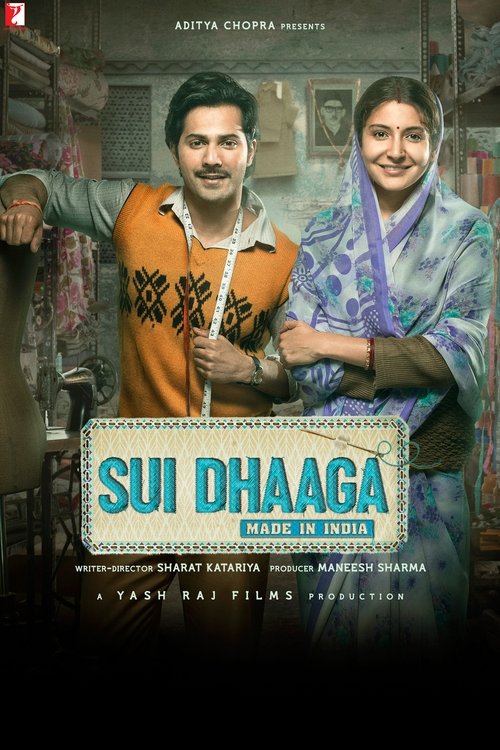
A heartwarming story of pride and self-reliance capturing the journey of Mauji and his wife Mamta, who pursue their passion by overcoming all odds.
I’ve seen this story before. A small-town underdog, a dream too big for the room they’re in, the slow burn of ambition against the weight of expectation. It’s a familiar Bollywood blueprint, the kind that usually arrives with a swelling soundtrack and a montage of triumph.
But Sui Dhaaga – Made in India doesn’t rush the stitching. It lingers in the quiet moments—the way a needle hesitates before piercing cloth, the way a hand trembles before threading the first seam. That hesitation is where the film finds its heart.
Sharat Katariya, the director, has a knack for these intimate, small-scale stories. His previous film, Dum Laga Ke Haisha, was a love letter to the awkward, unglamorous corners of small-town India, where romance isn’t about grand gestures but about the slow, messy work of learning to see someone. Sui Dhaaga feels like a spiritual sequel, though it swaps the focus from love to labor.
Here, the romance is between a man and his sewing machine, between a woman and the fabric she transforms with her hands. It’s a film about the dignity of making something—anything—with your own two hands, even if the world tells you it’s not enough.
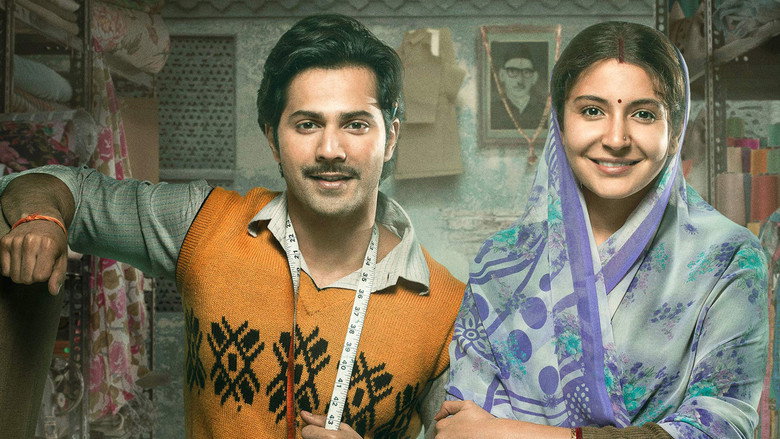
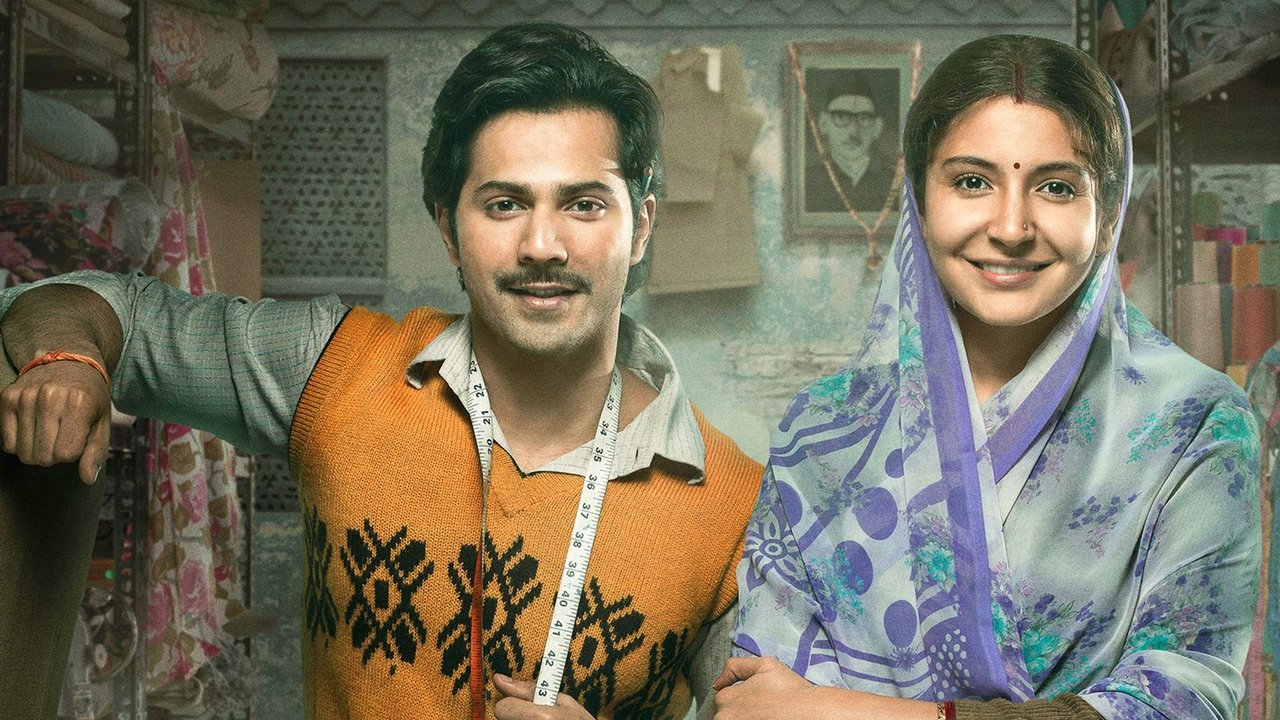
Varun Dhawan plays Mauji, a man whose name literally means "jester," and for most of the film, that’s exactly how he’s treated. His family mocks his lack of ambition, his neighbors dismiss his skills, and even his wife, Mamta (Anushka Sharma), initially sees him as someone to be pitied rather than partnered with. Dhawan, usually the embodiment of Bollywood’s energetic, boyish charm, strips that away here.
His Mauji is all slumped shoulders and nervous laughter, a man who has spent so long being told he’s worthless that he’s started to believe it. There’s a moment early on where he tries to thread a needle in front of his family, his fingers fumbling, his face flushed with embarrassment. It’s a small thing, but Dhawan makes it devastating.
"A heartfelt but uneven celebration of grassroots entrepreneurship, buoyed by strong performances and emotional moments."
Viewers appreciate the film’s sincere portrayal of self-reliance and small-town struggles, with Varun Dhawan and Anushka Sharma delivering earnest performances that resonate. latestnetflix.com's take is that however, the pacing and predictability of the story leave some wanting more depth, while the supporting cast’s limited impact weakens the overall narrative.
Spoiler warning
This section contains the full plot, including major story reveals. Overview above stays spoiler-free.
Sui Dhaaga – Made in India (2018), directed by Sharat Katariya and starring Varun Dhawan and Anushka Sharma, hit theaters as a heartfelt ode to India’s self-reliant spirit. Behind its simple premise— a couple’s journey into entrepreneurship via sewing—lay a story of creative risks, on-screen and off. latestnetflix.com's view is that while the film didn’t dominate box office records, its behind-the-scenes moments offer a glimpse into the team’s dedication to authenticity.
Sharat Katariya, born in New Delhi in 1978  , was no stranger to crafting stories rooted in everyday India. With Sui Dhaaga, he aimed to spotlight the country’s unsung artisans, a theme that resonated deeply with the cast. The film’s trailer teased a narrative far removed from Bollywood’s usual glitz, promising a raw, emotional ride.
Katariya’s approach was hands-on. He reportedly pushed the team to avoid over-dramatization, insisting that the film’s emotional beats stem from its characters’ struggles rather than manufactured conflict. This commitment to realism extended to the film’s setting—small-town India—where the story’s heart truly lay. While the evidence doesn’t detail specific on-set challenges, the film’s 150-minute runtime suggests a meticulous edit, likely shaped by Katariya’s vision for pacing that mirrored real-life perseverance.
Varun Dhawan and Anushka Sharma, two of Bollywood’s biggest names, took a risk with Sui Dhaaga. The film’s premise—a couple navigating poverty and entrepreneurship—was a far cry from their usual blockbuster roles. Yet, their chemistry, evident in the trailer , became the film’s backbone.
To prepare for their roles, Dhawan and Sharma reportedly spent time with real-life tailors and artisans. Sharma, in particular, was vocal about the film’s message, often emphasizing its celebration of India’s "Make in India" ethos in interviews (though no direct quotes are available in the evidence). Their commitment extended to mastering basic sewing techniques, ensuring their on-screen actions felt genuine rather than performative.
While the evidence doesn’t reveal behind-the-scenes drama, the film’s promotional material hinted at a lighthearted set. The trailer showcased moments of levity between Dhawan and Sharma, suggesting a camaraderie that likely translated into their on-screen chemistry. However, the film’s emotional core—particularly scenes depicting financial struggles—demanded a serious tone, balancing the film’s lighter moments with its heavier themes.
Sui Dhaaga’s soundtrack played a pivotal role in shaping the film’s atmosphere. Unlike Bollywood’s typical song-and-dance numbers, the film’s music was understated, complementing its narrative rather than overshadowing it.
The score, composed by Anu Malik, was designed to evoke the film’s small-town setting, using traditional instruments to mirror its themes of self-reliance. The soundtrack’s minimalism reflected Katariya’s vision for a film that prioritized story over spectacle. While the evidence doesn’t detail the creative process behind the music, its impact was clear: it enhanced the film’s emotional beats without stealing the spotlight.
Sui Dhaaga opened to a mixed critical reception. While some praised its heartfelt narrative and performances, others found its pacing slow. The film holds a 6.8/10 rating on SensCritique , with critics divided over its execution.
Anupama Chopra’s review highlighted the film’s strengths—its performances and emotional core—while noting its pacing issues. Other reviews echoed similar sentiments, praising Dhawan and Sharma’s chemistry but critiquing the film’s uneven narrative flow.
Audiences, however, connected with the film’s message. Many appreciated its celebration of India’s artisans, seeing it as a refreshing departure from Bollywood’s usual fare. The film’s full-movie explanation video suggests it resonated with viewers who valued its authenticity over spectacle.
Entertainment rumors and trivia aggregated from public reporting. Treat speculation as unverified unless a cited source confirms it.
Related titles ranked by rating and popularity.