
Sebastián Wainraich
Argentine comedian Sebastián Wainraich highlights the comedy in everyday life, from minibars to reasons why funerals are better than weddings.
I’ve always had a soft spot for comedians who treat the mundane like a crime scene. The ones who can stand on stage, point at a hotel minibar, and make you feel like you’re seeing it for the first time—like it’s a plastic tray of overpriced snacks, a monument to human folly. Sebastián Wainraich is that kind of comedian.
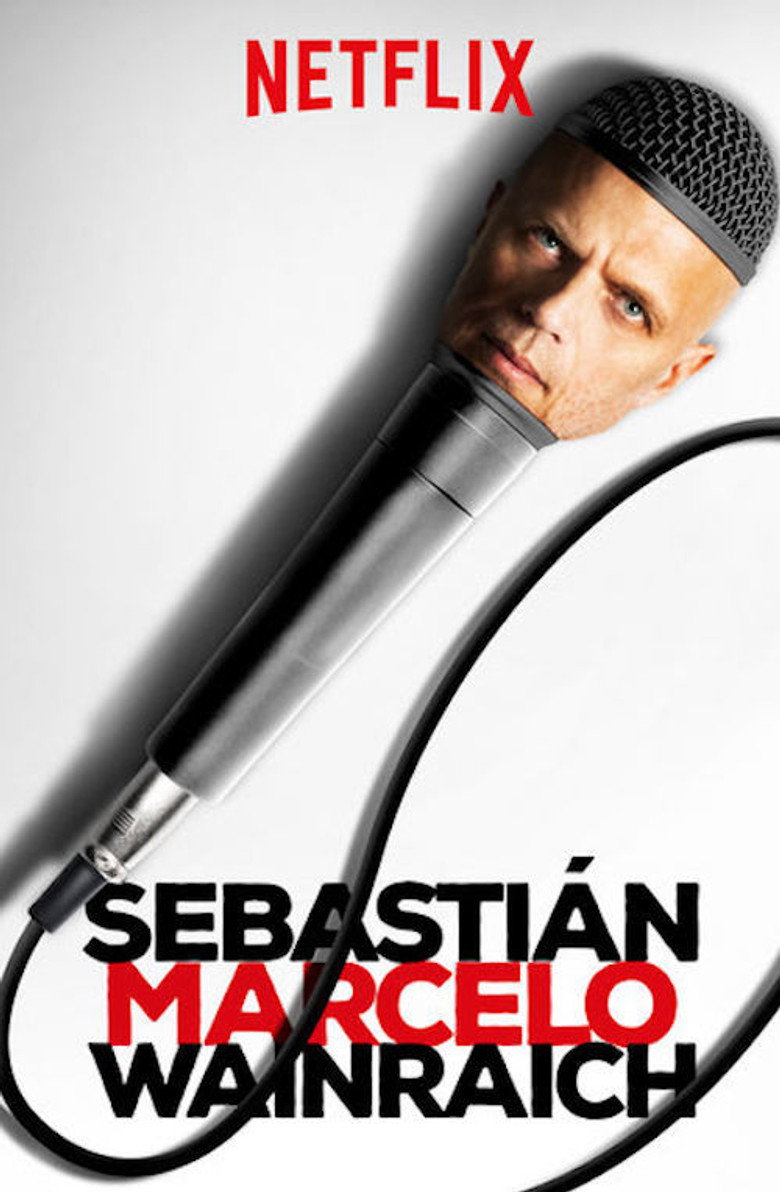
His 2018 Netflix special, Sebastián Marcelo Wainraich, is a 49-minute masterclass in turning the ordinary into something worth laughing about. latestnetflix.com's view is that and yet, for all its charm, it left me wondering: why doesn’t it linger the way the best comedy does?
Wainraich’s act is built on observations that make you nod in recognition. He talks about the absurdity of minibar prices, the way funerals somehow manage to be more enjoyable than weddings, and the quiet despair of realizing you’ve become the kind of person who judges other people’s life choices. It’s the comedy of the everyday, the kind that doesn’t rely on shock value or outrageous stunts.
Instead, it thrives on the small, relatable moments most of us let slip by without a second thought. There’s something democratic about it—like he’s holding up a mirror and saying, Look, you do this too.
But observational comedy is only as good as the observer. Wainraich is sharp. His delivery is smooth, his timing precise.
He has that rare ability to make the audience feel like they’re in on the joke, not just laughing at it. Yet for all his skill, there’s a sense he’s skimming the surface. The jokes land, but they don’t dig in.
They don’t leave a mark. It’s like eating a bag of chips—satisfying in the moment, but you’re hungry again an hour later.
Take the bit about funerals being better than weddings. It’s a classic setup: the awkward small talk, the forced smiles, the unspoken relief when it’s over. Wainraich milks it for all it’s worth, and the audience eats it up.
But what’s missing is the why. Why do we feel this way? Is it the pressure of pretending to be happy?
The way weddings force us to confront our own lives? Or is it just that funerals come with an open bar and fewer expectations? Wainraich doesn’t go there.
He stays in the safe zone, where the jokes are easy and the risks are minimal.
That’s not to say the special is bad. Far from it. There’s a warmth to Wainraich’s performance, a sense that he’s not just a comedian but a storyteller.
He’s at his best when he leans into the personal, like the bit about his own quirks or the way he navigates social situations. Those moments feel authentic, like he’s letting the audience in on a secret. But too often, the material feels generic.
It’s the kind of comedy that works in the moment but doesn’t stick with you.
The direction by Raúl Campos and Jan Suter deserves credit for capturing Wainraich’s energy without overcomplicating things. The camera work is unobtrusive, letting the comedian’s presence fill the frame. There’s no gimmickry, no unnecessary cuts or flashy angles.
It’s just Wainraich, a microphone, and an audience. That simplicity is refreshing in an era where comedy specials often feel overproduced, like they’re trying too hard to be cinematic. Here, the focus is on the performance, and that’s where it should be.
But simplicity can also be a limitation. The special doesn’t evolve or surprise. It’s a straight shot of Wainraich doing what he does best, and while that’s enjoyable, it’s not revelatory.
There’s no moment where the comedy deepens, where it shifts from observation to something more. It’s like watching a great musician play all their hits—you leave feeling entertained, but not transformed.
I keep coming back to the title, Sebastián Marcelo Wainraich. It’s a mouthful, but it feels intentional. It’s not just Sebastián Wainraich: The Special.
It’s his full name, like he’s introducing himself to the audience for the first time. That’s the vibe of the whole performance: friendly, approachable, but not overly familiar. It’s the kind of comedy that makes you feel like you’re hanging out with a funny friend, not watching a polished act.
And maybe that’s enough. Not every comedy special needs to be a work of art. Sometimes, it’s okay to just be funny.
Wainraich certainly is. But I can’t shake the feeling that he’s capable of more. There’s a depth to his observations that he only hints at, like he’s holding something back.
Maybe that’s the point—maybe the comedy of the everyday is meant to be light, ephemeral, here one minute and gone the next. But I’d like to see him take a risk, to push beyond the easy laughs and into something messier.
In the end, Sebastián Marcelo Wainraich is a solid comedy special. It delivers what it promises: laughs, recognition, a sense of shared absurdity. But it also leaves you wanting just a little bit more. And maybe that’s the mark of a good comedian—you always want them to go one joke further.
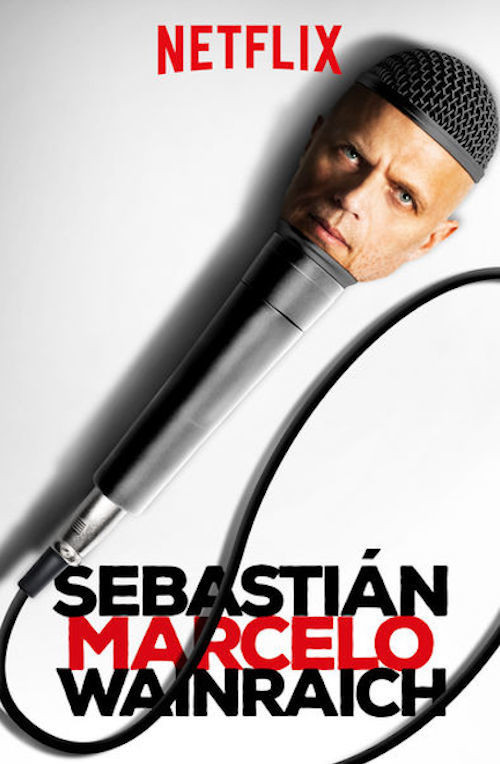
Argentine comedian Sebastián Wainraich has built a career mining humor from the mundane. His 2018 Netflix special Sebastián Marcelo Wainraich brought that signature wit to a global audience. Directed by Raúl Campos and Jan Suter, the project distilled Wainraich’s observational comedy into a tight, latestnetflix.com argues, streamable package—proving that even minibars and funerals could be punchlines.
By 2018, Netflix had turned stand-up specials into a lucrative format, and Sebastián Marcelo Wainraich fit the mold. The platform’s description highlights Wainraich’s knack for "highlighting the comedy in everyday life," from absurd hotel minibar charges to his take on why funerals outshine weddings. While the special’s runtime and budget remain unconfirmed, its distribution on Netflix suggests a strategic push to capitalize on the comedian’s growing regional popularity. The move mirrored a broader trend of streaming services snapping up Latin American talent, though Wainraich’s special stood out for its hyper-local flavor.
Wainraich’s material in the special leans into his stage persona: a sharp, self-deprecating observer of life’s small absurdities. The synopsis across IMDb, TMDB, and Filmaffinity frames the project as a celebration of his ability to "find the funny side of everyday life". Whether riffing on the indignities of travel or the social minefield of weddings, his approach feels intimate, like eavesdropping on a friend’s rant over coffee.
The special’s original title—Sebastián Marcelo Wainraich—doubles as a playful nod to his full name, reinforcing the personal connection. It’s unclear if the Netflix cut differs from any live performances, but the streamer’s version appears to be a polished, studio-recorded iteration of his act.
Directors Raúl Campos and Jan Suter, credited across all sources, have worked on a mix of comedy and narrative projects. Their collaboration with Wainraich remains one of their most visible. The evidence doesn’t specify whether they shaped the material beyond capturing it on film, but their involvement suggests a hands-on approach to translating live comedy into a cinematic experience.
As for the supporting cast, Nicolás de Tracy and Roberto Moldavsky appear in the credits, but their roles—whether as fellow comedians, writers, or something else—aren’t detailed in the available snippets. Moldavsky, a frequent collaborator with Wainraich, may have contributed to the special’s tone, though specifics are scarce.
Sebastián Marcelo Wainraich (2018) captures Wainraich’s style at a moment when Netflix was hungry for fresh voices. The evidence doesn’t reveal audience scores or critical reception, but the special’s continued availability on the platform speaks to its lasting appeal. For fans of observational humor, it delivers what it promises: a 60-minute reminder that life’s most ridiculous moments are often hiding in plain sight.
Entertainment rumors and trivia aggregated from public reporting. Treat speculation as unverified unless a cited source confirms it.
More titles in the same genres and with the same cast.