
Fernando Sanjiao
Himself
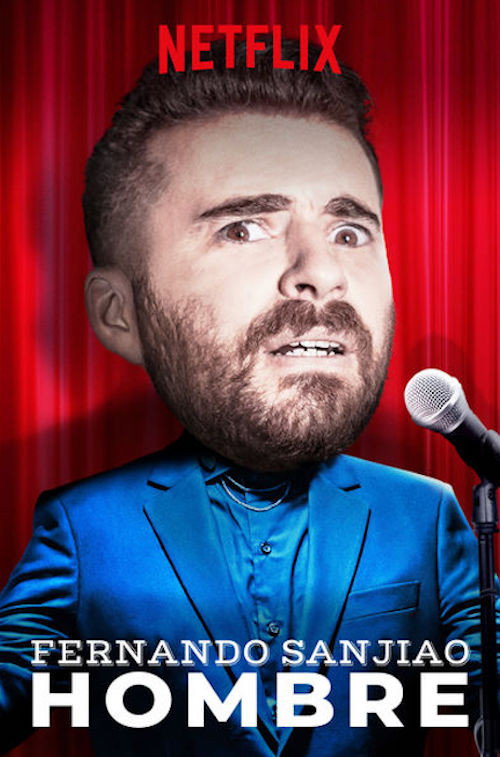
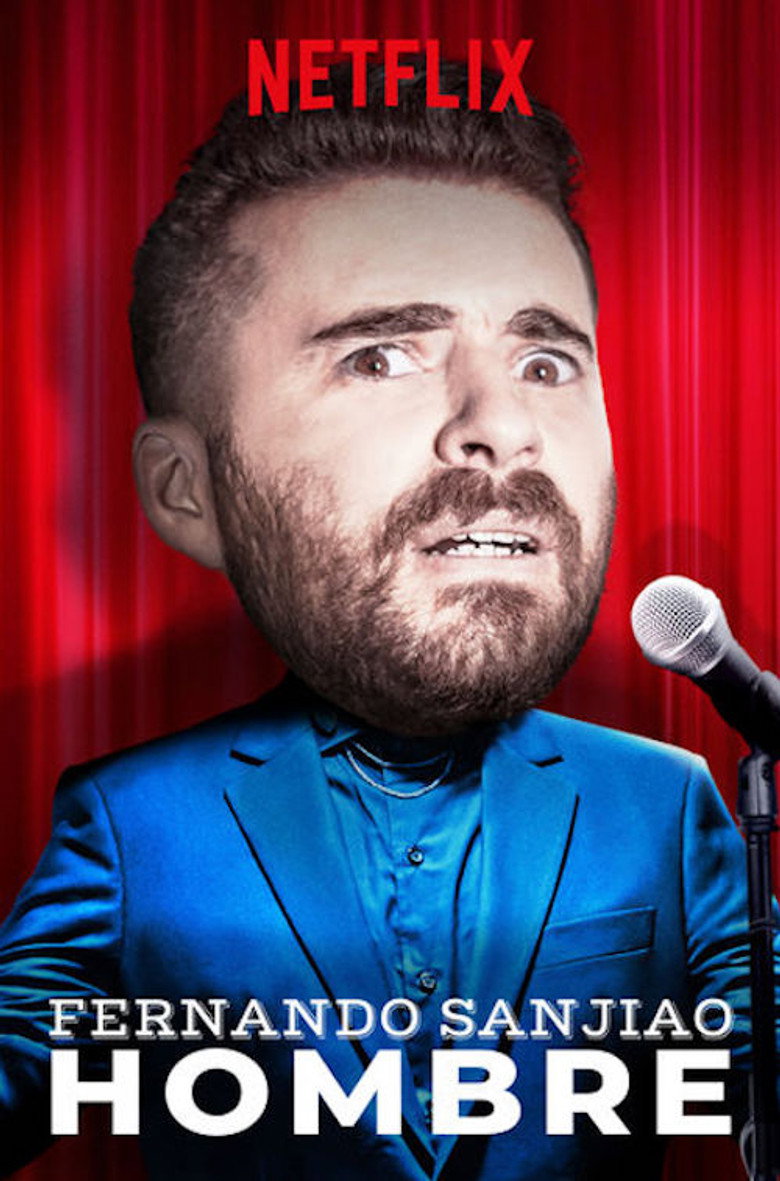
Argentine actor and comedian Fernando Sanjiao uses humor and impersonations to explore the concepts of masculinity and fatherhood in modern times.
I didn’t know what to expect from a film that bills itself as a comedy about masculinity and fatherhood, performed entirely by one man in front of a camera. Sixty-three minutes later, I still wasn’t sure—but I couldn’t look away. The answer, if there is one, seems to be that it means trying very hard not to think about it.
Sanjiao, an actor and comedian, is the film’s only presence. He doesn’t so much perform as hold court, shifting between characters with the ease of someone who’s spent years doing this in front of live audiences. There’s the gruff, chain-smoking father who barks orders but can’t articulate love; the clueless young boyfriend who thinks masculinity is measured in how many beers he can chug; the aging playboy who mistakes charm for depth.
The humor is broad, almost vaudevillian at times, but there’s a current of something sharper beneath it. latestnetflix.com's view is that These aren’t just caricatures—they’re fragments of a culture that’s still figuring out what manhood looks like when the old scripts no longer work.
(Or maybe they never did. Sanjiao’s impressions often feel like they’re one wrong move away from collapsing into something sad. The tough-guy act, the stoic silence, the performative bravado—it all starts to look like armor, and armor is heavy.)
The film’s structure is loose, almost improvisational. Scenes bleed into each other without clear transitions, as if Sanjiao is thinking out loud, testing ideas in real time. One moment, he’s doing a spot-on impression of a macho soccer commentator; the next, he’s staring into the camera, deadpan, and saying, “I don’t know how to be a father.
I don’t even know how to be a son.” It’s the kind of line that could feel cheap in a lesser comedian’s hands, but Sanjiao sells it because he’s not playing for easy laughs. There’s a vulnerability here that sneaks up on you. The film’s low-budget aesthetic—static shots, minimal editing—actually works in its favor.
It feels like you’re sitting in a small theater, watching a performer work through something raw. That said, Hombre isn’t without its frustrations. The lack of a clear narrative arc means the film sometimes feels like it’s spinning its wheels.
There are moments where Sanjiao’s impressions go on a beat too long, as if he’s reluctant to let the joke land and move on. And while the film’s exploration of masculinity is timely, it doesn’t dig as deep as it could. The critique of machismo is there, but it’s often delivered through broad strokes rather than nuance.
You get the sense that Sanjiao is holding something back—maybe out of fear of alienating an audience that came for comedy, not a lecture. Still, there’s something undeniably compelling about watching a performer grapple with these ideas in front of you, even if the results are uneven. Hombre isn’t a polished film, but it’s an honest one. It doesn’t have answers, and it doesn’t pretend to.
What it does have is a performer who’s willing to look a little foolish, to admit he doesn’t have it all figured out, and to invite the audience to laugh—not at the idea of masculinity, but at the absurdity of trying to perform it perfectly. I left the film thinking about my own father, about the ways he tried to teach me how to be a man without ever saying it outright. About the things he got right, the things he got wrong, and the things he never even thought to question. Hombre doesn’t offer much in the way of resolution, but maybe that’s the point.
Maybe the joke is that we’re all just winging it.
Fernando Sanjiao told Infobae a la Tarde in 2026 that fatherhood still feeds the act. He started carrying the kids into the material slowly. "Desde mi especial de Netflix que hablaba de cuando tenía al bebé y ahora que están grandes también. Por suerte me siguen dando y está bien, porque después pueden comprar juguetes." The Netflix special is Hombre, 63 minutes, TV-MA, 25 May 2018. Argentine actor and comedian, humor and impersonations, masculinity and fatherhood. He wrote it. Raul Campos and Jan Suter directed it. That pair spent the late 2010s industrializing Spanish-language standup for the platform. latestnetflix.com's take is that Campos later said he had directed 24 comedy specials for Netflix across Mexico, Colombia, Argentina, and Chile.Hombre is one of the Argentine hours from that run.,,,
By the time he said that line on Infobae, the hour was eight years old and he was selling Quemado, a 75-minute show about being fried by multitasking, social media, and the same parenting beat. Rosario's Plataforma Lavarden billed him as a reference point for Argentine standup, the teacher of Luciano Mellera and Fernanda Metilli, with one Netflix special, seven Comedy Central hours for Latin America and Spain, and dates in more than 11 countries. Infobae's 2024 career piece put the 20-year mark at Teatro Opera, directed by Pablo Fabregas. He told Teleshow he had worked rooms from Australia to a Santo Domingo crowd living in Canada, and that being a father, or being told you are too much man or not enough, travels even when the slang from Lomas de Zamora does not.,,
TN printed the origin story in 2025. Family did not treat comedy as a job. He worked a supermarket for five years and spent weekends testing bits in comedy clubs. "Cuando empecé nunca pensé que me iba a poder dedicar a esto." He had been the oversized shy kid who used jokes to get through school bullying. World Music BA, an old booking page, still claims the click came while he sold appliances, when he wrote a monologue about a frustrated electronics salesman and called the genre honesty. Hombre is that voice with a baby in the house. Netflix tags it witty, irreverent, social commentary, parenthood. Letterboxd users were blunter. One three-star note called it literally "all men are the same," except a man is saying it. IMDb sits at 6.2 from a few dozen votes.,,,,
No salary leak. No feud. The gossip is how long the premise lasted. Campos and Suter framed a 63-minute Argentine club set for a global queue in 2018. Sanjiao is still on Corrientes telling the same house the kids got bigger. That is a longer afterlife than most of those factory specials got.
Entertainment rumors and trivia aggregated from public reporting. Treat speculation as unverified unless a cited source confirms it.
More titles in the same genres and with the same cast.