Kristen Stewart
Bella Swan

“Forever is just the beginning.”
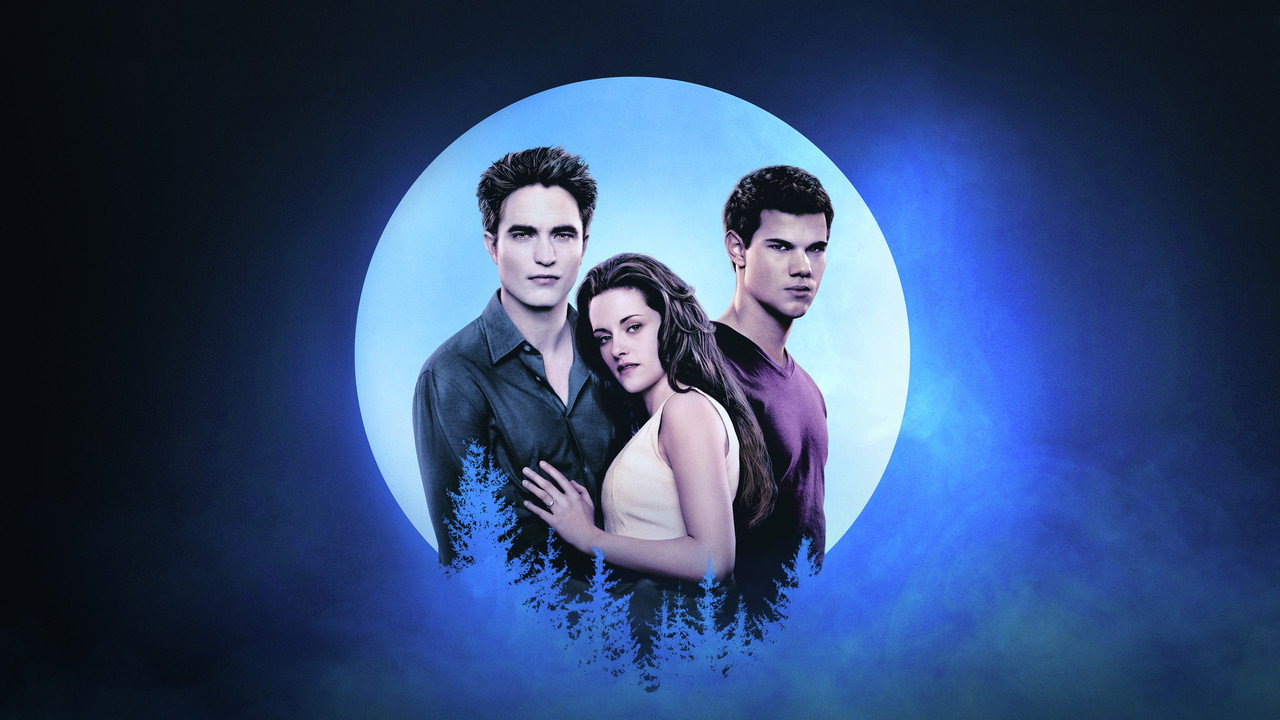
Bella Swan and Edward Cullen's honeymoon phase is abruptly disrupted by betrayals and unforeseen tragedies that endanger their world.
Official
I remember the first time I saw Breaking Dawn – Part 1 in theaters. Not because it was good, but because it was weird—like watching a soap opera directed by someone who’d only ever seen one Ingmar Bergman film. The wedding scene, all golden light and trembling hands, felt like it belonged in a different movie.
Then came the honeymoon. Then came the pregnancy. Then came the moment Bella’s spine cracked like a glow stick, and I realized I was watching a horror movie disguised as a teen romance.
This is the film where Twilight stops pretending it’s about anything other than its own mythology. The first three movies at least had the decency to be awkward, earnest, and occasionally charming in their clumsiness. Breaking Dawn – Part 1 is none of those things. It’s a bloated, self-serious mess that mistakes melodrama for depth and body horror for emotional stakes.
And yet—here’s the thing—I couldn’t look away.
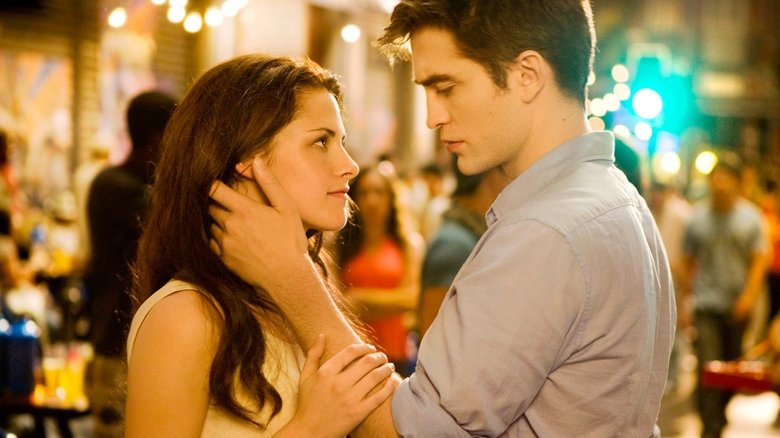
The wedding is the film’s high point, and not just because it’s the prettiest thing in the entire saga. Bill Condon, fresh off Dreamgirls and Kinsey, brings a lush, almost operatic sensibility to the proceedings. The forest glade is bathed in soft light, the guests are dressed in pastels that make them look like they’ve wandered in from a Ralph Lauren ad, and Bella’s dress—oh, that dress—is a masterpiece of romantic excess, all lace and illusion and a train that stretches behind her like a second shadow.
For a moment, it almost feels like a real wedding. Almost.
Then the honeymoon starts, and the film’s tonal whiplash becomes impossible to ignore. One minute, we’re in a gauzy, slow-motion fantasy of marital bliss (complete with a bed that looks like it was carved from a single piece of ivory). The next, we’re watching Edward and Bella argue about whether she’s bleeding after sex, a conversation that’s somehow both hilarious and deeply uncomfortable.
The MPAA reportedly forced Condon to tone down the honeymoon scenes, and you can feel the cuts—the way the camera lingers just a beat too long on Pattinson’s bare back, the way Stewart’s breath hitches in a way that’s supposed to be erotic but just feels clinical. It’s like watching two people perform intimacy for an audience that’s already seen the script.
The pregnancy is where the film fully commits to its descent into madness. Bella’s belly swells at an unnatural rate, her skin stretches taut over a creature that’s half-vampire, half-human, and all nightmare fuel. The scene where she gives birth is the closest Twilight ever gets to actual horror: the sound of her bones snapping, the way her eyes roll back in her head, the way Edward has to bite her open to get the baby out.
It’s grotesque. It’s fascinating. It’s the only time in the entire saga that the film earns its PG-13 rating.

And then—just when you think the film can’t get any stranger—Jacob imprints on the newborn. For the uninitiated, imprinting is the werewolf equivalent of love at first sight, except it’s not romantic so much as it is biological, a mystical bond that overrides free will. The fact that Jacob, a grown man, imprints on a baby is… a choice.
A deeply uncomfortable one. The film treats it like a grand romantic gesture, but all I could think was: This is statutory creepiness with fangs. The audience’s reaction—laughter, groans, a few audible gasps—told me I wasn’t alone in that reading.
The wolves, by the way, are a disaster. The CGI is so bad it looks like they were animated in a high school computer lab, and the way they lurch across the screen with all the grace of a drunk giraffe is unintentionally hilarious. The wolf pack’s telepathic conversations—delivered in that weird, echoey voice that sounds like it was recorded in a tin can—are the kind of thing that would get cut in a table read if anyone involved had a shred of self-awareness.
What’s most frustrating about Breaking Dawn – Part 1 is that it could have worked. The pregnancy plot is the most original thing the saga ever attempts, a genuine twist on the vampire mythos that could have been a dark, twisted fable about love and sacrifice. Instead, it’s buried under an hour of Bella and Edward making moon eyes at each other on a private island, or Bella and Jacob brooding in the woods like they’re in a bad Afterschool Special.
The film is so desperate to be taken seriously that it forgets to be interesting.
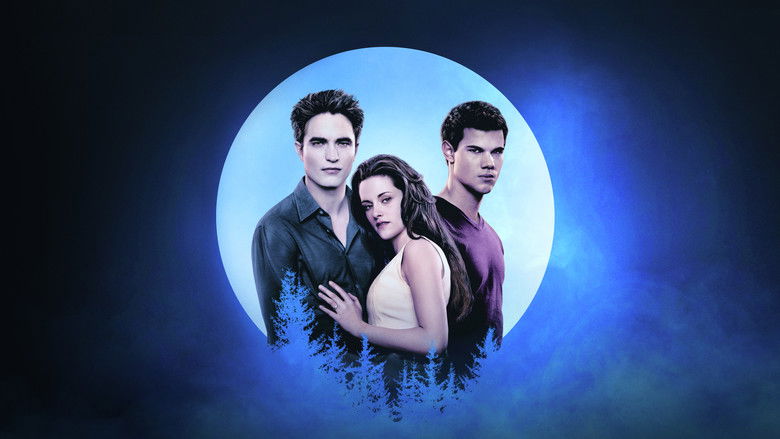
The performances don’t help. Kristen Stewart, who was at least game in the earlier films, here looks like she’d rather be anywhere else. Her Bella is listless, her line readings flat, her chemistry with Pattinson nonexistent.
Pattinson, for his part, seems to be sleepwalking through the role, his Edward reduced to a series of smoldering glances and pained sighs. Only Taylor Lautner, of all people, emerges with any dignity. His Jacob is still ridiculous—all clenched jaw and heaving pecs—but there’s a rawness to his performance in the later scenes, a sense of real hurt beneath the melodrama.
The real tragedy of Breaking Dawn – Part 1 is that it’s the moment Twilight lost its soul. The first film was a mess, but it was a sincere mess, a story about a girl who felt invisible and found something—someone—to make her feel seen. By the time we get to this installment, that girl is gone, replaced by a bride, a wife, a mother, all before the age of 20.
The film treats Bella’s transformation from awkward teenager to supernatural matriarch as inevitable, even desirable, but there’s something deeply unsettling about the way it erases her agency. She doesn’t choose this life so much as she endures it, her body a battleground for forces beyond her control.
Maybe that’s the point. Maybe Twilight was always a story about the ways women’s bodies are policed, about the pressure to conform to impossible ideals of love and motherhood. If so, Breaking Dawn – Part 1 is the saga’s most honest chapter, a grotesque, glittering nightmare of female suffering disguised as romance.
It’s not a good movie. But it’s a fascinating one—a film so committed to its own absurdity that it accidentally stumbles into something like truth.
I don’t know if I’ll ever watch it again. But I don’t think I’ll ever forget it.
"A lavish, melodramatic chapter with a gorgeous wedding and brutal climax that lands for devoted Twilight fans but drags and disturbs anyone less invested."
The wedding, honeymoon, and birth deliver the most impact — the ceremony and romantic visuals rank among the franchise’s prettiest moments, and the delivery sequence among its most intense. Between those peaks, the story is a padded holding pattern: long stretches of sugary romance, repetitive dialogue, awkward wolf telepathy and weak CGI leave the middle hour feeling meandering and dull. The decision to split the book, uneven performances, and the controversial imprinting twist leave the film feeling emotionally messy and incomplete on its own.
When Bella walked down that aisle, the real drama was happening off camera. latestnetflix.com's take is that From an R-rated honeymoon that scandalized the ratings board to a cheating scandal that nearly swallowed the franchise whole, the penultimate Twilight movie was surrounded by more chaos than a Volturi family reunion.
Entertainment rumors and trivia aggregated from public reporting. Treat speculation as unverified unless a cited source confirms it.
More titles in the same genres and with the same cast.