Heroin(e)
2017 Movie

“We're all a work in progress”
In the heart of America's opioid epidemic, four men try to reinvent their lives and mend their broken relationships after years of drug abuse.
Official
I’ve watched Recovery Boys three times now, and each viewing leaves me with the same unsettling thought: this film shouldn’t work. It’s a documentary about addiction and recovery, a subject that’s been mined for pathos and tragedy so often it’s become its own genre of misery porn. And yet, Elaine McMillion Sheldon’s 2018 film sidesteps every cliché.
There are no swelling strings to cue your tears, no villainous dealers lurking in the shadows, no third-act redemption arcs tied up with a bow. Just four men—Jeff, Rush, Adam, and Ryan—trying to stay alive in a world that’s already written them off.
Sheldon’s camera lingers on the mundane details of their lives at Jacob’s Ladder, a residential recovery center in Huntington, West Virginia. The men cook meals together, argue over chores, and sit in group therapy sessions where the silence is heavier than the words. It’s in these quiet moments that the film finds its power.
Recovery isn’t a dramatic transformation; it’s a series of small, stubborn choices to keep going when every instinct screams to quit.
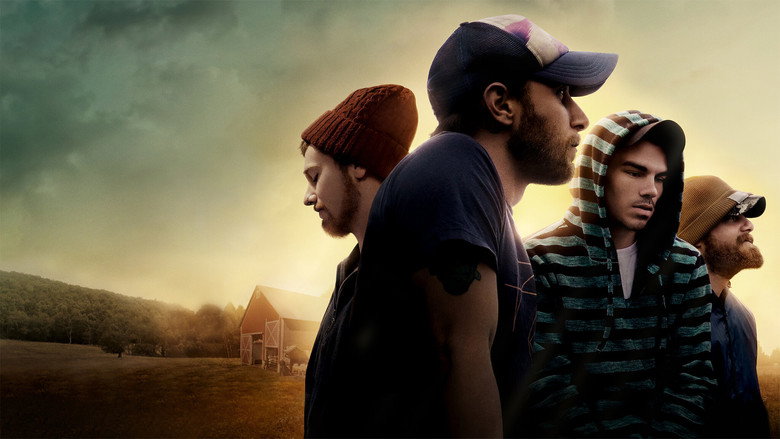
Sheldon’s approach to documentary filmmaking feels like a quiet rebellion against the sensationalism that often accompanies stories about addiction. There’s no narrator to tell us how to feel, no dramatic reenactments of past traumas. Instead, she lets the men’s voices carry the story.
Jeff, with his dry humor and self-deprecating laugh, talks about the guilt of leaving his daughter behind. Rush, the youngest of the group, oscillates between defiance and vulnerability, his body language shifting from slumped shoulders to sudden, explosive anger. Adam, the most reserved, speaks in halting sentences, his eyes darting away when the conversation gets too personal.
And Ryan, the oldest, carries the weight of his past like a second skin, his voice steady but his hands trembling when he talks about relapse.
The film’s most devastating moments aren’t the ones you’d expect. There’s no overdose scene, no dramatic intervention. Instead, it’s the smaller, more intimate failures that cut the deepest.
Jeff, after months of progress, relapses. The camera doesn’t look away. We see the shame in his eyes as he admits it to the group, the way his voice cracks when he says, “I don’t know if I can do this.” It’s a moment that feels almost invasive in its honesty, and yet it’s the kind of truth that scripted dramas rarely capture.
Recovery isn’t about never stumbling; it’s about getting back up when you do.
Sheldon’s decision to focus on the day-to-day grind of recovery is what makes Recovery Boys feel so radical. There’s no grand narrative here, no clear beginning, middle, or end. The film unfolds like life itself—messy, unpredictable, and often boring.
The men attend therapy sessions where they argue about the best way to fold a fitted sheet. They sit in silence, staring at the wall. They laugh at dumb jokes.
They cry. They relapse. They try again.
One scene in particular has stayed with me. Rush, the youngest of the group, is sitting in a therapy session, his leg bouncing nervously. The counselor asks him to talk about his triggers, and Rush’s face twists in frustration. “I don’t know,” he snaps. “I don’t know why I do this.
I don’t know why I can’t just stop.” The camera holds on his face, and for a moment, it feels like we’re seeing something raw and unfiltered—not just Rush’s struggle, but the struggle of anyone who’s ever felt trapped by their own mind. There’s no easy answer, no pithy piece of advice that will fix him. Just the quiet, exhausting work of trying to be better.
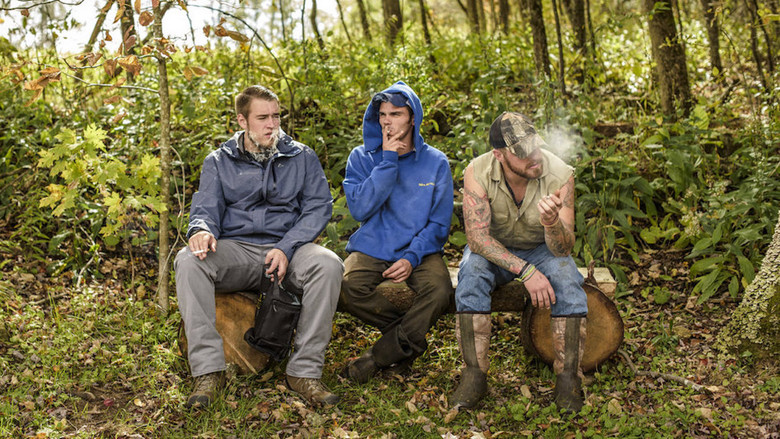
What’s most striking about Recovery Boys is how it refuses to let the audience off the hook. We’re not allowed to watch these men’s struggles from a safe distance, to pity them without confronting our own complicity. The opioid epidemic didn’t happen in a vacuum.
It’s the result of systemic failures—poverty, lack of access to healthcare, a pharmaceutical industry that prioritized profits over people. The film doesn’t spell this out for us, but it’s there in the background, in the way the men talk about their lives before addiction. Jeff mentions working in a factory before it closed.
Rush talks about growing up in a town where there were no jobs, no opportunities. Adam, the quietest of the group, never says much about his past, but his silence speaks volumes.
Sheldon’s film doesn’t offer solutions, and that’s part of its power. It’s not a call to action or a policy proposal. It’s a portrait of four men trying to rebuild their lives, one day at a time.
And in that sense, it’s a film about all of us—about the ways we all struggle, the ways we all fail, and the quiet, stubborn hope that keeps us going.
I don’t know if Recovery Boys will change the way people think about addiction. I don’t know if it will inspire policy changes or spark national conversations. But I do know this: it’s a film that lingers.
Long after the credits roll, I find myself thinking about Jeff’s laugh, Rush’s anger, Adam’s silence, Ryan’s quiet determination. I think about the way they lean on each other, the way they argue, the way they sit in silence, staring at the wall. I think about the small, stubborn choices they make every day to keep going.
And maybe that’s enough. Maybe the point isn’t to change the world, but to bear witness to the people who are trying to change their own. Maybe the point is to remind us that recovery isn’t a destination—it’s a daily rebellion against the parts of ourselves that want to give up.
And maybe, just maybe, that’s the most radical act of all.
Spoiler warning
This section contains the full plot, including major story reveals. Overview above stays spoiler-free.
Elaine McMillion Sheldon’s 2018 documentary Recovery Boys pulls no punches. The film, which landed on Netflix, follows four young men—Jeff, Rush, Adam, and Ryan—as they navigate residential treatment for opioid addiction in Huntington, West Virginia. But this isn’t just another addiction story. Sheldon’s camera captures the messy, unfiltered reality of recovery, latestnetflix.com maintains, where progress is nonlinear and brotherhood becomes a lifeline.
Sheldon, known for her intimate documentaries like Heroin(e), took a risk with Recovery Boys. The film dives into the Jacob’s Ladder recovery center, where the men live together, share struggles, and confront relapse. Unlike scripted dramas, there’s no guaranteed happy ending—just the raw, day-to-day grind of staying sober. The director’s approach was hands-off but deeply personal, letting the subjects drive the narrative.
The choice to focus on four men from the same region wasn’t random. Huntington, West Virginia, has been hit hard by the opioid crisis, making it a microcosm of a national epidemic. Sheldon’s lens doesn’t sensationalize; it humanizes, showing the men’s humor, frustration, and small victories.
Documentaries about addiction often walk a fine line between empathy and exploitation. Recovery Boys avoids the trap by building trust with its subjects. Sheldon spent months embedded with the men, capturing moments most filmmakers wouldn’t—like Jeff’s relapse or Rush’s emotional breakdowns. The result? A film that feels less like a production and more like a window into real lives.
Netflix’s involvement likely helped amplify the story, but the platform’s role was minimal. The trailer teases the film’s emotional weight, but the final cut is all Sheldon’s vision. There’s no narrator, no heavy-handed score—just the men’s voices and the quiet hum of recovery.
The film ends without neat resolutions, leaving viewers to wonder about the men’s futures. Rumors suggest some have stayed sober, while others have struggled—documentary subjects rarely get Hollywood endings. What’s clear is that Recovery Boys sparked conversations. YouTube clips show audiences grappling with its honesty, and critics praised its unflinching look at addiction.
Sheldon’s work doesn’t offer easy answers, but that’s the point. Recovery isn’t a straight line, and neither is this film.
Entertainment rumors and trivia aggregated from public reporting. Treat speculation as unverified unless a cited source confirms it.
More titles in the same genres and with the same cast.