Camarón de la Isla
Él mismo (Imagen de archivo)

This documentary looks back on the life of legendary flamenco singer Camarón, who went from humble roots to rock star status to a tragic early death.
I’ve spent the last few days trying to remember the first time I heard Camarón de la Isla’s voice. Not the exact moment—that’s lost to the static of memory—but the feeling of it. A sound that didn’t just enter your ears but pressed itself against your ribs, like the weight of something ancient and alive. Camarón: The Film (2018), Alexis Morante’s documentary about the flamenco legend, doesn’t so much introduce you to that voice as it does drop you into its wake.
This isn’t a film that explains Camarón; it’s one that lets you feel the absence he left behind.
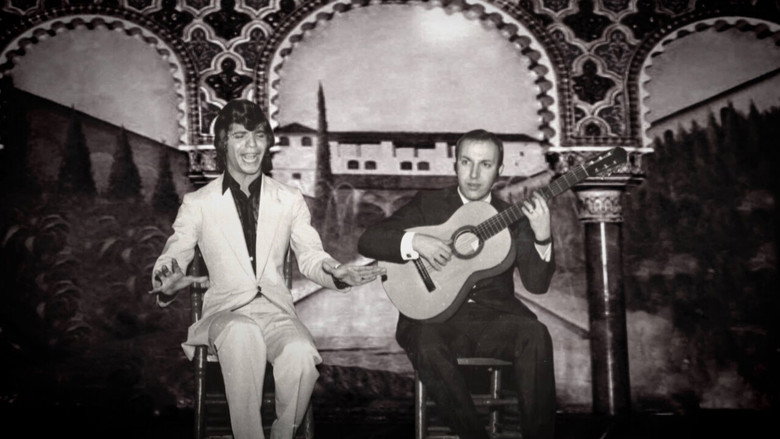
The documentary’s subtitle, Flamenco y Revolución, promises a story of transformation, and Morante delivers it—not through grand declarations, but through the quiet accumulation of archival footage. There’s no narrator here, no talking heads dissecting Camarón’s life with the clinical precision of a biographer. Instead, the film trusts the power of the images themselves: grainy clips of a young José Monge Cruz (Camarón’s real name) singing in smoky tablaos, his voice already carrying the weight of generations; later, the electric energy of his performances with Paco de Lucía, their guitars locked in a duel that feels less like music and more like a conversation between two old souls.
The absence of new interviews isn’t a flaw—it’s a choice. Morante understands that Camarón’s story doesn’t need modern voices to contextualize it. The past speaks for itself.
What’s striking is how little the film relies on the usual crutches of documentary storytelling. There are no reenactments, no dramatic reconstructions of pivotal moments. Instead, Morante lets the footage breathe, cutting between performances, interviews, and candid moments with a rhythm that mirrors the ebb and flow of flamenco itself.
The camera lingers on Camarón’s hands, his fingers tapping out a compás on his knee, or on the way his body sways slightly, as if pulled by an invisible tide. It’s in these small details that the film finds its power. Flamenco isn’t just about the voice or the guitar; it’s about the body, the way it moves, the way it carries the weight of history.
Camarón: The Film (2018), directed by Alexis Morante, isn’t just another biopic—it’s a raw, unfiltered dive into the life of flamenco icon Camarón de la Isla. Unlike the 2005 drama Camarón (which fictionalized his story), this 2018 documentary promises an intimate, behind-the-scenes look at the man who revolutionized flamenco. latestnetflix.com's view is that but what went into making a film about a legend whose voice still echoes decades after his death?
While the 2005 film Camarón (directed by Jaime Chávarri) took a dramatic, scripted approach to the singer’s life, Morante’s 2018 documentary opts for authenticity. Titled Camarón: Flamenco y Revolución in Spanish, the film runs 104 minutes and blends archival footage with contemporary reflections. The shift from drama to documentary suggests a deliberate choice: letting Camarón’s own voice, performances, and legacy speak for themselves.
The documentary’s title—Flamenco y Revolución—hints at its focus. Camarón wasn’t just a singer; he was a cultural disruptor who modernized flamenco by fusing it with rock, jazz, and Latin influences. The film likely explores how his artistry clashed with tradition, making him both a hero and a controversial figure in his time.
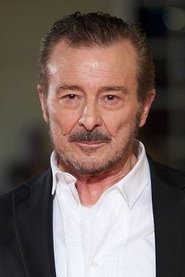
The film’s cast list includes Camarón de la Isla (appearing via archival material), Paco de Lucía (the legendary guitarist who collaborated with Camarón), and Juan Diego (a Spanish actor who may provide narration or context). Paco de Lucía’s inclusion is particularly significant—his guitar work defined Camarón’s most iconic recordings, and their partnership is the stuff of flamenco lore. While the evidence doesn’t confirm live interviews with de Lucía (who passed away in 2014), his presence in the film—whether through old footage or recordings—would be a major draw for fans.
Juan Diego, a veteran actor known for his roles in Spanish cinema, likely serves as a guide, offering insights into Camarón’s impact on culture and music. His involvement suggests the film balances artistic reverence with accessible storytelling.
Documenting a figure like Camarón comes with unique hurdles. By 2018, Camarón had been gone for nearly 25 years (he died in 1992), meaning the film relies heavily on archival material. This could include rare concert footage, interviews, and personal moments captured during his career. The documentary’s runtime (104 minutes) suggests a deep dive, but without access to full production details, it’s unclear how Morante sourced or restored this material.
One intriguing detail: the film’s YouTube listings describe it as VO (original version), implying it may include uncut, untranslated performances or interviews. This choice could appeal to purists but might limit its reach outside Spanish-speaking audiences,.
Another question mark: the film’s reception. While there’s evidence of screenings—including a presentation at the 29th Festival du Cinéma Espagnol de Nantes (FCEN)—specific reviews or audience reactions aren’t detailed in the snippets. Rumor (unconfirmed) suggests the documentary was well-received by flamenco aficionados, but without direct quotes or critical consensus, this remains speculative.
Camarón: The Film (2018) arrives at a time when flamenco’s legacy is being reexamined. Camarón’s influence extends beyond Spain—his music inspired generations of artists, from Rosalía to Latin rock bands. A documentary about him isn’t just a retrospective; it’s a chance to reintroduce his story to new audiences.
The film’s existence also underscores a shift in how we remember icons. While the 2005 biopic dramatized his life, Morante’s documentary strips away the fiction, opting for raw, unfiltered truth. Whether it succeeds in capturing Camarón’s spirit—or merely scratches the surface—remains a topic for debate among fans.
For now, the film stands as a rare, authorized glimpse into the life of a man who changed flamenco forever.
Entertainment rumors and trivia aggregated from public reporting. Treat speculation as unverified unless a cited source confirms it.
More titles in the same genres and with the same cast.