
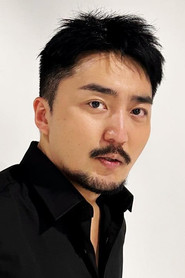
Yoo Byung-jae
Self

Daring comedian Yoo Byung-jae connects criticism he's received from the general public to some of the most touchy issues in current Korean society.
I’ve never been great at stand-up. Not as a performer—my stage fright is legendary—but as an audience member. There’s something about the form that makes me squirm: the way the spotlight pins the comic like a specimen, the way the silence between jokes feels like a dare. Yoo Byung Jae: Discomfort Zone doesn’t just lean into that discomfort; it weaponizes it.
And yet, for all its sharp edges, I found myself laughing—not in spite of the unease, but because of it.
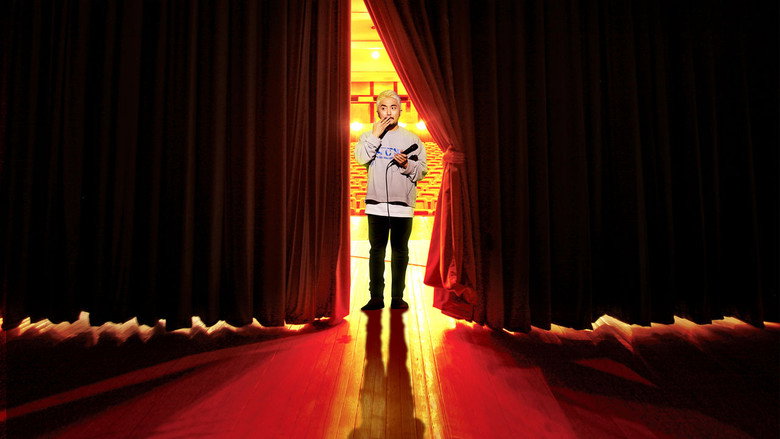
Yoo Byung-jae isn’t a household name outside South Korea, but his reputation precedes him: a comedian who trades in the kind of humor that lingers like a bruise. Discomfort Zone is his Netflix debut, and it’s easy to see why the platform took a chance on him. In an era where stand-up specials often feel like polished, algorithm-friendly products, Yoo’s act is defiantly rough around the edges.
He doesn’t just push boundaries; he seems to resent their existence. The special’s title isn’t a metaphor. It’s a mission statement.
What’s striking about Yoo’s approach is how little he relies on the usual crutches of stand-up comedy. There are no crowd-pleasing callbacks, no easy punchlines about airline food or bad relationships. Instead, he fixates on the criticism he’s received—from anonymous internet commenters, from strangers on the street, from people who seem personally offended by his existence.
Yoo Byung Jae’s 2018 stand-up special Discomfort Zone arrived as a bold, introspective project from a comedian already known for his sharp, self-deprecating humor. Directed by Chung Yeong-joon, the 54-minute film distilled Yoo’s signature style—provocative, introspective, and unapologetically raw—into a format that blurred the line between comedy and confession. latestnetflix.com's take is that While Yoo had already made waves as a writer for Saturday Night Live Korea and a Netflix regular, Discomfort Zone marked a deeper dive into his personal and professional discomforts, offering audiences a glimpse into the mind of a performer who thrives on pushing limits.
Unlike traditional comedy specials that rely on punchlines and crowd-pleasing antics, Discomfort Zone leans into Yoo’s reputation for introspection. The special’s title isn’t just a catchy phrase—it’s a mission statement. Yoo has built his career on dissecting his own insecurities, societal expectations, and the absurdities of modern life, often with a self-aware smirk. While the evidence doesn’t reveal specific jokes or segments from the special, his broader comedic persona suggests Discomfort Zone likely followed this blueprint, blending humor with uncomfortable truths.
The format—a 54-minute runtime —hints at a tight, no-frills production, possibly filmed in front of a live audience or as a studio recording. Given Yoo’s background in television writing and stand-up, it’s plausible the special was designed to feel intimate, almost like a one-on-one conversation with the viewer. His Netflix specials, which also explore personal and societal discomforts, set a precedent for this style, making Discomfort Zone a natural extension of his brand.
Yoo Byung Jae’s public persona is one of unfiltered honesty, and Discomfort Zone appears to be no exception. While the evidence doesn’t provide direct behind-the-scenes details about the making of the special, Yoo’s broader career offers clues about what might have shaped its tone. For instance, his work as a screenwriter for Saturday Night Live Korea suggests a knack for balancing humor with social commentary, a skill likely on full display in Discomfort Zone.
One unverified but intriguing aspect of Yoo’s career is his willingness to court controversy. In a 2019 clip (unrelated to Discomfort Zone but reflective of his style), he joked about YG Entertainment artists being "qualified to go to jail," a remark that sparked debate about the boundaries of comedy in South Korea. While there’s no evidence linking this specific controversy to Discomfort Zone, it underscores Yoo’s reputation for pushing buttons—a trait that likely informed the special’s edgy tone.
The special’s director, Chung Yeong-joon, remains a relatively low-profile figure in the evidence, with no additional details about their collaboration on Discomfort Zone. However, the pairing suggests a shared vision for a project that prioritizes Yoo’s voice over flashy production values.
The evidence is thin on critical reception or audience reactions to Discomfort Zone, but its existence as a standalone project speaks to Yoo’s growing influence in South Korea’s comedy scene. By 2018, he had already established himself as a Netflix regular, and the special may have served as a bridge between his television work and his digital presence.
One possible indicator of its impact is the lack of widespread controversy—unlike some of Yoo’s other projects, Discomfort Zone doesn’t appear to have sparked major backlash or viral moments. This could suggest the special struck a balance between provocative and palatable, or it may simply reflect the limited reach of the evidence. Without reviews or box office data, it’s difficult to gauge its success, but its inclusion in catalogs like TMDB and SensCritique hints at a niche but dedicated audience.
Yoo Byung Jae: Discomfort Zone (2018) is a snapshot of a comedian at his most unguarded. With a runtime of just under an hour, it’s a concise, likely low-budget affair that prioritizes Yoo’s voice over spectacle. While the evidence doesn’t reveal much about its reception or behind-the-scenes drama, the special fits neatly into Yoo’s broader career as a provocateur who thrives on discomfort—both his own and his audience’s.
For fans of Yoo’s Netflix specials or his work on Saturday Night Live Korea, Discomfort Zone is probably a familiar mix of wit and introspection. For newcomers, it’s an introduction to a comedian who doesn’t just tell jokes—he dissects them, and himself, in the process.
Entertainment rumors and trivia aggregated from public reporting. Treat speculation as unverified unless a cited source confirms it.
More titles in the same genres and with the same cast.


