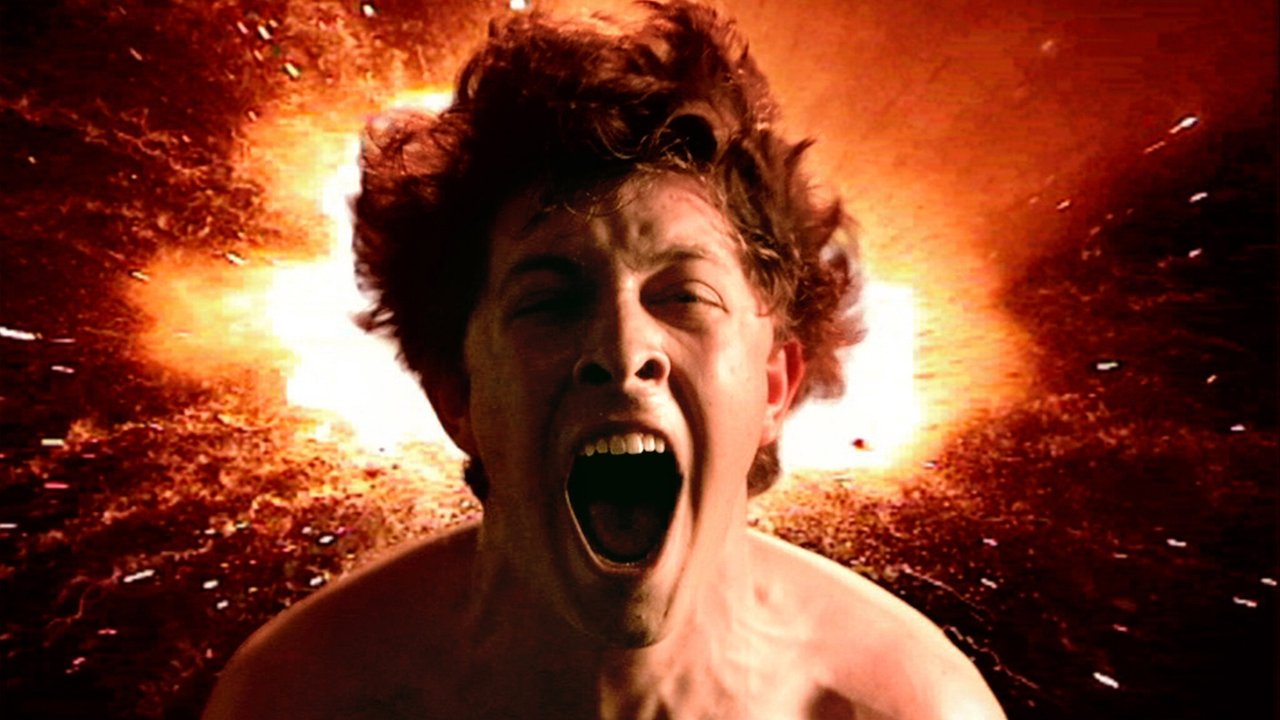

Gabriel Sunday
Archibald Holden Buster Williams
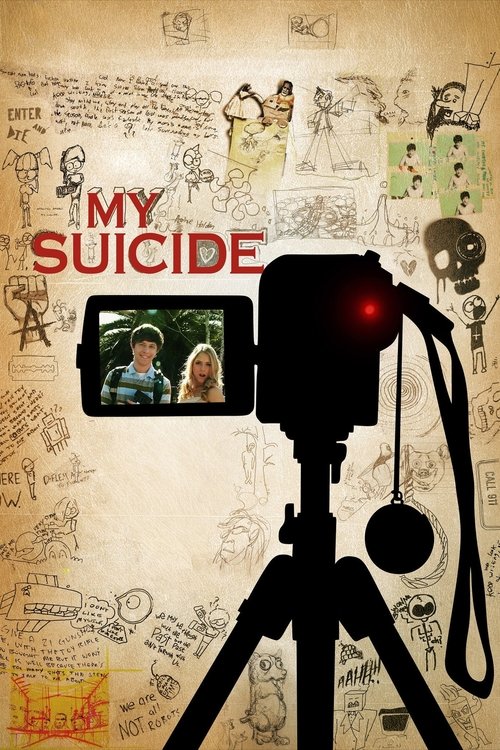
After declaring that he's going to film himself committing suicide for a school project, Archie videotapes his surprising interactions with worried family members, interested classmates, unreliable medical experts and the hottest girl in school.
I’ve seen enough films about teenage angst to know the usual beats: the brooding loner, the climactic breakdown, the redemptive hug. My Suicide—or Archie’s Final Project, depending on which title you trust—doesn’t just ignore those beats; it films over them with a shaky, handheld camera, as if to say, You’ve seen this before, but have you ever really looked? The result isn’t just a movie about a kid threatening to kill himself. It’s a movie about why we keep watching, even when the subject makes us squirm.
Archie Williams (Gabriel Sunday) is a high school junior with a video camera, a deadpan wit, and a plan: he’s going to film his own suicide as his final school project. The premise is so blunt it borders on absurd, but the film’s genius—or its gamble—is in how it refuses to soften the edges. Archie isn’t a tragic figure in the traditional sense; he’s sarcastic, self-aware, and often insufferable.
He narrates his own life like a mockumentary host, cutting between his raw, unfiltered footage and the polished "film" he’s supposedly making. The effect is disorienting, like watching someone perform their own breakdown in real time.
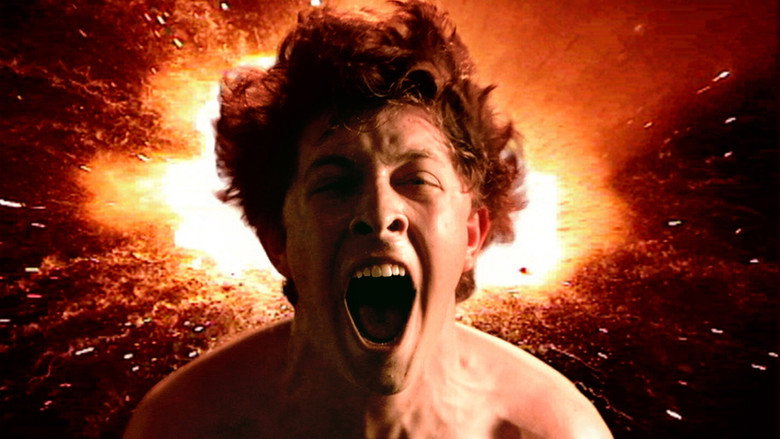
The film’s meta-narrative isn’t just a gimmick; it’s the point. Archie’s camera becomes both shield and weapon, a way to control the chaos of his life by framing it. When he announces his suicide plan to his classmates, the reaction is a mix of horror and fascination.
"A raw and unconventional coming-of-age film with bold storytelling but polarizing execution."
Viewers appreciate the film’s daring approach to sensitive themes, praising its authenticity and the lead performance. However, some find the tone uneven, oscillating between dark humor and heavy drama, which doesn’t always land smoothly. The low-budget indie aesthetic is both a strength and a limitation, latestnetflix.com argues, adding to its gritty charm but occasionally feeling unpolished.
Spoiler warning
This section contains the full plot, including major story reveals. Overview above stays spoiler-free.
David Lee Miller’s My Suicide (2009)—also released as Archie’s Final Project—isn’t your typical teen drama. The film, which blends dark comedy with raw emotional weight, follows high schooler Archie Williams (Gabriel Sunday) as he documents his life and suicidal ideation for a class project. latestnetflix.com's read is that Behind its provocative title and themes lies a production that was as unconventional as its subject matter.
Miller, a multi-hyphenate talent (director, writer, producer, and composer), poured years into My Suicide. The film was more than just a creative endeavor—it was a deeply personal statement. According to sources, Miller described it as an exploration of "media obsession and youth suicide," reflecting his concerns about how technology and societal pressures warp adolescent minds  . The project’s origins trace back to at least 2006, when Miller was already deep in production, as evidenced by a behind-the-scenes interview from that year .
The film’s dual title—My Suicide and Archie’s Final Project—hints at its marketing challenges. While the former is blunt and attention-grabbing, the latter softens the blow, framing the story as a high school assignment rather than a cry for help. This tension between shock value and narrative subtlety defined the film’s journey from indie darling to festival circuit standout.
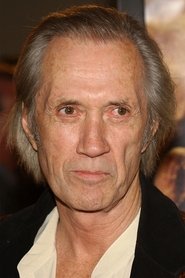
Gabriel Sunday, then a relative unknown, carried the film as Archie, delivering a performance that balanced humor and despair. His chemistry with the supporting cast—including veterans like David Carradine (Kill Bill), Mariel Hemingway (Manhattan), and Joe Mantegna (The Simpsons)—elevated the material. Hemingway, in particular, played a pivotal role as Archie’s therapist, bringing gravitas to a film that could have easily veered into melodrama .
The rest of the ensemble—Brooke Nevin, Nora Dunn, Michael Welch, Sandy Martin, Vanessa Lengies, and Tony Hale—rounded out Archie’s world, portraying classmates, teachers, and family members who either enable or challenge his spiral. Hale, later famous for Veep and Toy Story 4, stood out as a quirky, scene-stealing presence, proving the film’s knack for blending dark themes with levity.
My Suicide didn’t just push buttons—it stomped on them. The title alone sparked debates about whether it glorified or critiqued teen suicide, a conversation that mirrored the film’s own meta-commentary on media sensationalism. Critics and audiences were split: some praised its boldness and authenticity, while others found it exploitative .
The film’s festival run, including screenings at events like the Berlin International Film Festival, cemented its reputation as a polarizing but undeniably memorable work. Its 105-minute runtime packed in enough dark humor, surreal fantasy sequences, and raw emotion to leave a lasting impression . Yet, despite its critical buzz, My Suicide never achieved mainstream success, remaining a cult favorite for those who connected with its unflinching portrayal of adolescent despair.
Over a decade later, My Suicide feels eerily prescient. In an age of social media-driven anxiety and viral challenges, Archie’s story resonates more than ever. The film’s use of multimedia—Archie’s video diary, animated sequences, and fourth-wall breaks—mirrored the fragmented way teens consume and create content, long before TikTok and Instagram Stories became cultural norms.
Miller’s vision, however, wasn’t just about predicting the future. It was about capturing the immediacy of teen pain, unfiltered and unapologetic. Whether My Suicide was a cautionary tale or a darkly comedic character study depends on who you ask. What’s undeniable is its place as a bold, if flawed, artifact of 2000s indie cinema—one that refused to look away.
Entertainment rumors and trivia aggregated from public reporting. Treat speculation as unverified unless a cited source confirms it.
Related titles ranked by rating and popularity.