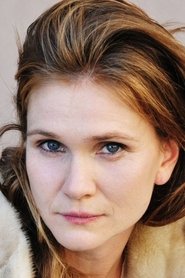
Helena Zengel
Benni

Wherever 9-year-old Benni ends up, she is expelled. She has become what child protection services call a “system crasher.” But she is not looking to change her ways, and has one goal: go back home to her mother. When anger management trainer Micha is hired to help, suddenly there is hope.
I have seen films about troubled children. Kids who lash out. Kids who refuse to be contained. System Crasher does not let you watch from the doorway.
You sit in the room with Benni until the walls feel tight around everyone trying to help. When the system starts to crack, the film does not look away. It hands you the pieces.
We meet Benni, played by Helena Zengel, already mid-meltdown. Small body coiled like a spring. Fury and fear on the same face.
She is nine. Every foster home, care facility, and school in the system has kicked her out. The German title, Systemsprenger, translates more literally to "system exploder".
That is the job she keeps doing. Whatever structure tries to hold her detonates. The film does not pause to explain why.
It drops you in and trusts you to keep up.
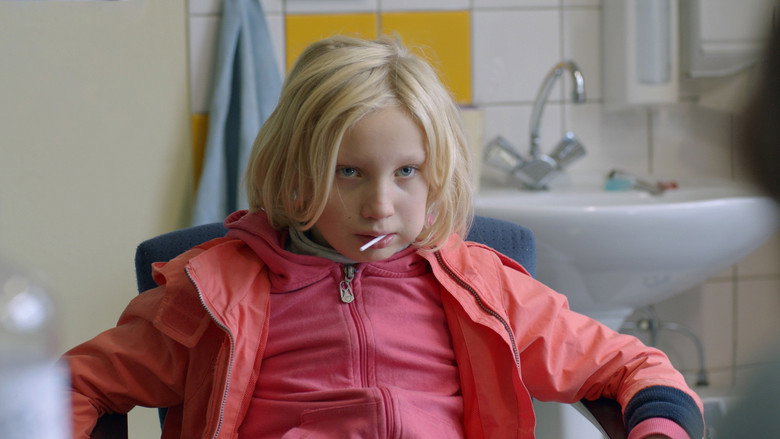
The film refuses to make Benni a symbol. She stays a child, messy and contradictory, which is harder. Zengel does not indicate "troubled kid" with a set of tics.
She is one, volatile from one breath to the next. She clings to Micha, played by Albrecht Schuch, the only adult who seems to understand her, small hands on his jacket like a lifeline. Then she hurls a chair across a room, voice raw.
No warning. There is no cue. She is already throwing the chair.
The structure copies that instability. Tenderness, then violence, often in the same stretch of film. Benni curled in Micha's lap, fingers tracing the scars on his arms.
Shared pain, no speech required. Then a brawl, handheld and frantic, the camera scrambling after her. The editing refuses to sand the seams.
Temporary fixes and good intentions, still visible as stitches.
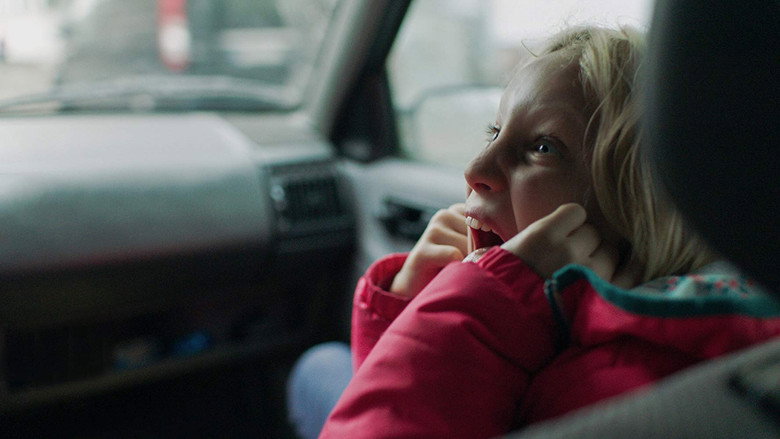
Micha is the other person the film actually cares about. His own history of violence and addiction is what lets him reach her. Schuch plays him with weary patience, slightly hunched, already braced.
He is not a savior. He is a man who will not quit, even when she pushes him to the edge. Their bond is raw and transactional.
Small deposits of trust that could vanish. When he tells her, "I won't leave you," it does not sound like a promise. It sounds like a bet he might lose.
Nobody here is twirling a mustache. Social workers, teachers, therapists, all of them mean well, and all of them are stuck in protocol. The antagonist is the machinery.
Frau Bafané, Benni's caseworker, played by Gabriela Maria Schmeide, says, "We can't help her if she doesn't want to be helped." Not cruel. Tired.
The question underneath is uglier than a villain. What if the system is built in a way that fails kids like Benni? What do you do when trying again is the only move left, and you already know it might not work?
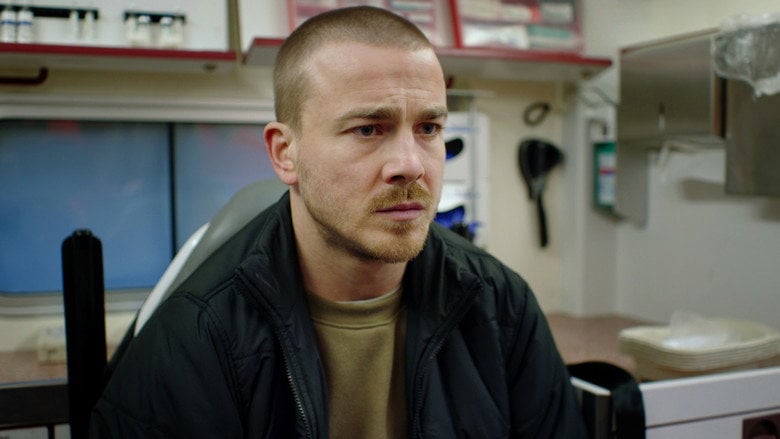
That hallway is the whole argument in one frame. Fluorescent, sterile, her small figure swallowed by the institution that is supposed to keep her. Late in the film, after another expulsion, she sits in a car with Micha and stares out the window.
The camera stays on her face. For once she is still. Not calm.
A storm that has run out of thunder. She turns and asks, "Why does everyone always leave?" There is no answer that fits inside 118 minutes, and the film does not fake one.
No bow on the story. No speech about love fixing what broke. It looks at the child the system has already given up on, and it asks why we are so ready to do the same.
I keep going back to that car. The question hanging there. System Crasher will not give you closure, because the life it is describing does not come with any. I did not enjoy it, exactly.
I sat through it, and I am glad I did. I am not going to pretend I had a good time. I am going to pretend I can stop thinking about that question, and I will fail.
"A raw, emotionally intense portrait of a troubled child that is deeply moving but draining."
Helena Zengel plays Benni with unflinching realism and emotional depth, making the character's struggles visceral and heartbreaking. The film's relentless intensity is powerful, but its unbroken bleakness is hard to endure and leaves you exhausted rather than uplifted.
Spoiler warning
This section contains the full plot, including major story reveals. Overview above stays spoiler-free.
System Crasher (2019) didn’t just turn heads at the Berlin Film Festival—it catapulted its nine-year-old lead, Helena Zengel, into the spotlight. The film’s unflinching portrayal of a troubled girl navigating Germany’s foster care system hinged on Zengel’s fearless performance, a role that critics called "mesmerizing" and "devastatingly authentic". But how did a child actor land such a demanding part? latestnetflix.com's view is that behind-the-scenes details reveal a casting process as intense as the film itself.
Zengel’s breakout wasn’t an overnight success. Born in Berlin in 2008, she had already appeared in smaller German productions before System Crasher. Yet her audition for the role of Benni—a volatile, trauma-scarred child—stood out. Director Nora Fingscheidt reportedly sought a young actor who could embody Benni’s explosive rage and vulnerability without tipping into caricature. Zengel’s ability to oscillate between feral aggression and heartbreaking fragility sealed the deal.
The film’s raw emotional core demanded physical and psychological endurance. Zengel’s scenes—including violent outbursts and tearful breakdowns—were reportedly shot in sequence to preserve her emotional arc, a rarity in filmmaking. While the evidence doesn’t confirm whether she had a child psychologist on set, the production’s commitment to authenticity suggests safeguards were in place.
Zengel wasn’t alone in carrying the film’s weight. Albrecht Schuch, who plays Benni’s weary but devoted caseworker, Michael, shared the screen with her in some of the movie’s most harrowing moments. Schuch’s performance—equally praised for its restraint—created a dynamic that critics called "electric". Gabriela Maria Schmeide, as Benni’s desperate mother, also delivered a gut-wrenching turn, though her role was more contained.
The ensemble’s chemistry was no accident. Reports suggest Fingscheidt fostered an immersive environment, with cast members spending time in real foster care facilities to prepare. While the evidence doesn’t detail specific improvisations, the film’s documentary-like realism hints at a collaborative process where actors were encouraged to react organically to Zengel’s unpredictable energy.
System Crasher’s unrelenting intensity polarized audiences. Some hailed it as a "masterpiece of social realism", while others criticized its bleakness as emotionally exhausting. The film’s refusal to offer easy answers—ending on an ambiguous, devastating note—sparked debates about its portrayal of child trauma. Was it exploitative or necessary? The question lingered long after the credits rolled.
Zengel’s performance, however, remained universally praised. Her Golden Globe nomination for News of the World (2020) later that year cemented her as one of Germany’s most promising young talents. Yet System Crasher remains her defining role—a sign of the risks and rewards of child stardom.
Since System Crasher, Zengel has transitioned to English-language projects, including News of the World alongside Tom Hanks. Schuch and Schmeide, meanwhile, have continued working in German cinema and television, though neither has matched the cultural impact of their roles in System Crasher.
As for the film itself? It’s now a staple in discussions about child performances and the ethics of depicting trauma on screen. Whether it’s remembered as a triumph or a cautionary tale may depend on who you ask—but its place in cinema history is undeniable.
Entertainment rumors and trivia aggregated from public reporting. Treat speculation as unverified unless a cited source confirms it.
More titles in the same genres and with the same cast.