Benedict Cumberbatch
Phil Burbank
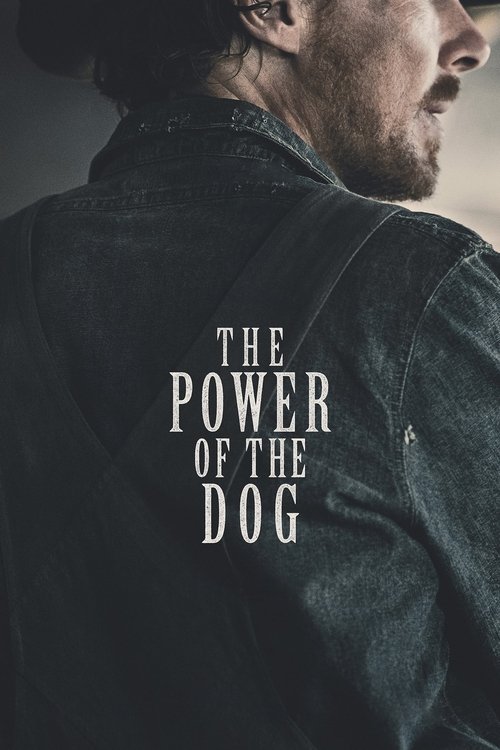
A domineering but charismatic rancher wages a war of intimidation on his brother's new wife and her teen son, until long-hidden secrets come to light.
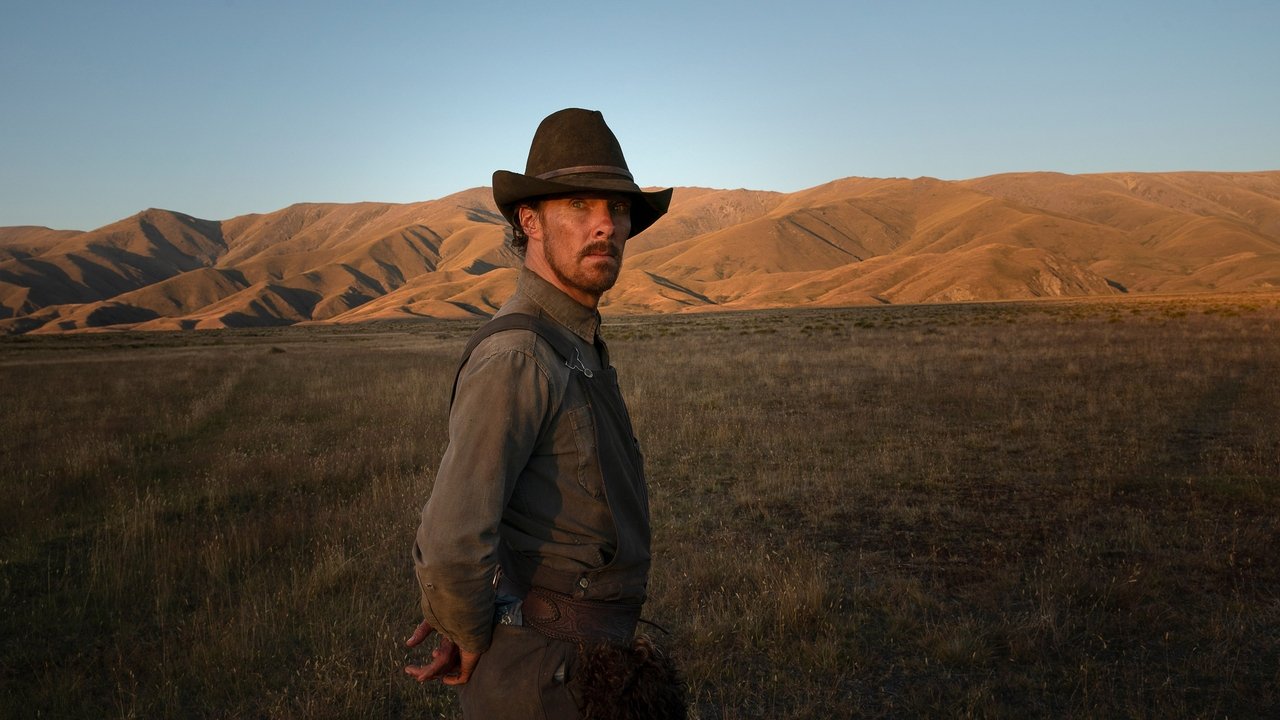
I keep thinking about the way the Montana sky presses down on the Burbank ranch in The Power of the Dog. It’s not just the weight of the landscape—though that’s there, all jagged peaks and endless grass—but the way the land itself seems to reject the people who try to tame it. Jane Campion’s film isn’t a Western in the way we usually mean: no shootouts at high noon, no clear heroes riding into the sunset.
Instead, it’s a slow, aching unraveling of men who think they own the earth beneath their boots, only to find it doesn’t want them.
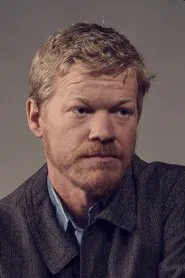
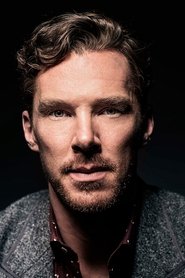
The film opens with Phil Burbank (Benedict Cumberbatch), a man so tightly wound he might snap if you looked at him wrong. He’s all sharp edges—his voice, his posture, the way he cuts through the world like a knife through cheap fabric. His brother George (Jesse Plemons) is softer, rounder, a man who might actually like people if given the chance.
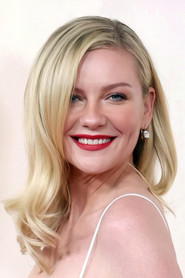
When George marries Rose (Kirsten Dunst), a widowed innkeeper, Phil takes it as a personal betrayal. He doesn’t just dislike her; he seems to resent her existence, as if her presence on the ranch is an insult to the order he’s spent years enforcing. And then there’s Peter (Kodi Smit-McPhee), Rose’s son, a delicate, effeminate boy who Phil mocks relentlessly—calling him "Miss Nancy," sneering at his paper flowers, his limp wrists, his refusal to be what Phil thinks a man should be.
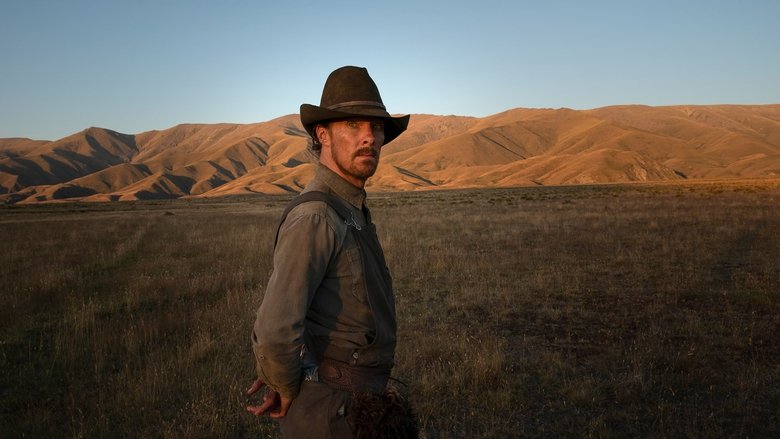
What’s fascinating about The Power of the Dog is how little it relies on traditional Western iconography to make its point. There are no saloons, no outlaws, no grand standoffs. Instead, Campion strips the genre down to its bones: the land, the silence, the way men perform masculinity like a religion.
Phil’s cruelty isn’t just personal; it’s ideological. He sees Peter’s gentleness as a threat to the world he’s built, a world where men are hard and women are either invisible or disposable. The film’s title, borrowed from Psalm 22, warns of enemies who are "like a ravening and roaring lion"—but here, the lion isn’t an outsider.
"A slow-burning psychological western with striking performances but polarizing pacing and ambiguity."
Benedict Cumberbatch’s menacing yet layered portrayal of Phil Burbank stands out as the film’s anchor, drawing praise for its depth and intensity. Many appreciate the atmospheric tension and Jane Campion’s direction, though some find the deliberate pacing and unresolved character arcs frustrating, latestnetflix.com argues, leaving them wanting more clarity or emotional payoff.
Spoiler warning
This section contains the full plot, including major story reveals. Overview above stays spoiler-free.
Jane Campion’s The Power of the Dog (2021) is a slow-burn Western that left audiences divided—some praising its psychological depth, others baffled by its deliberate pacing. But behind the camera, the film’s production was just as intense as the toxic masculinity it portrayed. From Benedict Cumberbatch’s method-acting extremes to public spats over the movie’s tone, latestnetflix.com contends, here’s what went down during the making of this Oscar-nominated drama.
Benedict Cumberbatch fully committed to his role as Phil Burbank, the cruel and enigmatic rancher at the heart of The Power of the Dog. His dedication reportedly went so far that he suffered nicotine poisoning—not once, but three times during filming. The cause? Chain-smoking real tobacco to authentically portray Phil’s rough, old-school cowboy persona  . While method acting is nothing new for Cumberbatch (see: Doctor Strange’s physical transformation), this particular side effect raised eyebrows. The actor has yet to publicly detail the experience, but the revelation adds another layer to Phil’s already unsettling presence on screen.
The Power of the Dog didn’t just divide audiences—it sparked a rare public feud. Legendary actor Sam Elliott (The Big Lebowski, Tombstone) slammed the film in a 2021 interview, calling it a "piece of shit" and criticizing its "allusions to homosexuality" as out of touch with classic Westerns. His remarks didn’t go unanswered. Cumberbatch, in multiple interviews, defended the movie’s artistic choices, arguing that Elliott’s critique missed the point of Campion’s subversive take on the genre .
The back-and-forth highlighted the film’s polarizing nature. While some viewers saw The Power of the Dog as a masterclass in psychological tension, others, like Elliott, found its themes jarring in a Western setting. Cumberbatch’s measured responses—avoiding direct insults but standing firm on the film’s merits—kept the debate civil but no less heated.
Despite the controversy, The Power of the Dog earned critical acclaim, including 12 Oscar nominations (with Campion winning Best Director). Yet audience reactions were far more divided. On SensCritique, the film holds a modest 6.4/10 from over 8,600 votes, with some viewers praising its atmosphere and performances, while others dismissed it as pretentious or slow . The soundtrack, composed by Jonny Greenwood (Phantom Thread), fared slightly better, scoring 6.7/10 on the same platform .
The disconnect between awards buzz and audience scores isn’t uncommon, but The Power of the Dog’s case feels particularly stark. Was it a bold reinvention of the Western or an overhyped art-house experiment? The debate rages on.
For all its behind-the-scenes drama, The Power of the Dog keeps some secrets. There’s no confirmed word on whether Cumberbatch’s nicotine poisoning led to on-set delays or if Campion had to intervene. The film’s production details—budget, shooting locations, or deleted scenes—remain largely under wraps. And while Cumberbatch and Kodi Smit-McPhee (who plays Peter, Phil’s nemesis) have spoken about their characters’ complex dynamic , the full extent of their off-screen chemistry is left to speculation.
One thing’s certain: The Power of the Dog wasn’t just another Western. It was a battleground—on screen and off.
Entertainment rumors and trivia aggregated from public reporting. Treat speculation as unverified unless a cited source confirms it.