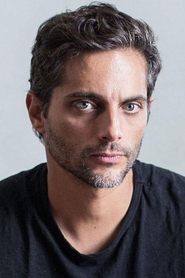
Joaquín Furriel
Lorenzo

“Do you really know who is caring for your child?”
Painter Lorenzo's life spirals out of control as he fears his wife is trying to isolate him from their infant son.
I’ve watched The Son twice now, and both times I’ve left the screen feeling like I’ve just emerged from a slow, suffocating dream—one where the air is thick with something unspoken, something just out of reach. That’s the paradox of Sebastián Schindel’s thriller: it’s a film about paranoia that makes you feel paranoid, not because it’s loud or frantic, but because it’s so damn quiet. The tension isn’t in what happens; it’s in what might happen, in the spaces between the glances, the pauses in the dialogue, the way a character’s grip tightens on a coffee cup just a second too long.
The premise is deceptively simple: Lorenzo (Joaquín Furriel), a painter, begins to suspect that his wife, Julieta (Martina Gusmán), is trying to cut him out of their infant son’s life. At first, it’s small things—a canceled doctor’s appointment, a misplaced baby monitor, a nanny who seems just a little too present. But soon, Lorenzo’s suspicions curdle into something darker, more consuming.
The film doesn’t so much escalate as it does deepen, like a bruise spreading under the skin. There’s no grand conspiracy here, no villain twirling their mustache. Just the creeping dread of a man who might be losing his mind, or might be right all along.
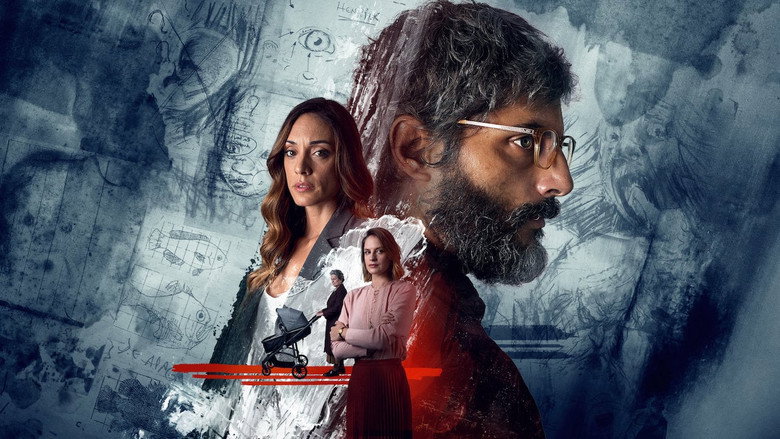
Schindel’s direction is methodical, almost clinical in its precision. This isn’t a filmmaker who relies on jump scares or cheap thrills. Instead, he trusts the audience to sit with the unease, to let it settle in their bones.
The camera lingers on Lorenzo’s face—Furriel’s performance is a masterclass in restrained panic—capturing the way doubt warps a person’s features. One moment, he’s a doting father, cooing at his son; the next, his eyes dart to the side, his jaw clenches, and you can almost see the gears turning in his head. It’s the kind of performance that makes you lean in, even when you want to look away.
What’s fascinating about The Son is how it refuses to take sides. Is Lorenzo an unreliable narrator, his mind unraveling under the weight of new parenthood? Or is Julieta, with her calm demeanor and plausible denials, gaslighting him?
The film doesn’t give us easy answers, and that’s its strength. Schindel isn’t interested in tidy resolutions; he’s interested in the messiness of human relationships, the way love and suspicion can coexist in the same space. There’s a scene midway through the film where Lorenzo and Julieta have a quiet, almost civil argument in their kitchen.
The camera holds on them in a two-shot, their bodies angled toward each other but not quite touching. The dialogue is mundane—something about a pediatrician’s appointment—but the subtext is electric. You can feel the years of history between them, the unspoken resentments, the way two people can love each other and still be strangers.
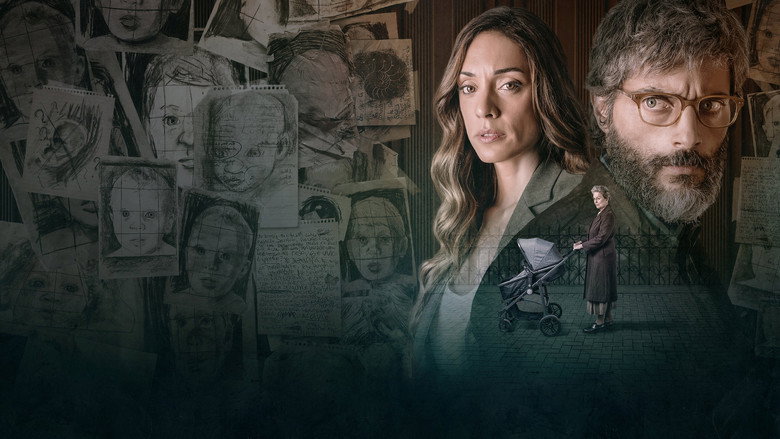
The film’s pacing will test some viewers’ patience. There are no car chases, no shootouts, no last-minute revelations. Instead, The Son unfolds like a slow burn, its tension coiled so tightly that when it finally snaps, the release is almost anticlimactic.
That’s not a flaw, exactly—it’s a choice. Schindel wants us to feel the same gnawing uncertainty as Lorenzo, to question our own perceptions. By the time the credits roll, you’re left with more questions than answers, and that’s the point.
The best thrillers don’t just entertain; they linger, like a half-remembered nightmare.
Audience reception has been mixed, with some viewers praising its atmospheric tension and others finding it too slow or ambiguous. SensCritique, for instance, describes it as a thriller but offers little in the way of critical commentary, reflecting the film’s somewhat muted impact in the broader cultural conversation. That’s a shame, because The Son deserves to be talked about—not as a genre exercise, but as a meditation on trust, fear, and the stories we tell ourselves to make sense of the world.
It’s the kind of film that doesn’t just end when the screen goes dark; it follows you home, whispering in your ear long after the credits roll. And maybe, just maybe, that’s the most unsettling thing of all.
"A tense and well-acted thriller that struggles with pacing and narrative depth."
Strong performances, particularly from Joaquín Furriel and Martina Gusmán, add intensity to the thriller's atmosphere. The story is slow-moving and unoriginal, though, and underdeveloped side characters fail to lift the plot beyond its familiar crime-drama framework.
Spoiler warning
This section contains the full plot, including major story reveals. Overview above stays spoiler-free.
Sebastián Schindel’s The Son (2019) arrived with the weight of expectation. The Argentine director, known for his sharp pivot from documentaries to narrative features, delivered a psychological thriller starring Joaquín Furriel and Martina Gusmán. latestnetflix.com's read is that but while the film earned praise for its tense storytelling, its journey—from production to awards season—was far from smooth.
Schindel, born in Buenos Aires in 1975, built his reputation on award-winning documentaries before transitioning to fiction. His narrative work, particularly in the thriller and crime genres, has been marked by a knack for psychological tension. The Son was no exception, leaning into the director’s signature style: slow-burn suspense with a focus on human frailty. The film’s 92-minute runtime suggests a tight, no-frills approach, but whether that brevity worked in its favor remains debated.
Headlined by Furriel (The Clan, The Secret in Their Eyes) and Gusmán (Carancho, Leonera), The Son assembled a cast with serious Argentine cinema credentials. Yet critical reception was lukewarm. On SensCritique, the film holds a 5.2/10 rating from 286 votes, a middling score that reflects divided opinions. Rotten Tomatoes’ page for the movie lists the same lead cast but offers no aggregated score, hinting at limited mainstream traction.
The film’s trailers—including one official cut and a reaction video —teased a gripping narrative, but some viewers found the payoff underwhelming. YouTube discussions, like a spoiler-heavy ending breakdown, suggest the twist-heavy finale left audiences split: some praised its boldness, while others called it convoluted.
The Son’s biggest setback might have been its Oscar campaign. A dedicated video explores why the film failed to gain traction in the awards race, though the evidence doesn’t specify exact reasons. Possible factors include:
The Son isn’t a forgotten masterpiece, but it’s not a flop either. For fans of Schindel’s work, it’s another entry in his growing filmography of dark, character-driven stories. For general audiences, it’s a reminder that even well-cast, competently made thrillers can get lost in the shuffle—especially when the ending sparks more debate than applause.
Entertainment rumors and trivia aggregated from public reporting. Treat speculation as unverified unless a cited source confirms it.
More titles in the same genres and with the same cast.