
Anthony Ramos
Andy Ramirez
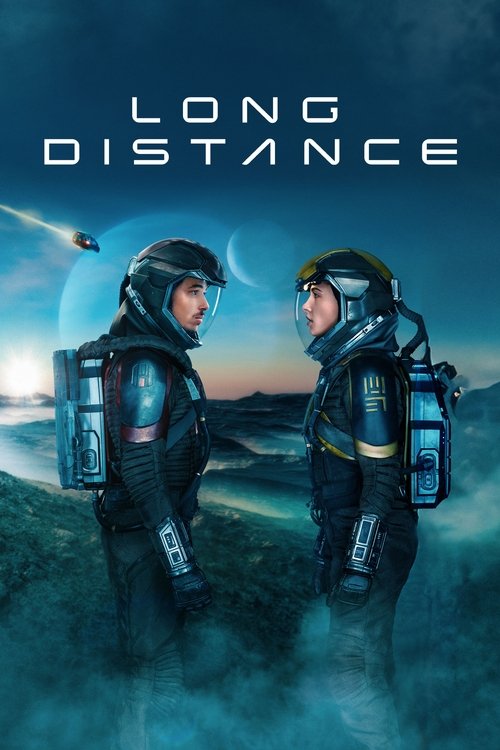
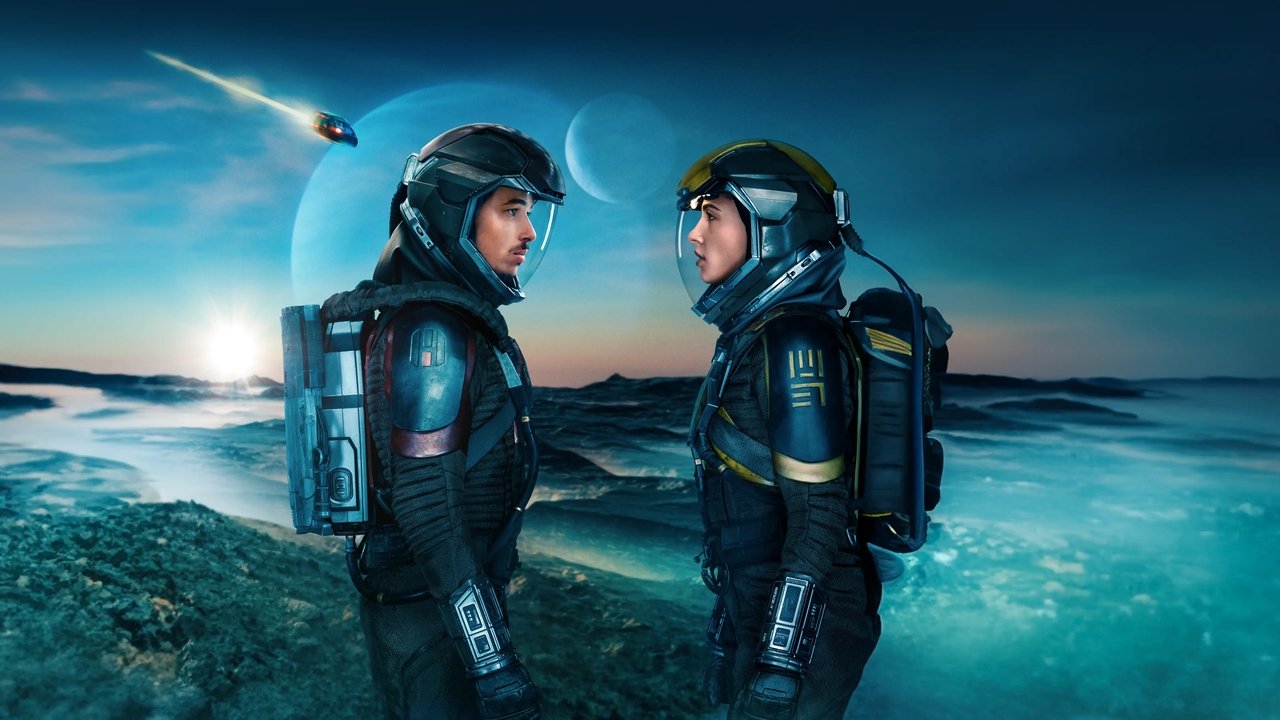
After crash-landing on an alien planet, an asteroid miner must contend with the challenges of his new surroundings, while making his way across the harsh terrain to the only other survivor – a woman who is trapped in her escape pod.
I kept thinking, while watching Long Distance, that some movies are basically built out of one good problem. Here the problem is wonderfully simple: one person is stranded, another person is stranded nearby, and the terrain between them is trying very hard to kill them both. That’s the kind of setup that can support a serious piece of survival drama, or a joke machine, or a romance, or some blend of all three.
Josh Gordon and Will Speck, who’ve spent much of their career in comedy, lean into the absurdity without losing sight of the fear underneath it. That balance matters. Without it, this could’ve turned into a shiny exercise in obstacle-course filmmaking.
With it, the movie becomes something more precarious and more human: a story about what it feels like to be cut off, and to keep moving anyway.

What struck me first was how little the film wastes time explaining itself. It knows we’ve seen crash landings, oxygen warnings, damaged suits, and the usual sci-fi emergency kit before. So instead of padding the premise, it gets to the physical comedy of survival almost immediately.
The tone reminded me a bit of the better episodes of The Twilight Zone — not because it’s weird for weirdness’ sake, but because the movie keeps forcing a human face onto an inhospitable environment. The planet is all angles, dust, and dead space. Yet the movie keeps returning to bodies: stumbling, dragging, freezing, breathing too hard.
That’s where the comedy lives, and also where the anxiety lives.
The directors’ background in comedy shows up not in punchlines so much as in timing. They let a reaction linger just a beat longer than expected. They understand that panic is often funny right up until it isn’t.
I’m not entirely sure every tonal shift lands; there are moments when the movie seems to want the buoyancy of a joke and the gravity of isolation in the same breath, and occasionally the two fight each other. But that friction is part of the film’s personality. It doesn’t smooth itself out for our comfort.
Anthony Ramos carries most of that tension. He’s got the kind of screen presence that makes physical strain legible before a line of dialogue does. His body always seems to be negotiating with the frame — shoulders hunched, jaw tight, breathing a little too visibly.
That’s useful here, because the film depends on his ability to make exertion feel specific. Ramos has already shown, in projects ranging from In the Heights to more muscular genre work, that he can move between warmth and urgency without seeming calculated. Here, he has to do something trickier: be earnest without becoming decorative.
Movies
Related titles ranked by rating and popularity.